
$179 Billion in Remittances Hang in the Balance as Geopolitical Risk Rises in the Gulf
$179 billion. That’s the total value of remittances sent from Gulf Cooperation Council (GCC) countries – including the United Arab Emirates – in 2023, according to World Bank data. While headlines focus on escalating tensions between Iran and Israel, a less-reported consequence is the potential disruption to this massive flow of capital, primarily supporting families in South Asian nations like Pakistan and India. The story of Muzaffar Ali Ghulam, a 27-year-old Pakistani driver in Dubai, illustrates a critical vulnerability: the economic lifeline of millions rests on the perceived stability of a region now demonstrably at risk. His case isn’t isolated; it’s a microcosm of a financial system built on the labor and remittances of a transient workforce.
The Cost of Staying Put: Limited Options for Migrant Workers
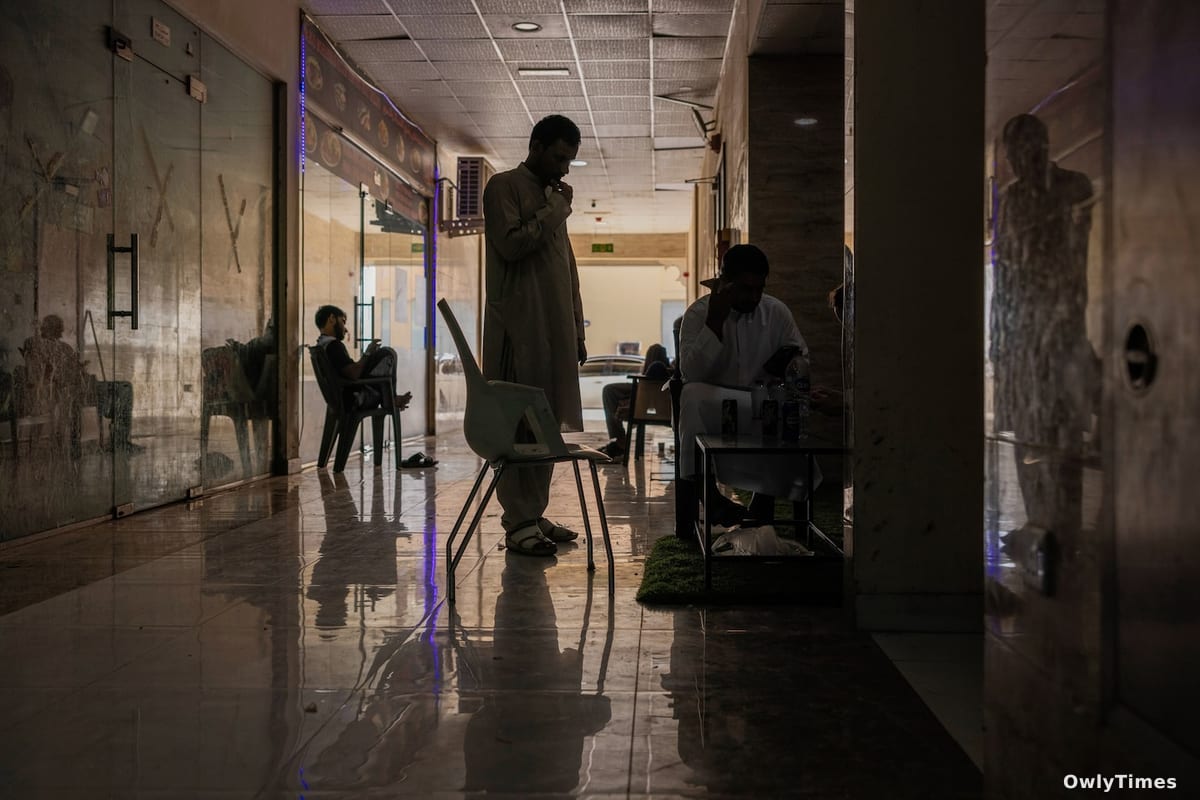
Ghulam arrived in Dubai four years ago, driven by the promise of income to build a home for his wife and three children in Pakistan. He worked 12-hour days, channeling the majority of his earnings back home – a pattern mirrored by hundreds of thousands of migrant workers. This isn’t discretionary spending; it’s often essential for basic needs. The fact that Masood, Ghulam’s cousin, stated there was “no discussion of fleeing Dubai” isn’t a testament to unwavering courage, but a stark acknowledgement of economic reality. Evacuation is prohibitively expensive for most, effectively trapping them in a potentially dangerous situation. Consider that the average annual salary for a driver in Dubai is approximately $18,000; a one-way ticket for a family of five to Pakistan could easily consume a significant portion of that, leaving little to rebuild with.
Based on the original The Washington Post report.
Beyond Individual Stories: Macroeconomic Implications of Perceived Instability
The immediate impact of Iranian missile and drone attacks a month ago wasn’t mass exodus, but a subtle shift in remittance patterns. While official data lags, anecdotal evidence from money transfer services like Western Union and MoneyGram suggests a slight uptick in transfers out of the UAE in the weeks following the attacks, though not enough to register as a significant statistical anomaly. However, the more concerning trend is the potential for a sustained decrease in future remittances if the perception of risk continues to rise. A 5% reduction in GCC remittances – a conservative estimate given the current volatility – would equate to roughly $9 billion less flowing into recipient countries. Pakistan, receiving approximately $13 billion in remittances annually (roughly 9% of its GDP), would be disproportionately affected. India, the largest recipient at $125 billion, would also feel the pinch, though to a lesser degree due to its larger, more diversified economy.
The Insurance Premium on Regional Security: Rising Labor Costs
The situation highlights a hidden cost of geopolitical instability: increased labor costs. Employers in the GCC are already factoring in a “risk premium” when recruiting from South Asia and other vulnerable regions. This translates to demands for higher wages, potentially offsetting the benefits of working abroad for migrants like Ghulam. Furthermore, insurance premiums for workers are likely to increase, further eroding disposable income. This dynamic creates a perverse incentive: the very act of seeking economic opportunity abroad is becoming more expensive and less secure. The UAE’s economy, heavily reliant on a foreign workforce comprising over 88% of the population, is particularly exposed. A sustained outflow of labor, or a significant reduction in remittance flows, could slow economic growth and impact key sectors like construction and hospitality.
What This Means for Your Wallet: The Ripple Effect on Global Markets
The story of Muzaffar Ali Ghulam isn’t just about one family’s financial security; it’s a leading indicator of broader economic vulnerabilities. Watch for a sustained increase in remittance transfer volumes combined with a decrease in the average transfer amount. This would signal that workers are sending smaller sums more frequently, likely driven by fear and uncertainty. Investors should monitor the performance of Pakistani and Indian financial markets, particularly those sensitive to remittance inflows. A significant decline in these markets could foreshadow a broader economic slowdown in the region. For consumers globally, the potential disruption to supply chains reliant on South Asian labor – particularly in textiles and agriculture – could lead to modest price increases. The question now isn’t if geopolitical risk will impact remittance flows, but when and by how much.