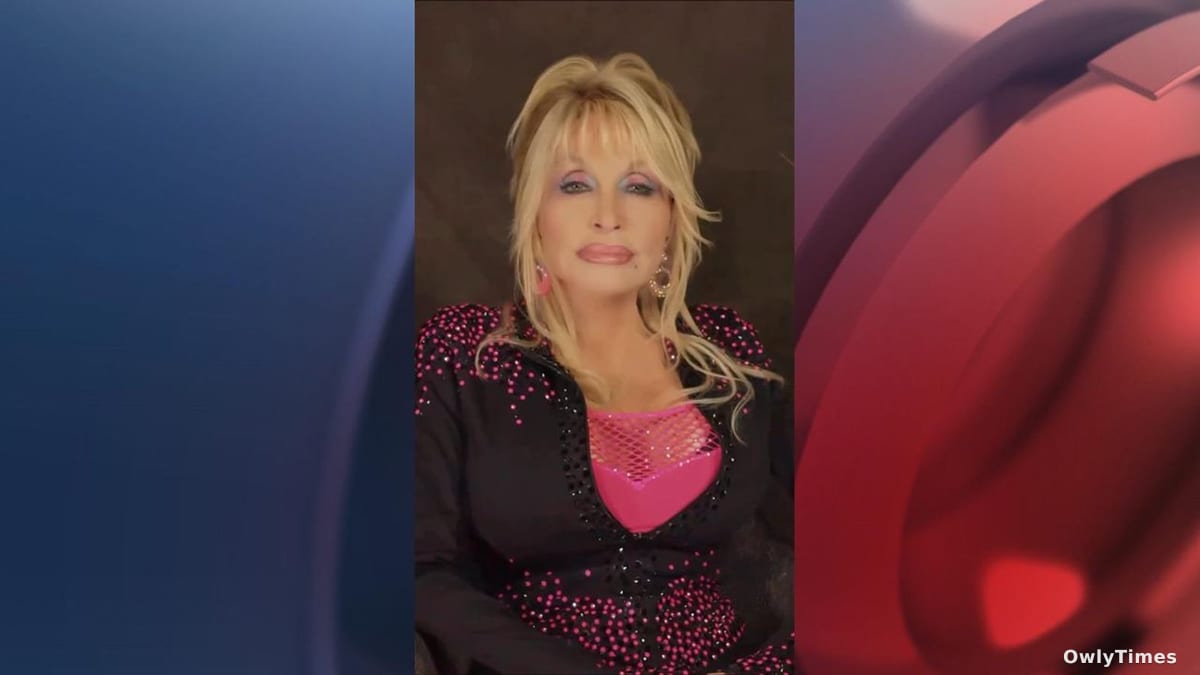

When we consider the human body as a complex, high-performance system, the necessity of maintenance often arrives at odds with the demands of a high-profile career. For Dolly Parton, the decision to step back from her highly anticipated Las Vegas residency represents a conscious prioritization of physiological recovery over professional momentum. On Monday, May 4, 2026, the artist utilized her social media platforms to communicate that she is canceling the concert series originally slated to begin in the fall.
Understanding the Clinical Context of Recovery
The medical reality behind this decision involves ongoing challenges with kidney stones, a condition that frequently causes significant systemic disruption. While the term "kidney stones" is common in medical parlance, the secondary symptoms—specifically the dizziness reported by Parton—are what complicate the physical rigors of a live stage production. Dizziness, or vertigo, can be a byproduct of the pain response, dehydration, or electrolyte imbalances associated with renal issues.
What the public narrative may overlook is that Parton’s medical team has explicitly classified these issues as "treatable." In clinical practice, the distinction between a manageable condition and a permanent impairment is vital. Her own framing of her health as an "old classic car that, once restored, can be better than ever" aligns with the restorative nature of modern urological and supportive care. The goal here is not merely the alleviation of immediate discomfort, but the restoration of the physiological stability required to perform at her established standard.
Balancing Personal Grief and Professional Obligations
Parton’s announcement also touched upon the profound emotional weight she has carried since the death of her husband, Carl Dean, in March 2025. In the context of health and longevity, the physiological impact of bereavement is well-documented in medical literature as a stressor that can exacerbate existing vulnerabilities. By openly acknowledging the support she received during that period, Parton highlights the interconnectedness of mental well-being and physical recovery.
It is important to note that this cancellation does not equate to a cessation of her professional life. She remains actively involved in her ongoing business ventures, including the management of the Dollywood theme park and the development of an upcoming Broadway musical centered on her life story. This suggests that her recovery plan is targeted specifically at the high-intensity demands of touring and residency performances, rather than a full retirement from her creative work.
Limitations to Consider
While the prognosis for recovery is described as positive, the path to returning to a stage remains variable. Medical science reminds us that "treatable" does not always equate to "immediate." Recovery timelines for recurrent renal issues can be unpredictable, depending on how the body responds to non-invasive interventions or the potential need for surgical lithotripsy.
The public should interpret the cancellation as a measured, cautious approach to long-term health. The absence of a specific timeline for a future return to the stage suggests that the singer and her medical team are prioritizing a full resolution of symptoms over the pressure of a fixed calendar.
Next Steps in the Recovery Trajectory
As Parton continues her healing process, the medical indicators to watch remain the resolution of the persistent dizziness and the successful management of her renal health. The next signal regarding her return to major live performances will likely be defined by these clinical milestones. Rather than speculating on dates, the focus remains on the measurable improvement of her daily physical stability, a standard she has set for herself as she works toward her eventual return.





