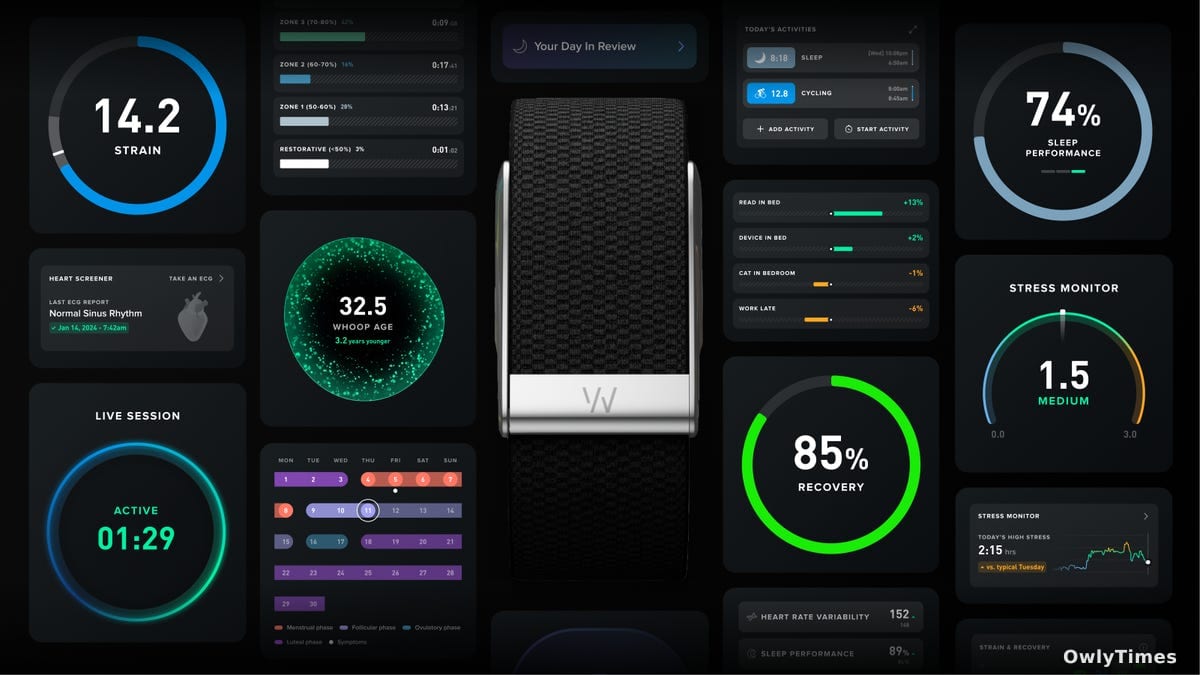

Can a wearable device truly understand the context of a human life, or is it merely tracking the biological echoes of our daily choices? For years, the Whoop 5.0 has functioned as a screenless observatory, passively collecting metrics on sleep, physical activity, recovery, and stress. While these data points provide a granular view of physiological performance, they have historically lacked the "why" behind the numbers. The company’s announcement on Friday suggests a shift from passive observation to active intervention, aiming to bridge the gap between abstract heart rate variability and the lived experience of its users.
Integrating Life Circumstances Into Algorithmic Coaching
The core of this evolution lies in the new artificial intelligence features, specifically My Memory and Proactive Check-Ins. In current fitness tracking models, an algorithm might penalize a user for a poor recovery score without knowing that the user was awake all night caring for a newborn. My Memory aims to rectify this by allowing users to input specific life events that influence their daily capacity. By manually adjusting goals and sharing personal context, the user provides the AI with the necessary constraints to refine its coaching insights, theoretically making recommendations more realistic and less frustrating.
Proactive Check-Ins take this a step further by pivoting the AI’s role from retrospective analysis to prospective planning. By utilizing data about upcoming events—such as travel—the system intends to suggest tailored adjustments to sleep schedules or training intensity. While these features promise a more personalized experience, they rely heavily on the accuracy of user-provided information. The effectiveness of this AI will be measured by its ability to synthesize these subjective inputs with objective biometric data to produce actionable, rather than merely observational, advice.
The Shift Toward Clinical Integration
Perhaps the most significant departure from the standard wearable model is the planned inclusion of on-demand medical consultations. Starting this summer, US members will gain access to video sessions with licensed doctors who can view the data collected by the device alongside personal medical history and bloodwork results. This integration is supported by a partnership with HealthEx, a digital database designed to centralize electronic health records. By moving the device from a self-improvement tool into the clinical sphere, Whoop is attempting to position itself as a diagnostic aid rather than just a fitness tracker.
However, this transition introduces complex questions regarding data sovereignty and medical privacy. While HealthEx provides a mechanism for users to edit or revoke access to their records, the centralization of sensitive health data within a fitness ecosystem remains a significant hurdle for consumer trust. The company has yet to detail the specific security protocols intended to insulate these medical records from the broader data analytics engine that powers the device’s AI.
Navigating Accuracy and Automation
Beyond the clinical and AI-driven updates, the company is also refining the hardware's baseline functionality. The introduction of a workout auto-detection mode and a dedicated Strength Trainer feature—designed to track personal bests—reflects a focus on reducing the friction of manual logging. These updates, combined with a promised increase in the accuracy of the heart rate tracker, are intended to ensure that the data fed into the AI is as precise as possible. The updated journal feature, which now supports both text and voice input for tracking supplements and behavioral changes, will serve as the primary laboratory for the AI to identify which habits correlate with improved recovery.
The success of these initiatives will depend on how the system manages the signal-to-noise ratio in its data. As the device begins to ingest more qualitative data through journals and AI check-ins, the next reading of the system's "coaching accuracy"—defined by how often users follow and benefit from the AI’s adjusted recovery suggestions—will show whether this move toward contextual intelligence creates genuine value or simply adds another layer of data-entry burden for the user.





