
The Complex Interplay of Grief, Performance, and Public Image
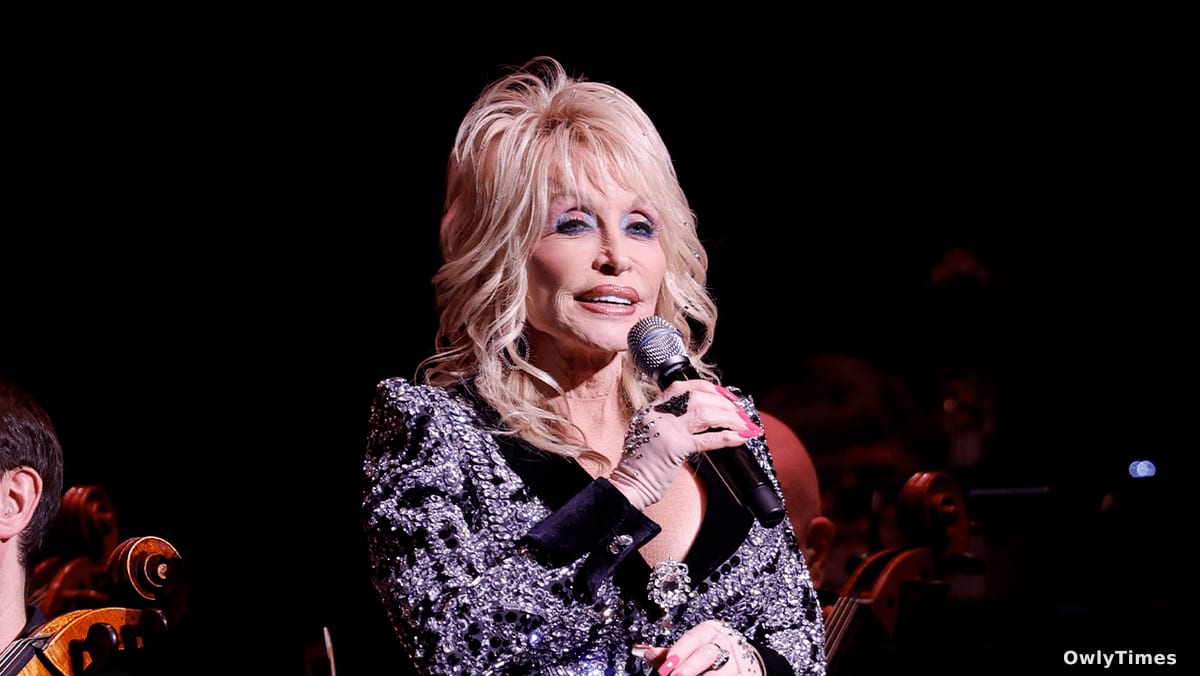
The recent public appearance of Dolly Parton at the Dollywood 2026 season kickoff isn’t simply a celebrity sighting; it’s a carefully calibrated moment revealing the often-invisible toll that profound personal loss takes, even on figures seemingly built of unwavering resilience. While headlines focus on her declaration that “all is good,” a closer look at Parton’s statements, coupled with her recent pattern of public cancellations, suggests a more nuanced reality – one where maintaining a public persona requires active rebuilding after significant emotional and physical strain. The narrative isn’t just about a return to health, but about the deliberate strategies employed to navigate grief while upholding the expectations of a devoted fanbase and a demanding career.
Original reporting: The Hollywood Reporter.
Beyond “Health Issues”: Quantifying the Impact of Loss
Parton directly linked her postponed Las Vegas residency and subsequent absences – including missing the Film Academy’s Governors Awards in November and her 80th birthday celebration at the Grand Ole Opry in January – to “a few little health issues” compounded by grief over the death of her husband, Carl Dean, in May. This framing is crucial. The term “health issues” is deliberately vague, and the entertainment industry is notoriously protective of artists’ privacy regarding personal struggles. However, Parton’s specific attribution of these issues to grief is significant. Research in psychoneuroimmunology demonstrates a clear correlation between prolonged grief and weakened immune function, increased susceptibility to illness, and heightened risk of cardiovascular events. While we don’t know the specifics of Parton’s health challenges, her description aligns with established physiological responses to bereavement. It’s a departure from the often-superficial reporting on celebrity health, offering a glimpse into the very real physical consequences of emotional trauma.
The Work of Rebuilding: Spiritual, Emotional, and Physical Recovery
Parton described a period of needing to “build myself back up spiritually, emotionally and physically.” This isn’t simply a metaphorical statement. The process of grief recovery often necessitates a multi-faceted approach. “Spiritually” suggests a re-evaluation of meaning and purpose, potentially involving faith or personal philosophy. “Emotionally” points to the work of processing complex feelings – sadness, anger, regret – often through therapy or supportive relationships. And “physically” underscores the importance of self-care, including rest, nutrition, and potentially medical intervention. The fact that Parton explicitly names all three domains suggests a conscious and deliberate effort to address her well-being holistically. This contrasts with the common cultural expectation for public figures to “power through” difficult times, maintaining a facade of strength even when internally struggling. Her acknowledgement of vulnerability is, in itself, a powerful statement.
Balancing Creative Output with Personal Healing
Despite the acknowledged challenges, Parton emphasized that her period of retreat wasn’t one of inactivity. She highlighted ongoing work on her upcoming Broadway show and music projects, including a new rendition of “Light of a Clear Blue Morning” featuring multiple collaborations. This is a critical detail. For many artists, creative work serves as a coping mechanism, a way to channel emotions and find meaning in the aftermath of loss. However, it also presents a potential tension: can creative demands exacerbate existing stress and hinder the healing process? Parton’s ability to balance these competing forces – to continue creating while prioritizing her recovery – speaks to her resilience and the support system surrounding her. The fact that she’s actively engaged in new projects, rather than simply fulfilling existing commitments, suggests a genuine sense of renewed energy and purpose.
What Comes Next: Monitoring the Long-Term Impact
The question now isn’t simply whether Dolly Parton is “back,” but how her experience will shape her future approach to performance and public life. Will she adjust her touring schedule to prioritize rest and self-care? Will she be more open about her vulnerabilities, potentially destigmatizing conversations around grief and mental health within the entertainment industry? And, crucially, will record labels and event organizers be more accommodating of artists’ needs for recovery and support following personal loss? The entertainment industry often operates on a relentless schedule, prioritizing profit over well-being. Parton’s case provides an opportunity to re-evaluate these priorities and create a more sustainable model for artists navigating the complexities of life in the public eye. We should watch for whether her future engagements reflect a commitment to her own well-being, and whether other artists feel empowered to prioritize their health in the face of similar challenges.





