
The $76 Billion Question: Why Entertainment’s “Intentions” Aren’t Enough
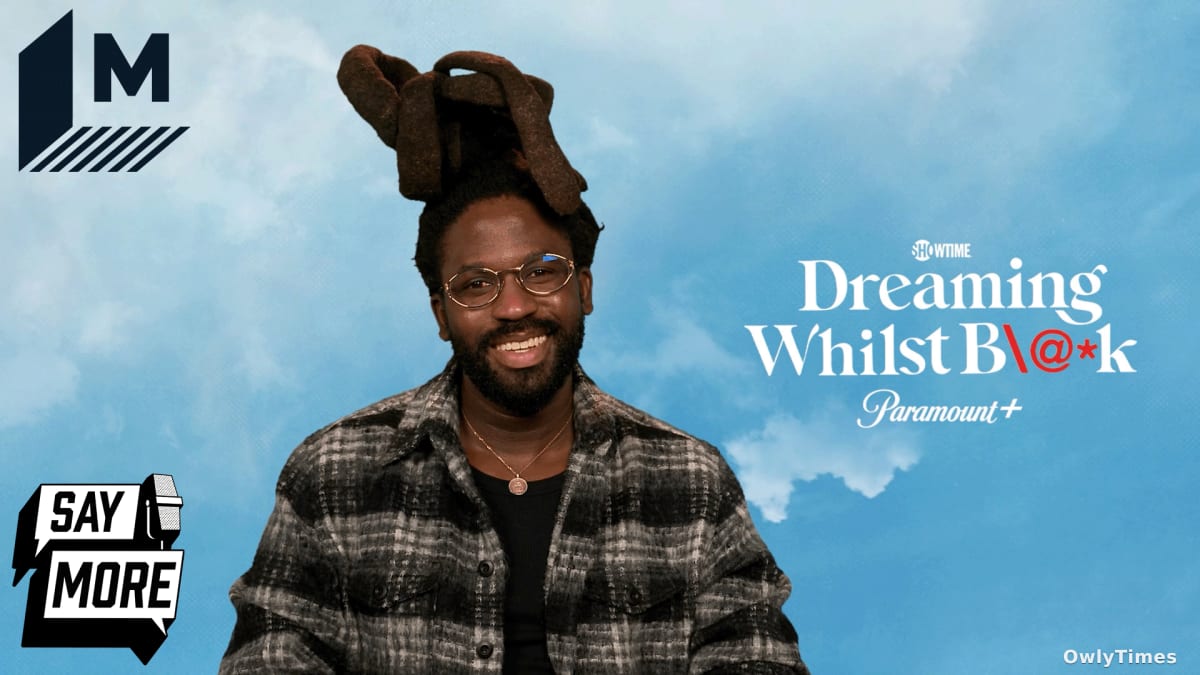
$76.2 billion. That’s the projected revenue for the US streaming video services market in 2024, according to Statista – a figure that underscores the immense economic pressure now bearing down on content creators. But a new season of the satirical comedy Dreaming Whilst Black, currently streaming on Paramount+ and BBC iPlayer, suggests that simply throwing money at diversity initiatives isn’t translating into meaningful change, and may even be exacerbating existing problems. The show, co-created by, co-written by, and starring Adjani Salmon, isn’t just holding a mirror up to the entertainment industry; it’s performing a forensic audit of its promises.
Dreaming Whilst Black Season 2 follows filmmaker Kwabena Robinson as he navigates his first television job on “Sin and Subterfuge,” a Regency-era drama employing colorblind casting. While seemingly progressive, the show’s premise – and Salmon’s commentary – exposes a critical disconnect between stated intentions and actual impact. This isn’t a niche concern. The streaming boom, while generating massive revenue, has simultaneously intensified the scramble for viewership, leading to a reliance on easily marketable “diversity” plays that often lack nuance or genuine creative vision. The show’s pointed satire, born from real-life pitches and experiences, highlights a systemic issue: the industry’s tendency to prioritize optics over authentic representation.
The core tension at play, as Salmon articulates to Mashable, is the gap between “intention versus impact.” The show’s writers reportedly generated a long list of fictional (and sometimes not-so-fictional) TV concepts – “Mandem in Outer Space” and “Grime and Punishment” being just two examples – that illustrate this point. These ideas, born from a mandate for “more diverse content,” often feel contrived and ultimately reinforce the very stereotypes they aim to dismantle. This isn’t simply a creative failing; it’s a financial one. Poorly conceived diversity initiatives consume resources that could be allocated to projects with genuine artistic merit and long-term audience engagement. The industry’s current approach, driven by quarterly earnings reports, incentivizes quick wins over sustainable change.
This piece references the mashable.com report.
This dynamic is particularly acute for Black creatives. As Robert Daniels noted in his Season 1 review for Mashable, despite the success of auteurs like Jordan Peele, Ava DuVernay, Ryan Coogler, Barry Jenkins, and Steve McQueen, the industry remains largely inaccessible to young Black directors. The show’s narrative arc, moving from struggling to gain entry to grappling with the pressures within the system, reflects this reality. Season 2 isn’t about breaking in; it’s about the compromises and creative constraints imposed once you’re “in the door.” This shift is crucial, as it acknowledges that access alone isn’t enough – true equity requires a fundamental restructuring of power dynamics and creative control. Salmon’s own experience with casting, requiring script rewrites to accommodate a talented Greek actor initially written as British, exemplifies this point. The show advocates for “color-conscious” casting, a more thoughtful approach than simply ignoring race.
The implications extend beyond the creative realm. The pursuit of superficial diversity can lead to tokenism, increased pressure on individual creators to represent entire communities, and a dilution of authentic storytelling. This, in turn, can erode audience trust and ultimately undermine the financial success of these projects. The streaming services, collectively holding that $76.2 billion, are betting on content that resonates. But resonance isn’t manufactured through check-box diversity; it’s earned through genuine connection and compelling narratives. Dreaming Whilst Black isn’t just a comedy; it’s a warning.
What this means for your wallet: Investors should be watching for streaming services that demonstrate a commitment to substantive representation – not just in front of the camera, but behind it as well. Consumers should demand more than performative allyship and actively support projects that prioritize authentic storytelling and creative vision. The question isn’t whether diversity is profitable, but whether the industry is willing to invest in it correctly. Will the next earnings reports show a shift towards quality over quantity, and a genuine commitment to empowering diverse voices, or will the cycle of intention versus impact continue?