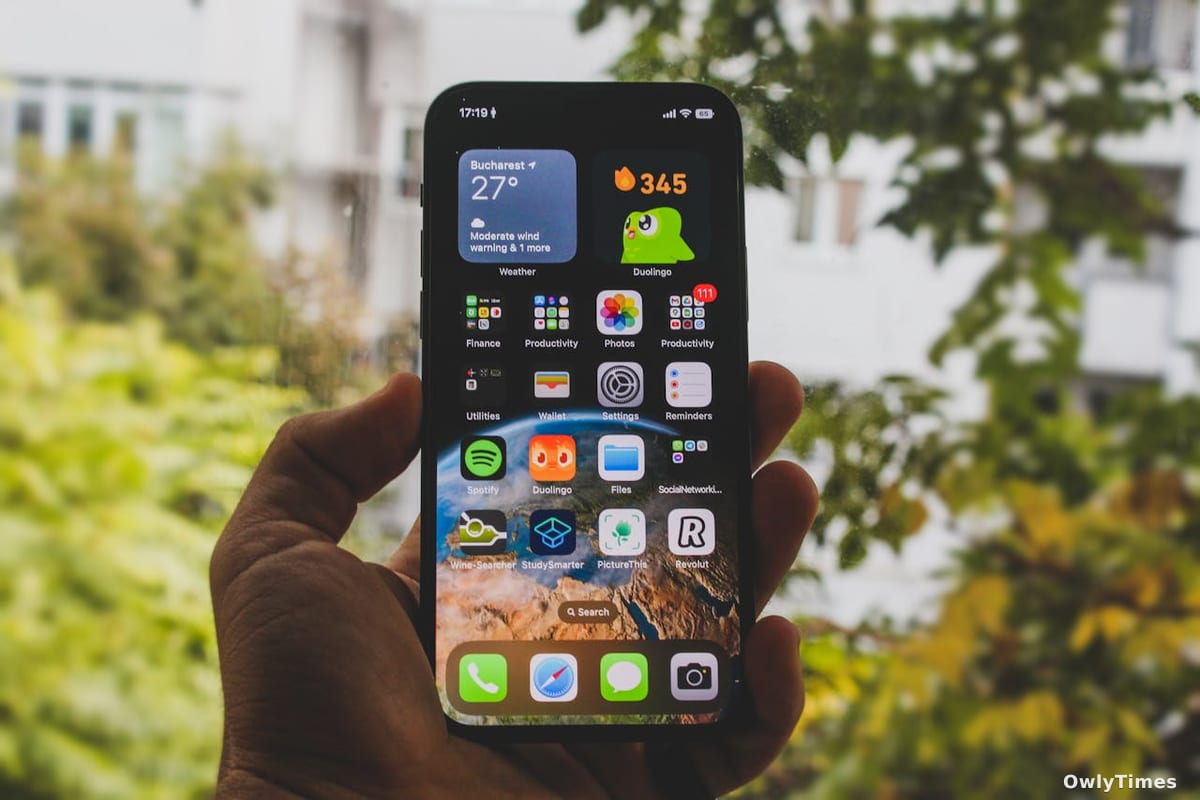

Can a green owl really survive in a forest dominated by Silicon Valley’s multi-billion-dollar language models? We have spent the last year watching companies rush to slap an "AI-first" label on their products as if it were a magic spell for market dominance, but the reality is proving far more complicated.
The real story here isn’t that Duolingo is trying to innovate—it’s that the company is trapped in a precarious tug-of-war between its "artisanal" human-led roots and the ruthless efficiency of general-purpose AI. When CEO Luis Von Ahn first announced the company’s "AI-first" pivot in April 2025, the market reaction was immediate and punishing. The company’s stock, which reached an all-time high of $540 per share in May 2025, had plummeted 80% from that peak by April 24, 2026.
The Premium Problem and the ChatGPT Competitor
For the everyday user, the shift has been jarring. Duolingo introduced Duo Max, a $30-per-month subscription tier powered by OpenAI’s GPT-4, designed to provide personalized explanations and video roleplay. Yet, the value proposition is increasingly murky. A motivated student could bypass the owl entirely by paying $20 a month for a premium subscription to ChatGPT, Google AI, or Claude, effectively accessing the same underlying intelligence for a lower price.
Eric Jackson, who leads the Human Language Technology program at the University of Arizona, believes the competitive landscape is shifting beneath the company’s feet. "I think Duolingo is going to have to be competing with these other companies," Jackson noted. While the tech might feel equivalent for common tongues like French or Spanish, the general models often struggle with the long-tail of human communication.
The Cost of the AI Arms Race
This transition is not just a branding exercise; it is an expensive, high-stakes infrastructure play. According to the 2025 annual report filed with the U.S. Securities and Exchange Commission, the company poured an additional $3.6 million into generative AI. This contributed to a 30% surge in research and development spending, with the report explicitly warning that the company "requires increased investment in computing infrastructure and related costs" moving forward.
The financial friction is evident. The same SEC filing warns that these investments are actively "reducing our operating margin and profitability." While Von Ahn struck an optimistic tone during the first-quarter earnings call on May 4, 2026—claiming AI helped the platform produce 10 times more course units than it did two years ago—the company is essentially betting that its proprietary, human-curated data will remain a distinct advantage.
Why Niche Languages Are the Last Stand
Duolingo’s true moat may not be its AI integration, but its library of over 40 languages, including those like Welsh, Catalan, and Haitian Creole. As Jackson points out, these languages are often underrepresented in the massive training datasets of general AI models, leading to lower-quality outputs.
If Duolingo can successfully marry its human-led "artisanal" data with automated scale, it might survive the transition. However, the company is currently balancing the need to satisfy Wall Street’s hunger for AI adoption against a user base that has already publicly labeled some of the newer content as "AI slop."
The next reading of the company’s operating margins will show whether the massive investment in computing infrastructure is actually driving user retention or simply burning cash in a race against free, general-purpose competitors.