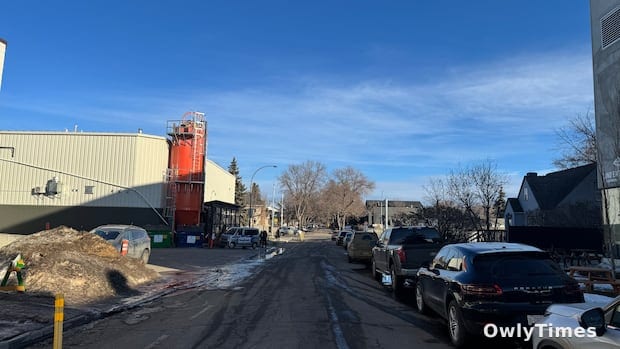

The scent of hops and the murmur of conversation already hang thick in the air along 78th Avenue, but Wednesday’s unanimous vote by Edmonton City Council promises to amplify that energy. This isn’t just about loosening restrictions on alcohol consumption – though that’s certainly part of it – it’s about a deliberate attempt to engineer “vibrancy” into a specific stretch of the city, now officially designated as Edmonton’s third entertainment district, affectionately known as Happy Beer Street. The move, following the establishment of similar zones on Rice Howard Way and 104th Street, feels less like a response to demand and more like a city actively seeking a cultural identity, one pint at a time.
Brewing More Than Beer: The Economic Logic of “Vibrancy”
The core promise of these districts, as articulated by local economy director Tom Mansfield, is streamlined bureaucracy. Currently, businesses wanting to host events requiring temporary street closures or expanded alcohol service face a labyrinth of applications to Alberta Gaming, Liquor and Cannabis – a process that can take up to six weeks and incur significant fees. This red tape, the city argues, stifles the very spontaneity that fuels a thriving entertainment scene. But the reduction in paperwork is a symptom of a larger trend: cities increasingly acting as curators of their own nightlife, actively shaping where and how people gather. It’s a shift driven by the understanding that a lively entertainment sector isn’t just good for businesses, it’s a key component of attracting and retaining a skilled workforce, and boosting overall economic health. The timing is particularly noteworthy given recent reports of a slowdown in Canada’s craft beer industry, with sales drying up and breweries facing closure; this district could be a lifeline for local brewers.
Source material: cbc.ca.
A Community’s Thirst for Connection
The overwhelming public support – 87% in favour, according to the city’s engagement survey – suggests a genuine desire for more communal spaces. Cole Boyd, co-owner of Bent Stick Brewing, described the designation as “a long time coming,” envisioning a collaborative atmosphere where events benefit all businesses on the avenue, not just the host. This isn’t simply about increased foot traffic; it’s about fostering a sense of place, a destination beyond the individual storefronts. Natalie Darrah, director of the non-profit Paths for People, framed the district as aligning with her organization’s “vision of a human-centred, vibrant city,” highlighting the existing infrastructure – public transit, sidewalks, bike lanes – that supports pedestrian-friendly events. However, the 11% opposition, citing concerns about noise, public intoxication, traffic, and parking, reveals a tension inherent in these initiatives: the pursuit of collective enjoyment inevitably impacts those living and working nearby.
Beyond the Headlines: The Limits of Engineered Fun
The enthusiasm surrounding Happy Beer Street is palpable, but it’s worth asking whether “vibrancy” can truly be legislated. Can a city council create a thriving cultural scene through zoning and permit adjustments? Or does genuine vibrancy emerge organically, from the grassroots efforts of artists, entrepreneurs, and community members? The success of this district will depend on more than just reduced red tape. It will require a sustained commitment to supporting local businesses, addressing the concerns of residents, and fostering a sense of inclusivity. The city’s branding initiative, mentioned briefly in the report, suggests a broader effort to redefine Edmonton’s image, and Happy Beer Street is clearly intended to be a key part of that narrative.
The Future of Urban Spaces: Will “Entertainment Districts” Become the Norm?
Edmonton’s move is part of a growing trend across North America, with cities increasingly turning to entertainment districts as a tool for economic development and urban revitalization. But the long-term implications remain uncertain. Will these districts become genuine hubs of cultural activity, or will they devolve into sanitized, corporatized zones catering to tourists? Will the benefits be shared equitably, or will they primarily accrue to large businesses and developers? The question isn’t simply whether Happy Beer Street will succeed, but whether this model of engineered vibrancy is a sustainable and desirable path for urban development. As other cities consider similar initiatives, they’ll be watching Edmonton closely to see if a little less red tape can truly brew a better community.