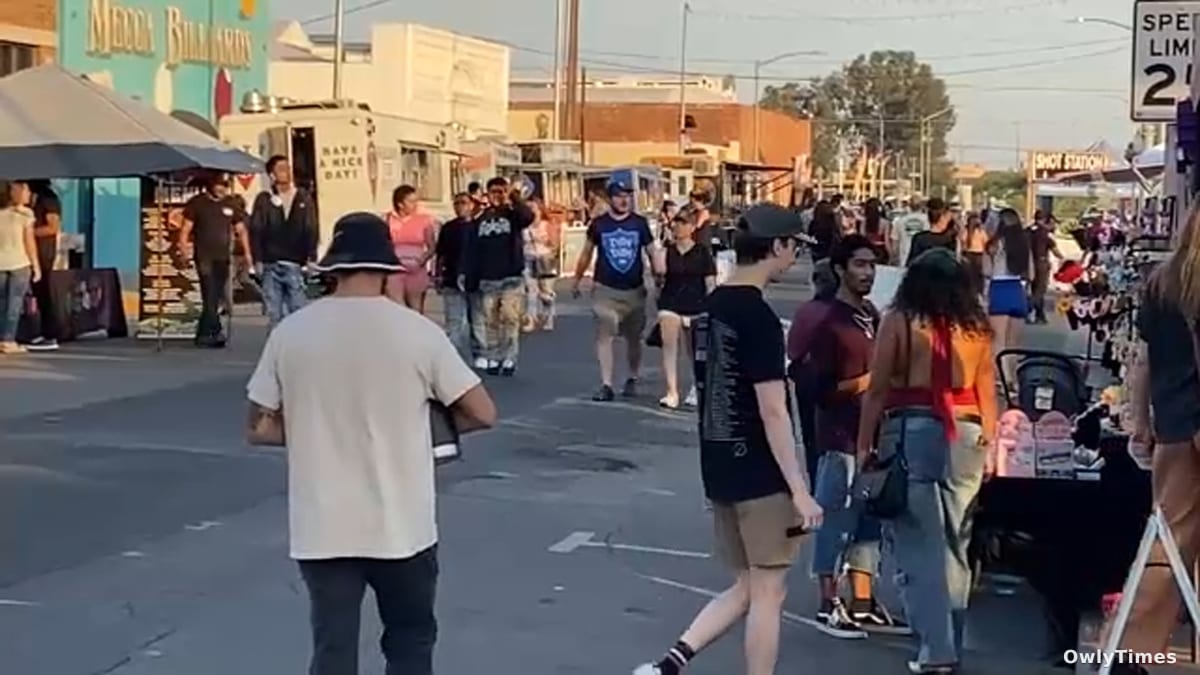

The humid air of a downtown street corner often holds the promise of community, but for many in Fresno, that promise is currently wrapped in a complex debate over who truly owns the public square. On a recent evening, the friction between economic development and grassroots equity became palpable as the Fresno City Council moved to reshape the city’s social fabric. In a unanimous vote, officials advanced a proposal to establish three designated entertainment zones along Fulton Street, effectively legalizing outdoor alcohol consumption during permitted events.
This move, detailed in a report by KFSN, aims to scale up the open-container models already utilized during staples like Art Hop and FresYes. The goal, according to Mayor Jerry Dyer, is to transition from an ad-hoc arrangement to a structured, regulated framework. By ensuring that alcohol is served exclusively by established, licensed businesses rather than temporary volunteers, the city hopes to mitigate the chaotic edges that can accompany street festivals.
The Economic Divide on Fulton Street
However, the glossy promise of a "Brewery District" revitalization masks a deeper, more uncomfortable reality for the city’s independent creators. While proponents argue this will streamline operations for brick-and-mortar bars, local artist Joseph Rodriguez points to the stark financial disparity it creates on the ground. For a vendor or performer, the difference between a profitable night and a total loss is often measured in foot traffic—and when the city’s infrastructure prioritizes specific corridors, the smaller players are often left to fend for themselves in the shadows of larger, stationary businesses.
The tension here is not just about liquor licenses; it is about the "have-nots" watching the "haves" capitalize on public space. When a taco truck draws a line around the block while a neighboring artisan struggles to move a single piece of work, the structural inequality of the city’s planning becomes impossible to ignore. As the City of Fresno looks to transform its downtown into a nightlife destination, it risks alienating the very culture-makers who originally breathed life into these neighborhoods.
Safety in the Shadow of Tragedy
Beyond the economic implications, the ordinance arrives at a time when the community is still reeling from raw, recent trauma. The conversation around "ingress and egress" and police staffing levels is not just bureaucratic jargon to those who recall the violence that has marred recent events. In April, a stabbing involving two teens near Art Hop, coupled with a fatal shooting shortly before FresYes, has left a permanent scar on the public perception of these gatherings.
Elliott Balch, CEO of the Downtown Fresno Partnership, frames the new ordinance as a way to leverage the experience of year-round operators to maintain order. Mayor Dyer insists that the primary objective is to "regulate it, legalize it, and put in standards that it does not get abused." Yet, for critics like Rodriguez, the city’s history of allowing events to proceed "without a hitch" following violent incidents suggests a systemic prioritization of optics over the safety of the individual pedestrian.
The Path to Final Implementation
The city’s ability to balance the demands of the hospitality industry with the genuine security concerns of its residents remains the primary variable in this project’s success. As the municipality prepares for the final vote on the ordinance, the focus will shift to the granular details of safety management. The upcoming final vote on June 4 will serve as the next definitive signal, indicating whether the city can truly codify a safe, inclusive entertainment environment or if it will simply formalize a new tier of downtown inequality. For the local businesses and artists along Fulton Street, the outcome of that vote will determine whether the city’s downtown evolution is a rising tide or a closing door.