
The roar of 80,824 fans at Estadio Azteca on Sunday night was supposed to be the soundtrack of a historic Mexican triumph, but as the final whistle blew on a 3-2 loss to England, the atmosphere turned from electric anticipation to bitter disappointment. For a nation that has seen its team exit in the round of 16 eight times since 1986, the defeat was a crushing reminder of the long-standing "what-ifs" that have haunted Mexican football since they last hosted the tournament, according to NPR.
A Tale of Two Eras at the Azteca
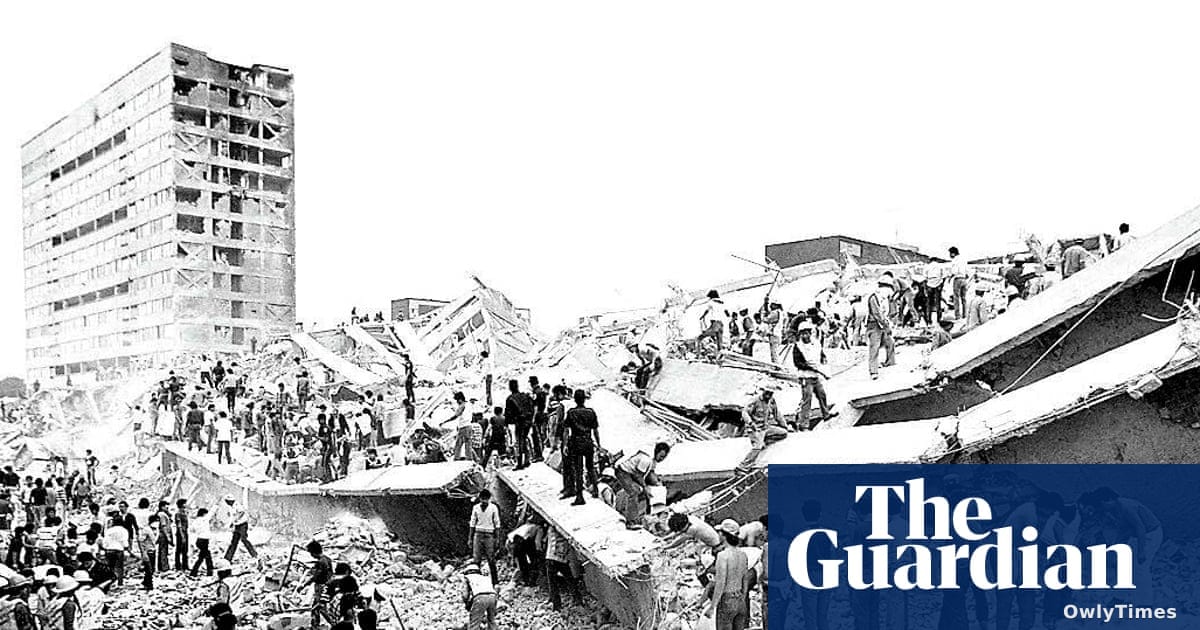
The weight of history at the Azteca is palpable, stretching back to the 1986 tournament, which nearly collapsed under the tragedy of a catastrophic earthquake. As reported by The Guardian, the 1986 event was defined by the resilience of a nation recovering from a disaster that left thousands dead and homeless. While the stadiums remained standing then, allowing the tournament to proceed, the social tension was undeniable; President Miguel de la Madrid was famously jeered by crowds at the opening ceremony, reflecting a disconnect between the spectacle of sport and the plight of the displaced.
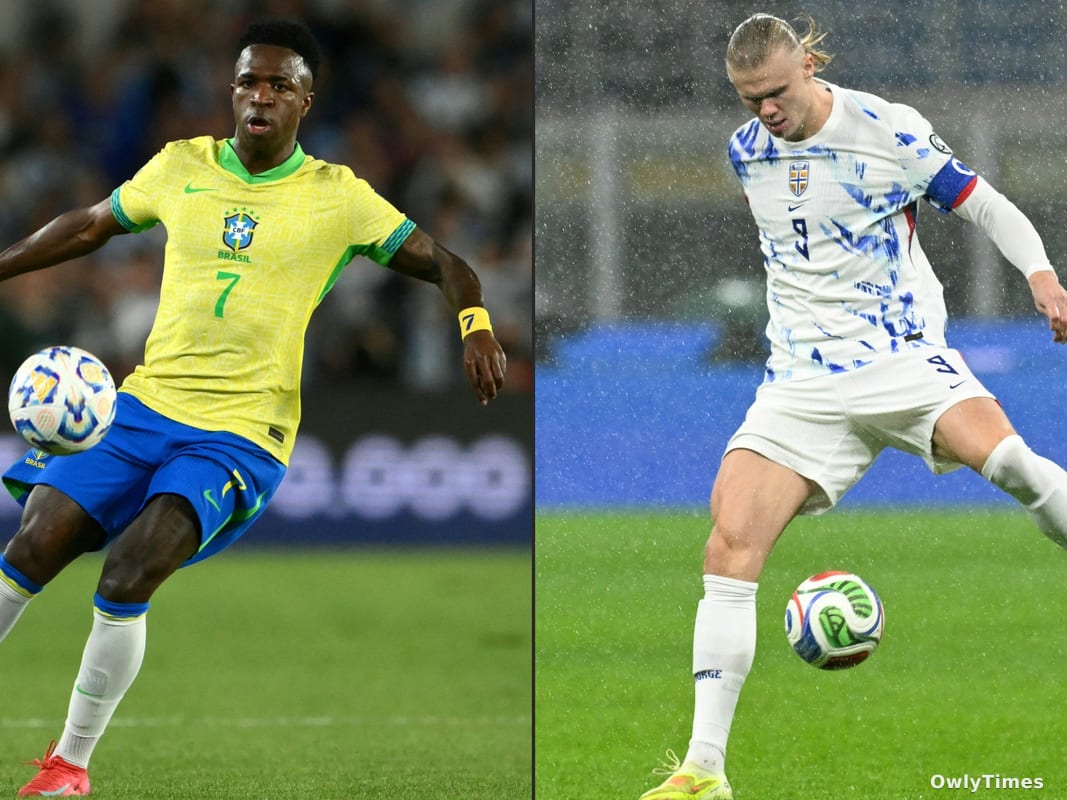
In contrast, Sunday’s match highlighted a modern evolution of the game, punctuated by the debut of Atlas, a humanoid robot from Boston Dynamics. According to Fortune, this fifth-generation machine performed goal celebrations and delivered the match ball during the Brazil-Norway fixture, signaling a "pivot point" where robotics moves from industrial testing to public spectacle. While the 1986 tournament was a test of national survival, the 2026 edition serves as a global showcase for how autonomous systems and high-tech training are becoming part of the footballing landscape.
The Drama of the Pitch and the Pubs
England’s victory was a masterclass in resilience, despite the squad being reduced to ten men following a red card for Jarell Quansah in the 54th minute. The Independent reports that Jude Bellingham scored a quick-fire brace, while captain Harry Kane secured the win with a 60th-minute penalty. The victory drew high-profile attention, with U.S. President Donald Trump praising Kane on Truth Social as a "GREAT player," an intervention that follows his reported calls to FIFA regarding the suspension of a red card for U.S. player Folarin Balogun.
The late-night kick-off time—01:00 UK time—sparked a frantic legislative scramble back in Britain. As the BBC notes, Prime Minister Sir Keir Starmer executed a government U-turn, passing emergency legislation on Friday to allow pubs to remain open until 5:00 a.m. Monday. While the move was hailed by industry groups like the Night Time Industries Association, it prompted warnings from the RAC regarding the risks of dehydration and fatigue, highlighting the cultural lengths fans will go to witness these fleeting, high-stakes moments.
The Changing of the Guard
For Mexico, the loss marks the end of an era. Coach Javier Aguirre announced he will step down, clearing the way for former Barcelona defender Rafael Marquez to take the helm. "To dream and then fall like this hurts deeply," Aguirre said in quotes carried by NPR. As the industry looks toward the quarter-finals, where England will face Erling Haaland's Norway, the tournament remains a volatile mix of traditional passion and emerging technology. Whether through the rapid adaptation of AI-trained robots or the sudden shifts in licensing laws, this World Cup continues to prove that the sport is rarely just about what happens on the grass; it is about how we mobilize, legislate, and emotionally invest in the outcome.