
35 percent of Brazilians have placed wagers on the 2026 FIFA World Cup as of late June, a figure that has more than tripled from the 11 percent participation rate recorded in May. This surge in gambling activity, tracked by fintech company Klavi across a sample of 1.2 million people, has transformed the tournament into a flashpoint for both sports enthusiasts and financial regulators.
Follow the money, and the scale of this economic shift becomes clear. According to ABC News, Brazil has solidified its position as the third-largest sports betting market globally, trailing only the United States and the United Kingdom. This industry, which saw a regulatory overhaul in 2023, is now under intense government scrutiny. Brazil’s Finance Ministry confirmed to the Associated Press that it has demanded explanations from four betting operators and two media outlets regarding content that may breach current laws.
The regulatory focus is heavily centered on the broadcast of the tournament itself. CazéTV, the YouTube streaming platform holding rights to all 104 matches, is currently under investigation by Brazil’s National Consumer Secretariat for potential irregularities in how betting is integrated into match commentary. While the platform maintains that its advertising complies with legislation, it has pledged to adopt a more conservative approach to brand integration following pressure from advertising self-regulators.
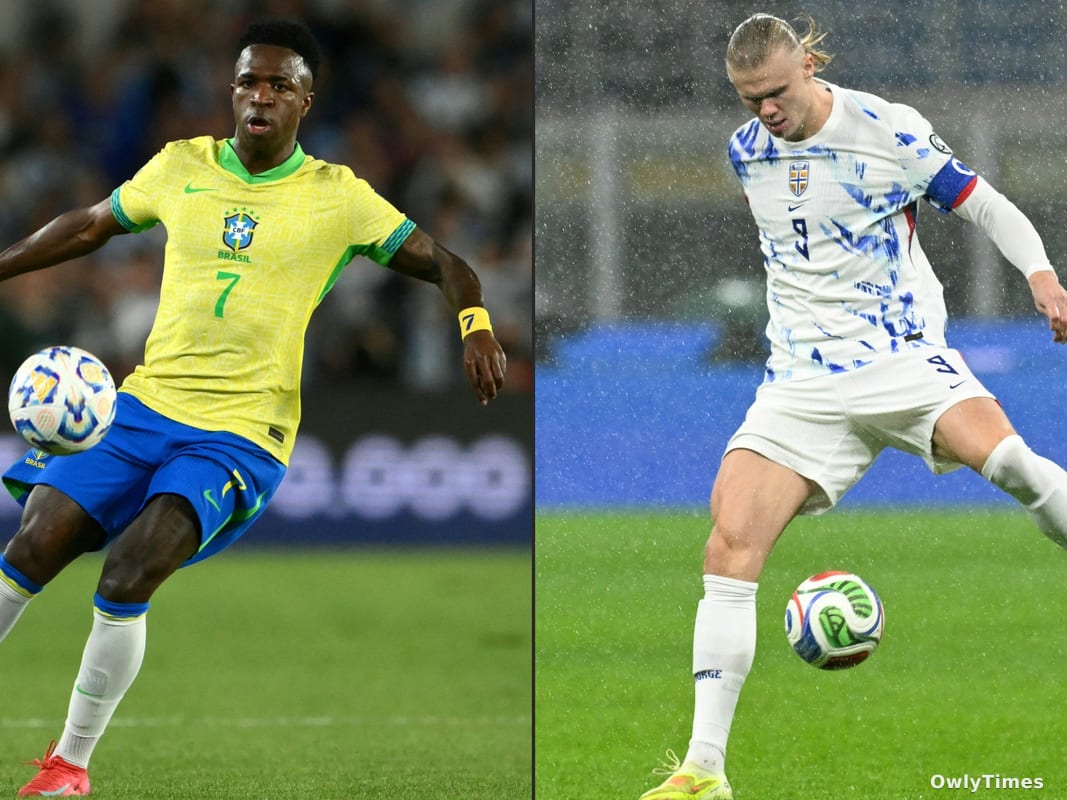
While the financial machinery of the betting industry accelerates, the sporting narrative remains equally high-stakes. On Sunday, July 5, Brazil faces Norway in a Round of 16 clash at the New York New Jersey Stadium in East Rutherford, Al Jazeera reports. The match serves as a pivotal moment for both teams; while Brazil enters as a favorite with a 53.6 percent win probability according to the Opta supercomputer, they face a historical hurdle, having not defeated Norway in four previous attempts.
The economic and athletic pressures are converging for the average fan. For individuals like Gustavo Freitas, a 34-year-old advertising professional, the World Cup has catalyzed a significant change in spending habits, with his betting volume increasing tenfold to approximately $200 since the tournament began. This individual behavior mirrors a broader societal trend; a 2025 study by the Institute of Studies for Health Policies estimated that betting and gambling cost Brazilian society 38.8 billion reais, or roughly $7 billion, annually.
As the tournament progresses toward the July 19 final at MetLife Stadium, the predictive models remain split on outcomes. The BBC notes that while their internal AI predictor and human expert Chris Sutton are tracking closely—with the AI maintaining a 63 percent success rate compared to Sutton’s 61 percent—the volatility of knockout football remains high.
What this means for your wallet: The data suggests that aggressive advertising and the "gamification" of live commentary are directly inflating individual betting expenditures during the tournament. With the Brazilian government actively suspending non-compliant advertisements and investigating broadcasting standards, investors should anticipate a tighter regulatory environment for betting operators in the coming months. For the consumer, the "bank always wins" adage remains the most relevant financial metric; the current spike in gambling is being driven by the emotional intensity of the World Cup, a temporary cycle that regulators expect to dampen once the tournament concludes.