
Is the spectacle of professional sports a high-stakes drama, or is it just the world’s most expensive form of reality television? We love to frame these narratives as "destiny" or "final acts," but the real story here isn’t the poetic retirement of a superstar — it’s the way our modern digital culture consumes legacy as content, regardless of the physical reality on the ground.
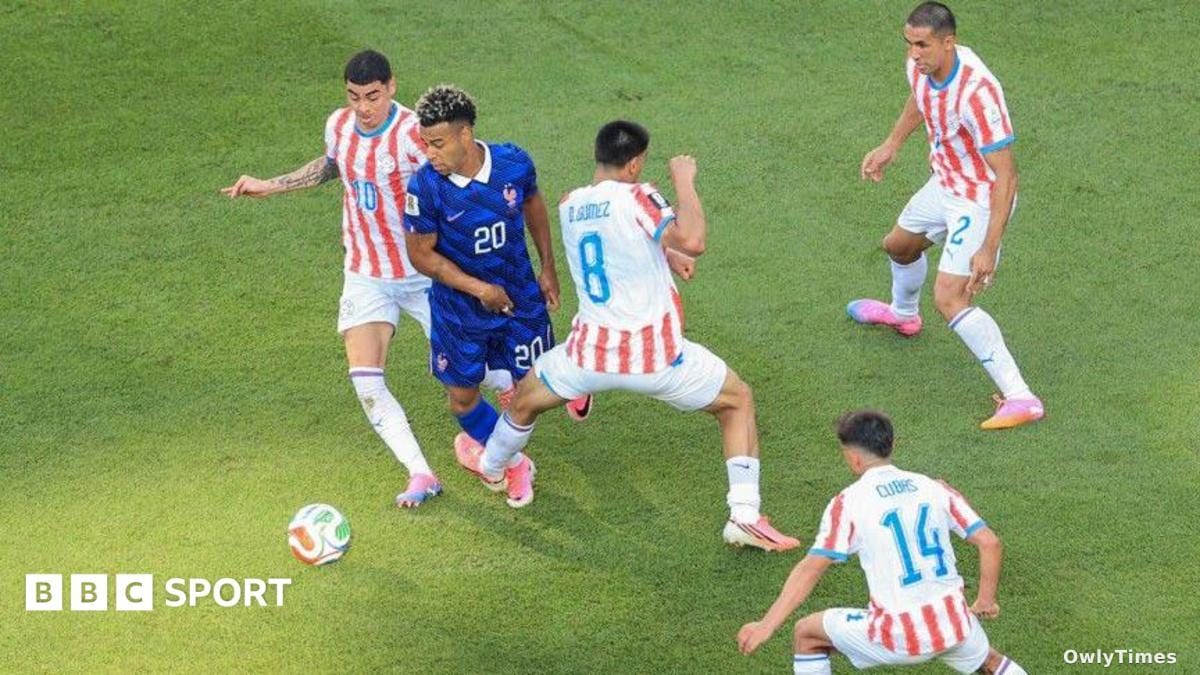
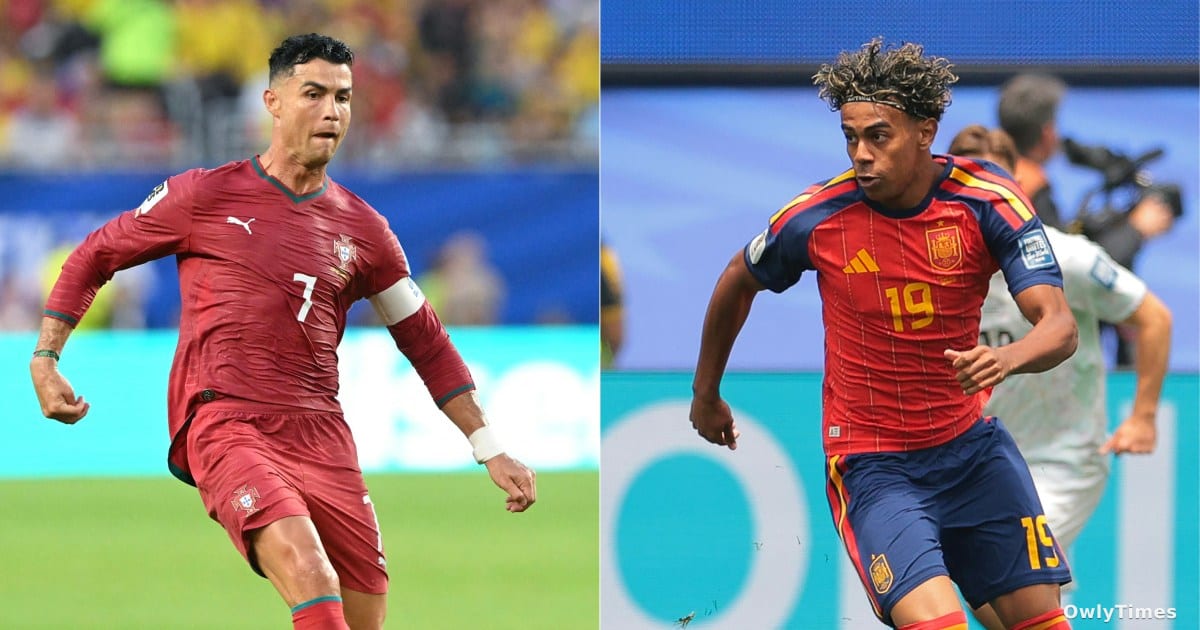
On Monday, July 6, Cristiano Ronaldo will lead Portugal against Spain in the FIFA World Cup round of 16 at Dallas Stadium in Arlington, Texas, according to Al Jazeera. This "Iberian derby" is being positioned as a generational clash between the 41-year-old Ronaldo and 18-year-old Spanish prodigy Lamine Yamal. While the hype machine is running at full capacity, the reality is a stark contrast to the narratives spun in press rooms.
The Myth of the Last Dance
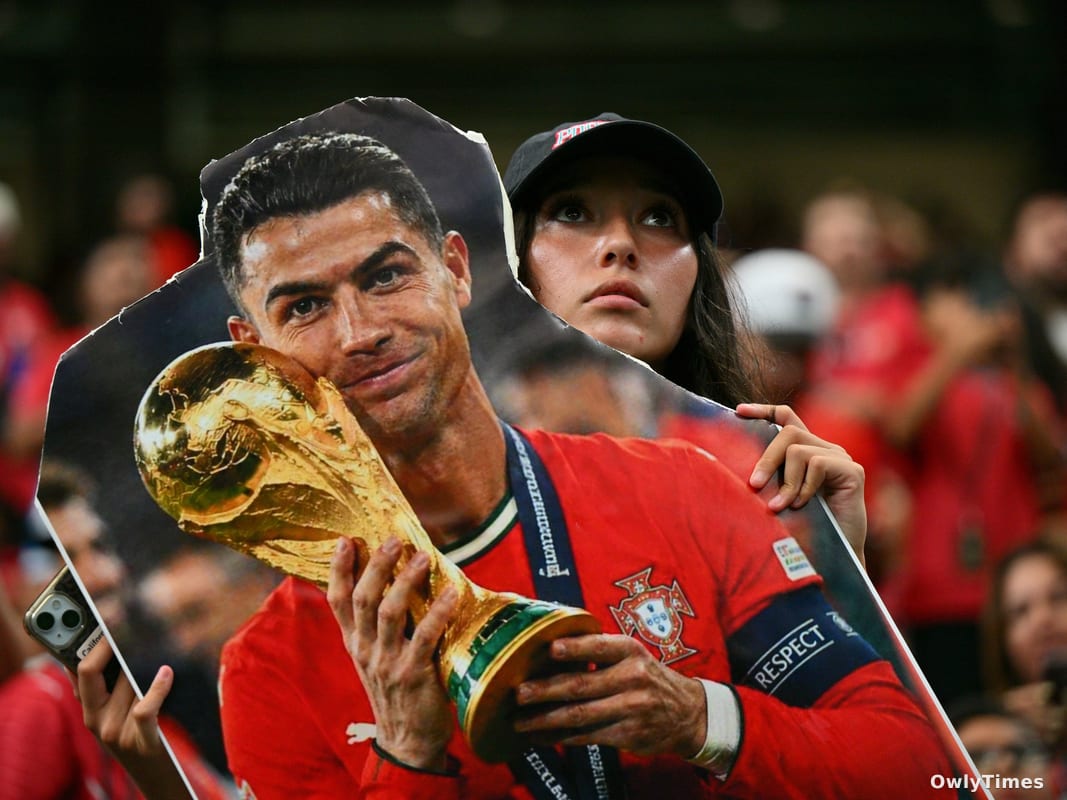
The media circus surrounding this match has fixated on Ronaldo’s admission that this will be his final World Cup. As reported by The Guardian, the Portuguese captain spoke with a reflective, almost weary tone, noting, "They’ve tried to kill me for 23 years." He framed his career with a sense of finality that resonates with the public, even as he brushed off the pressure of the moment.
For the everyday fan, this isn't just a game; it’s the closing of a chapter that has dominated global sports for two decades. Yet, the data suggests the "magic" might be waning. While Ronaldo has netted three goals in this tournament, Al Jazeera points out that the Opta supercomputer gives Spain a 49.2 percent likelihood of winning in regulation, compared to Portugal’s 25.6 percent.
When Tech Meets Turf
We often look to predictive models to quantify human effort, much like we use algorithms to predict wildfire behavior. While the world watches the Dallas match, a more literal, destructive fire is unfolding in the Iberian Peninsula. According to ABC News, over 1,200 firefighters have been battling a massive blaze in central Portugal’s Vouzela area since Thursday.
The scale of this environmental crisis is staggering: ABC News reports that 12,000 hectares (30,000 acres) have been scorched, a figure confirmed by the European Union’s Copernicus satellite mapping agency. While soccer fans debate lineups, the Portuguese government is relying on international aid—including 120 firefighters and 45 vehicles sent from Spain—to manage a disaster that dwarfs any tactical formation on a pitch.
The Cost of Neglect
The contrast between the controlled environment of a stadium and the chaos of the Vouzela wildfires is a sobering reminder of where our priorities often lie. We are obsessed with the "what-if" scenarios of a football match, yet we rely on satellite data and emergency response teams to manage the very real climate shifts affecting the home countries of these players.
If Portugal fails to beat Spain on Monday, the focus will shift entirely to the retirement of a global icon. However, the real signal to watch isn't the final whistle in Texas, but the outcome of the ongoing wildfire containment efforts in Portugal. Authorities indicated that by Sunday afternoon, the fire was abating, yet hot spots remain. The future of that region, unlike the outcome of a tournament, is a measurable crisis that will continue long after the stadium lights in Dallas go dark.