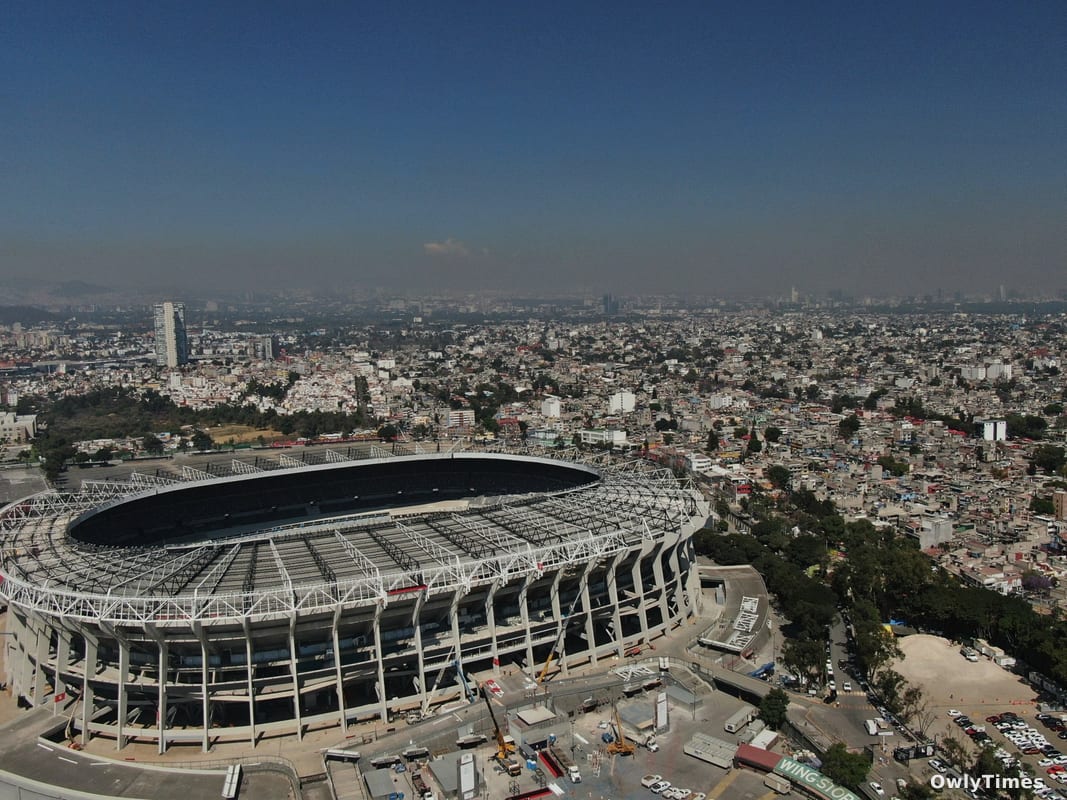

The atmosphere at the historic Estadio Azteca in Mexico City is primed for a showdown, but the path to Sunday’s knockout match has been anything but conventional. As England prepares to face the co-hosts, the fixture was nearly upended by a whirlwind of speculation regarding a drastic shift in kickoff time. While the match remains locked for 6pm local time (1am Monday BST), the uncertainty leading up to this confirmation underscores the immense logistical and cultural weight of the 2026 World Cup.
The chaos began when reports surfaced in Mexico on Friday suggesting that officials were considering moving the game forward by six hours to avoid potential thunderstorms and flooding. According to The Guardian, the potential switch sparked a "farcical" chain of events, with Mexico manager Javier Aguirre publicly criticizing a change that had not yet been confirmed by FIFA. While Sky Sports reports that FIFA admitted to "seriously considering" the move, Al Jazeera notes that the governing body ultimately insisted "no decision was ever made to reschedule."
A logistical and physical balancing act
The proposed shift to a midday start would have presented a distinct set of challenges for both teams. Beyond the immediate logistical hurdles of coordinating a workforce of more than 50,000 people, the environmental factors at the Azteca are significant. Al Jazeera highlights that the stadium’s altitude of approximately 2,200 metres limits oxygen availability, meaning an earlier start in the intense midday sun would have placed an even higher premium on player endurance.
England manager Thomas Tuchel has been candid about the hosts' advantage, noting that his squad has had little time to acclimatize to the conditions. Despite the back-and-forth, England forward Marcus Rashford maintained a composed outlook, telling reporters in Kansas City, as cited by The Guardian, "We’re ready for whatever challenges get thrown at us." Midfielder Morgan Rogers echoed this sentiment, telling Sky Sports that while an earlier start might have been preferable, the team would be prepared regardless of the clock.
Licensing laws and the ‘Wonderwall’ effect
The late-night kickoff has prompted a rare legislative response back in the UK. As the BBC reports, Prime Minister Sir Keir Starmer executed a U-turn on Thursday, confirming that pubs and bars in England and Wales will be permitted to remain open until 5am on Monday. This emergency measure, described by Local Government Secretary Steve Reed as "one of the fastest changes in the law that we've seen," ensures fans can watch the match in its entirety. However, authorities have issued warnings regarding the combination of alcohol, heat, and fatigue, with the RAC urging supporters to prioritize safety.
Amid the tactical tension, the English squad has found a new source of unity in the stands: the Oasis anthem "Wonderwall." According to Euronews, the song has become an unofficial team anthem, with players and fans singing it together at full-time. The cultural resonance is undeniable; the track has seen a 50% spike in UK streams, and even the Gallagher brothers have weighed in on the trend. For captain Harry Kane, the ritual represents an "emotional connection" that defines the current tournament experience.
As the industry looks toward the July 19 final in New York, the focus remains on whether England can navigate the thin air of the Azteca. The tournament continues to test the resolve of players and the patience of fans, proving that at this level, the drama often unfolds just as much in the corridors of power as it does on the pitch.