
The Hidden Cost of “Energy Dominance”: EPA Rollbacks and the Return of Mercury Risk
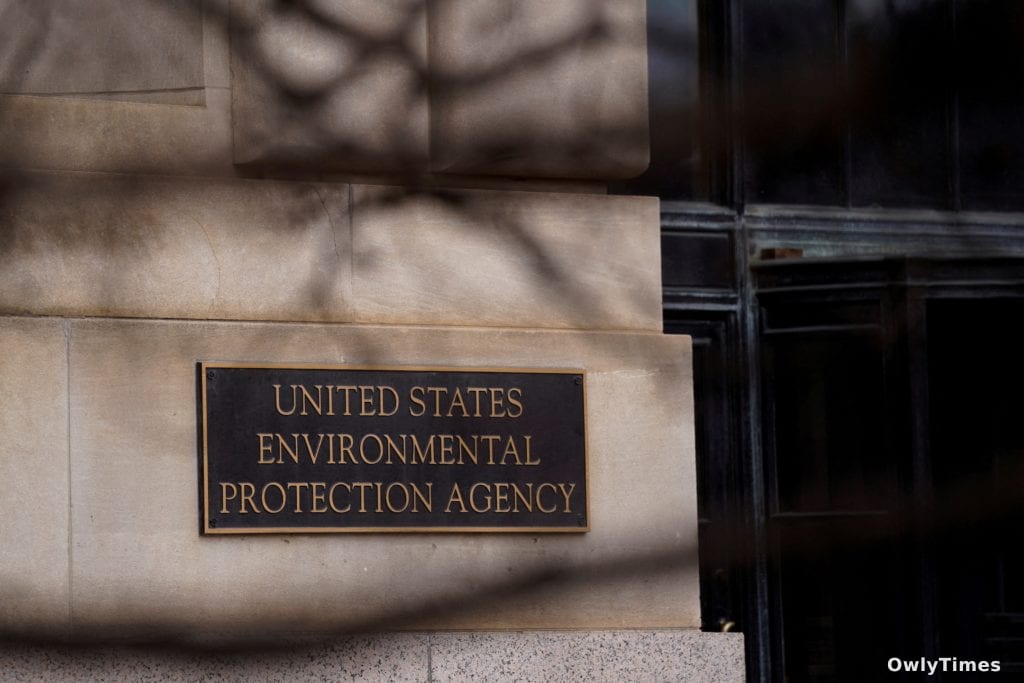
The narrative surrounding energy policy often centers on economic terms – affordability, reliability, and “energy dominance.” But beneath these headlines, a critical question remains: at what cost? This week, the Environmental Protection Agency (EPA) announced it is significantly scaling back regulations on toxic emissions from coal-fired power plants, a move framed as bolstering the coal industry and ensuring grid stability. However, a closer examination reveals a calculated gamble with public health, prioritizing short-term economic considerations for a struggling sector over demonstrable safeguards against neurotoxins like mercury. The changes aren’t a complete dismantling of existing rules – court decisions since 2012 have upheld core mercury restrictions under the Clean Air Act – but represent a substantial weakening, reducing safer limits on mercury pollution by 70% and easing requirements for continuous emissions monitoring.
The immediate reaction from industry groups, like America’s Power, has been celebratory. Their statement, released the same day as the EPA announcement, claims the rollback “helps prevent premature retirements of coal plants and strengthens grid reliability at a critical moment.” This echoes the justification offered by the Trump administration, which argued that stricter regulations imposed by the Biden administration were detrimental to the coal industry. However, as John Walke of the Natural Resources Defense Council (NRDC) points out, the EPA’s own analysis contradicts this claim. The agency’s internal documents admit the rule change will have “no impact on electricity prices” and won’t prevent the ongoing decline of coal-fired power, a trend driven primarily by the increasing cost-competitiveness of renewable energy sources like solar and wind. This suggests the rollback isn’t about saving the coal industry, but about offering a symbolic victory – and a $14,000 annual cost saving per plant by eliminating continuous emissions monitoring – to a politically important constituency.
This piece references the PBS report.
The core of the concern lies in the health impacts of mercury exposure. Mercury is a potent neurotoxin, particularly dangerous to developing brains. Walke emphasized the devastating consequences, citing “learning deficiencies” and “I.Q. lost” in fetuses, babies, and young children. These aren’t abstract risks; they represent tangible harm to cognitive development and long-term health outcomes. Beyond mercury, the rollback also weakens limits on toxic soot pollution, linked to cancer, birth defects, infertility, and miscarriages. The EPA’s decision to eliminate the requirement for continuous emissions monitoring is particularly troubling. While seemingly a minor detail, these monitors provide hourly data on pollution levels, enabling better enforcement and driving further reductions. Removing them sacrifices transparency and accountability for a negligible cost saving – $14,000 per plant, a pittance compared to the industry’s overall revenue.
It’s crucial to understand what the study – or, rather, the EPA’s regulatory change – actually found versus what headlines claim. The EPA isn’t arguing that mercury is harmless; they are arguing that reducing mercury emissions further isn’t worth the cost to the coal industry. This is a value judgment, not a scientific conclusion. The agency’s own data acknowledges the health risks, but prioritizes economic considerations for a sector already in decline. This framing is a common tactic in environmental deregulation: presenting the issue as a trade-off between economic prosperity and environmental protection, when in reality, the benefits of cleaner air and healthier communities often outweigh the costs. The claim of bolstering “grid reliability” also warrants scrutiny. The energy grid is increasingly reliant on diverse sources, including renewables, and the argument that coal plants are essential for stability is becoming increasingly tenuous.
Limitations to Consider
While the NRDC’s analysis provides a strong critique of the EPA’s decision, it’s important to acknowledge certain limitations. Walke’s perspective is inherently advocacy-driven, representing an organization dedicated to environmental protection. While his points are supported by scientific evidence and EPA’s own documentation, a fully unbiased assessment would require input from industry representatives and independent economic analysts. Furthermore, the long-term health consequences of increased mercury emissions will take years to fully manifest, making it difficult to definitively quantify the impact of this rollback in the short term. Establishing a direct causal link between specific emissions increases and individual health outcomes is a complex epidemiological challenge.
Looking ahead, the focus should shift to monitoring the actual impact of this rule change. Will coal plants truly remain operational, or will market forces continue to drive their closure? More importantly, will we see a measurable increase in mercury levels in communities surrounding coal-fired power plants? Public health agencies need to prioritize monitoring and research in these areas. The next crucial step is legal challenge. The NRDC and other environmental groups are likely to pursue litigation, arguing that the EPA’s decision is arbitrary and capricious, and fails to adequately protect public health. The outcome of these legal battles will determine the extent to which these rollbacks are allowed to stand. Ultimately, the question isn’t simply about the fate of the coal industry, but about the kind of future we want to build – one where economic expediency trumps the health and well-being of our communities, or one where we prioritize a sustainable and healthy environment for all.





