
Beyond the Headlines: What the EPA’s Revoked Finding Actually Means for Public Health
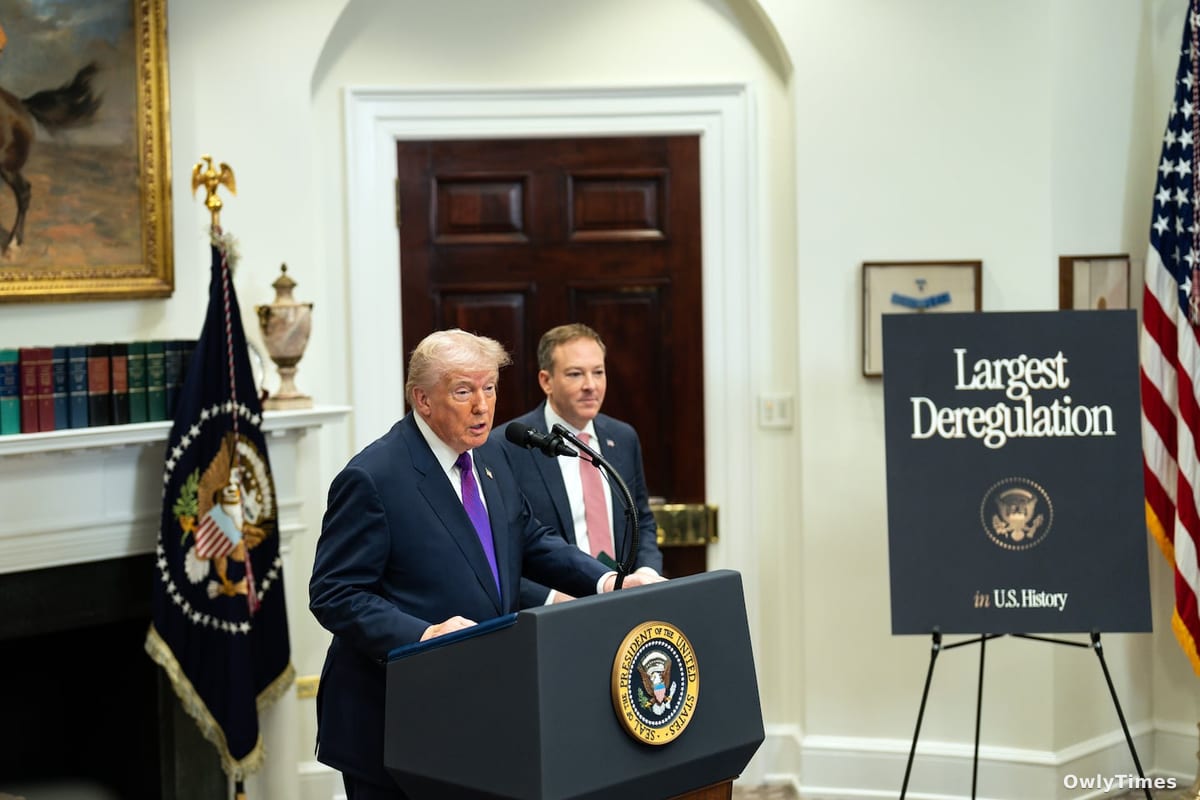
The recent revocation of the EPA’s “endangerment finding” – a determination that greenhouse gas emissions threaten public health and welfare – has been widely reported as a rollback of climate regulations. However, framing this as simply an environmental issue obscures a critical dimension: the disproportionate health risks now facing already vulnerable communities. While the Trump administration characterized the finding as detrimental to industry, and President Trump himself dismissed climate change as a “scam,” the decision isn’t about economic growth versus environmental protection; it’s about exacerbating existing health inequities along lines of race and socioeconomic status. The core scientific question at play isn’t whether climate change is happening, but who will bear the brunt of its consequences, and the EPA’s action demonstrably shifts that burden onto those least equipped to handle it.
Source material: bostonglobe.com.
The endangerment finding, initially established in 2009 and reaffirmed in a 2021 EPA report (now removed from the agency’s website), served as the legal basis for numerous regulations aimed at curbing emissions. Its revocation doesn’t immediately dismantle those regulations – many are still subject to legal challenges – but it weakens the foundation upon which they stand and signals a diminished commitment to addressing climate change as a public health threat. Headlines often focus on the broad implications for emissions targets, but the immediate impact will be felt most acutely in communities already burdened by pollution. Matthew Tejada, senior vice president for environmental health at the Natural Resources Defense Council, succinctly stated the reality: while the reversal affects everyone, “overburdened communities…they will, again, suffer most from these actions.” This isn’t speculation; it’s a conclusion supported by a growing body of research.
Recent data illustrates the stark disparities. A November study revealed that over 46 million Americans live within a mile of energy supply infrastructure – oil wells, power plants, refineries – but exposure isn’t evenly distributed. “Persistently marginalized” racial and ethnic groups are significantly more likely to live near multiple such sites, with Latino communities experiencing the highest overall exposure. This proximity translates directly into health outcomes. Research from the University of California, Los Angeles’ Latino Policy and Politics Institute, led by Julia Silver, found that Latino communities in California experience 23 more days of extreme heat annually than their white counterparts, coupled with double the rate of poor air quality and twice as many asthma-related emergency room visits. These aren’t isolated incidents; Latino children are 40% more likely to die from asthma than white children, a statistic linked to both environmental exposure and limited access to consistent healthcare.
The EPA’s own 2021 report, before its removal, quantified the increased risk with a projected 2-degree Celsius rise in global warming. The report estimated that Black individuals would be 40% more likely to live in areas with the highest projected increase in deaths from extreme heat, while Latino workers – overrepresented in outdoor industries like agriculture and construction – faced a 43% higher likelihood of experiencing significant labor hour losses due to heat. These aren’t abstract projections; they represent real people facing increased risk of heatstroke, respiratory illness, and economic hardship. Hilda Berganza, climate program manager with the Hispanic Access Foundation, emphasized that frontline communities are “going to feel it the most,” and the Latino population is particularly vulnerable due to residential and occupational factors.
It’s crucial to acknowledge the limitations of predicting precise impacts. Quantifying the additional harm caused solely by the revocation of the endangerment finding is complex, as numerous factors contribute to environmental health disparities. However, experts like Sacoby Wilson, a University of Maryland professor, are unequivocal: “You will see statistically significant increases in excess morbidity and mortality…in communities of color.” The legal challenge filed by a coalition of health and environmental groups on Wednesday underscores the fundamental argument that the EPA’s action is unlawful and harmful, and the concerns voiced by community leaders like Armando Carpio, a pastor in Los Angeles, highlight the lived reality of these risks. Beverly Wright, founding director of the Deep South Center for Environmental Justice, paints a grim picture of communities already disappearing due to industrial expansion, warning that the repeal will accelerate this trend.
Looking ahead, the critical research question isn’t whether climate change is a threat, but how to effectively mitigate its disproportionate impacts. Future studies should focus on granular, localized data to identify specific vulnerabilities within communities and inform targeted interventions. We need to move beyond broad risk assessments and develop strategies that address the intersection of environmental hazards, socioeconomic factors, and healthcare access. The next steps require not only robust scientific investigation, but also a commitment to environmental justice – ensuring that the benefits of climate action are shared equitably and that the burdens are not unfairly placed on those who can least afford them. Will policymakers prioritize data-driven solutions that protect vulnerable populations, or will the rollback of the endangerment finding mark a further entrenchment of environmental inequities? That is the question we must now watch unfold.





