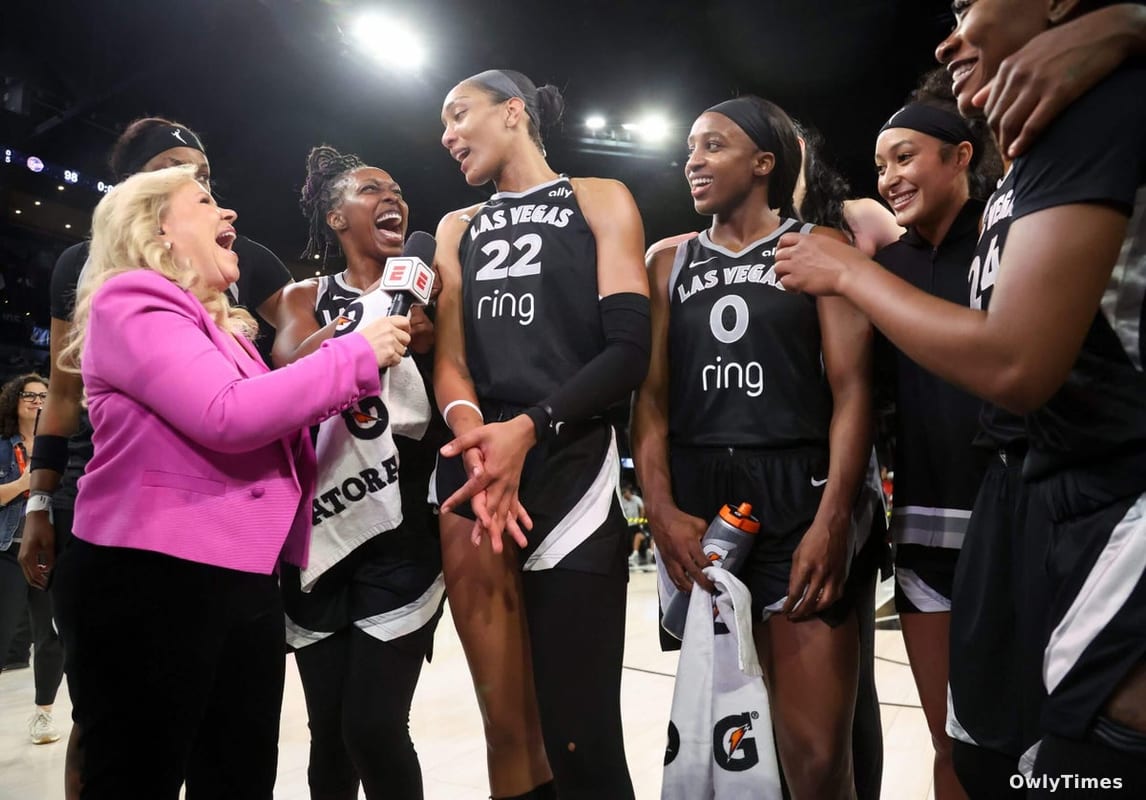

The chipped paint on the backstop at a little league field in suburban Chicago feels symbolic right now. For generations, Sunday nights meant baseball – the crack of the bat, the smell of hot dogs, the comforting rhythm of a game passed down through families. But this summer, something is shifting. While NBC prepares to fill its Sunday night slot with a revamped “Sunday Night Baseball” broadcast, complete with new voices like Jason Benetti, ESPN is betting big on a different kind of game, a different kind of audience, and a different kind of cultural moment: “Women’s Sports Sundays.” It’s a move that’s sparked outrage from some baseball purists, but beneath the surface of the online squabbling lies a far more significant story about the evolving economics of sports broadcasting and the undeniable rise of women’s athletics.
The Economics of Empty Airwaves
Let’s be clear: this isn’t about “wokeness,” as some corners of the internet are claiming. As Andrew Marchand of The Athletic points out, ESPN didn’t abandon “Sunday Night Baseball” out of some ideological shift. They walked away because the price tag was simply too high. The network opted out of renewing its contract, leaving a gaping hole in its primetime schedule. Filling that void with women’s sports – specifically the WNBA and NWSL – isn’t a statement; it’s a business decision. ESPN already held broadcasting rights to both leagues, and with the momentum building behind women’s sports, it presented the most logical, and potentially lucrative, solution. The numbers support this. While “Sunday Night Baseball” averaged around 1.8 million viewers in 2025, its highest mark since 2017, that number is expected to decrease on a streaming platform like Peacock. Meanwhile, the WNBA averaged 1.3 million viewers in 2025, a figure poised to explode with the full “Caitlin Clark effect” now in play – a boost largely absent last season due to her injury.
Source material: The New York Times.
Beyond the Viewership: A Cultural Reset
The increasing viewership is important, but it’s only part of the story. The real significance of “Women’s Sports Sundays” lies in its symbolic weight. For decades, women’s sports have been relegated to the margins, treated as niche interests rather than mainstream entertainment. The consistent primetime slots – the WNBA’s “Friday Night Spotlight” on ION (averaging nearly 630,000 viewers per game in 2025), the NWSL’s upcoming deal with Amazon Prime Video on Fridays, and the new LOVB pro volleyball league on USA Network (averaging 115,000 viewers) – are actively dismantling that narrative. Roslyn Durant of ESPN frames it as “building a consistent, high-profile destination that reflects the passion, excellence and cultural impact of women’s sports today.” It’s a carefully chosen phrase, emphasizing not just the games themselves, but the broader cultural shift underway. The NWSL’s 22 percent ratings increase from 2024 to 2025, culminating in a championship game drawing nearly 1.2 million viewers, demonstrates a hunger for this content that has long been ignored.
The Clark vs. Bueckers Scenario: A Tipping Point?
The potential for a WNBA game – imagine a showdown between Caitlin Clark and Paige Bueckers – to outdraw “Sunday Night Baseball” on Peacock or even NBC isn’t hyperbole; it’s a realistic possibility. This isn’t about diminishing the appeal of baseball, but about recognizing the rapidly expanding audience for women’s sports. The “Caitlin Clark effect” is real, and it’s not limited to basketball. Her arrival in the WNBA has brought a new level of attention and excitement to the league, attracting viewers who might not have previously tuned in. This influx of new fans is creating a virtuous cycle: increased viewership leads to more investment, which leads to better coverage, which leads to even more fans. The fact that ESPN is willing to gamble on this cycle, to prioritize women’s sports over a long-standing baseball tradition, speaks volumes about the network’s confidence in its potential.
What This Means for the Future of Sports
“Women’s Sports Sundays” isn’t just a new programming block; it’s a bellwether for the future of sports broadcasting. It signals a willingness to challenge established norms, to prioritize audience engagement over tradition, and to recognize the economic power of a previously underserved market. The question now is whether other networks will follow suit. Will we see more women’s sports leagues securing prominent primetime slots? Will advertisers begin to shift their spending towards women’s sports, recognizing the growing purchasing power of their audience? And perhaps most importantly, will the backlash from traditionalists subside as viewership numbers continue to climb? The success of “Women’s Sports Sundays” will likely determine whether this is a fleeting trend or the beginning of a permanent shift in the landscape of sports entertainment. We’re entering an era where a compelling matchup featuring female athletes could very well become the most valuable piece of real estate on the television schedule – and that’s a game changer for everyone.