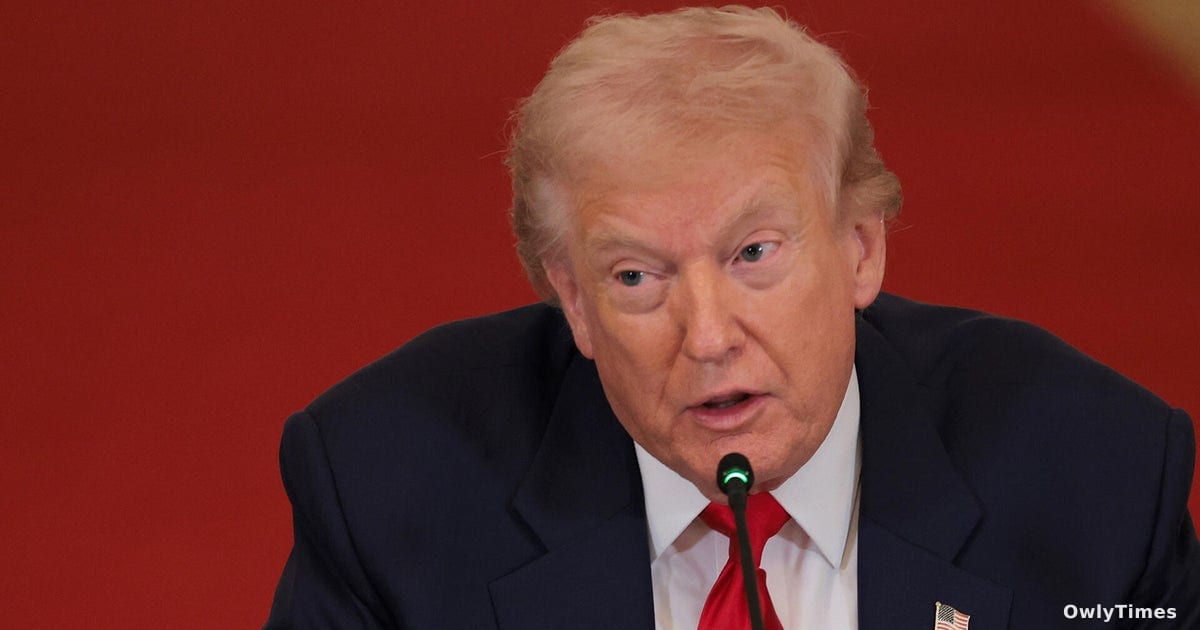

The Oval Office felt less like a center of global power and more like a frustrated football coach’s locker room last Friday. President Trump, visibly agitated, signed an executive order aimed at reining in the chaos of modern college athletics, a move punctuated by his now-familiar lament that “they’ve destroyed college sports.” But this isn’t simply about a former reality TV star’s distaste for the changing game; it’s a stark illustration of how rapidly cultural values are colliding with established institutions, and the lengths to which some will go to preserve a perceived golden age. The order, threatening federal funding for non-compliant schools, isn’t a solution so much as a pressure tactic, a desperate attempt to pump the brakes on a system already hurtling forward.
The $2.8 Billion Reckoning and the Myth of Amateurism
The immediate catalyst for this intervention is the financial strain placed on universities by the recent allowance of Name, Image, and Likeness (NIL) deals for student-athletes. A $2.8 billion retroactive settlement means colleges are now on the hook for opportunities denied to athletes between 2016 and 2025, a sum that’s sending athletic directors into a quiet panic. President Trump fixated on the example of a 17-year-old quarterback receiving a $12 million contract before throwing a single college pass, framing it as evidence of a system spiraling out of control. But this outrage conveniently ignores the decades of exploitation inherent in the previous “amateur” model, where universities reaped billions from athlete labor while the athletes themselves received only scholarships – and often faced restrictions on outside income. The current system isn’t a destruction of college sports, but a belated, messy reckoning with its inherent inequities.
Beyond the Quarterback: The Olympic Pipeline at Risk?
The President’s concern extends beyond football, however, and touches on a surprisingly vulnerable point: the Olympic pipeline. He voiced anxieties about how NIL deals could impact women’s sports and the training of American Olympians, many of whom rely on college athletic programs for facilities and coaching. This is a legitimate concern. While the spotlight is on the multi-million dollar contracts going to football and basketball stars, the ripple effect on Olympic sports – already chronically underfunded – could be devastating. A shift in resources towards revenue-generating sports could leave aspiring Olympians with fewer opportunities, potentially jeopardizing America’s dominance in international competition. This isn’t about preserving tradition; it’s about safeguarding a national competitive advantage.
Based on the original CBS News report.
A Power Play for the NCAA and a Stalled Congress
The executive order isn’t a standalone solution, and President Trump himself acknowledged the need for congressional action. He’s repeatedly called for legislation to standardize NIL rules, referencing the stalled SCORE Act, which aimed to regulate athlete compensation and bolster protections. But the fact that Congress hasn’t acted speaks volumes about the deep divisions surrounding this issue. The NCAA, meanwhile, stands to regain significant control under the proposed changes, a prospect that’s both understandable – given their historical authority – and deeply problematic. The NCAA’s track record on athlete welfare is far from spotless, and handing them more power without meaningful oversight risks simply returning to a system of control rather than genuine reform. The order essentially functions as a threat: comply with the NCAA’s evolving rules, or risk losing federal funding.
The Future of College Athletics: A Question of Values
This moment isn’t just about money or power; it’s about fundamentally different visions for the future of college athletics. Is it a developmental system for future professionals, where athletes are compensated for their value? Or is it a cherished amateur tradition, where the focus is on education and sportsmanship? President Trump’s intervention clearly favors the latter, but the genie is already out of the bottle. The NIL landscape is evolving rapidly, and athletes are increasingly aware of their market value. The question now isn’t whether NIL will exist, but how it will be regulated – and who will control the narrative. Will universities, the NCAA, and Congress find a way to create a sustainable and equitable system, or will we continue to see a series of reactive measures driven by fear and nostalgia? The coming months will reveal whether this executive order is a genuine attempt to fix a broken system, or simply a desperate attempt to rewind the clock.

