
The Calculated Risk of Speaking Out: Hawke’s Berlinale Gambit
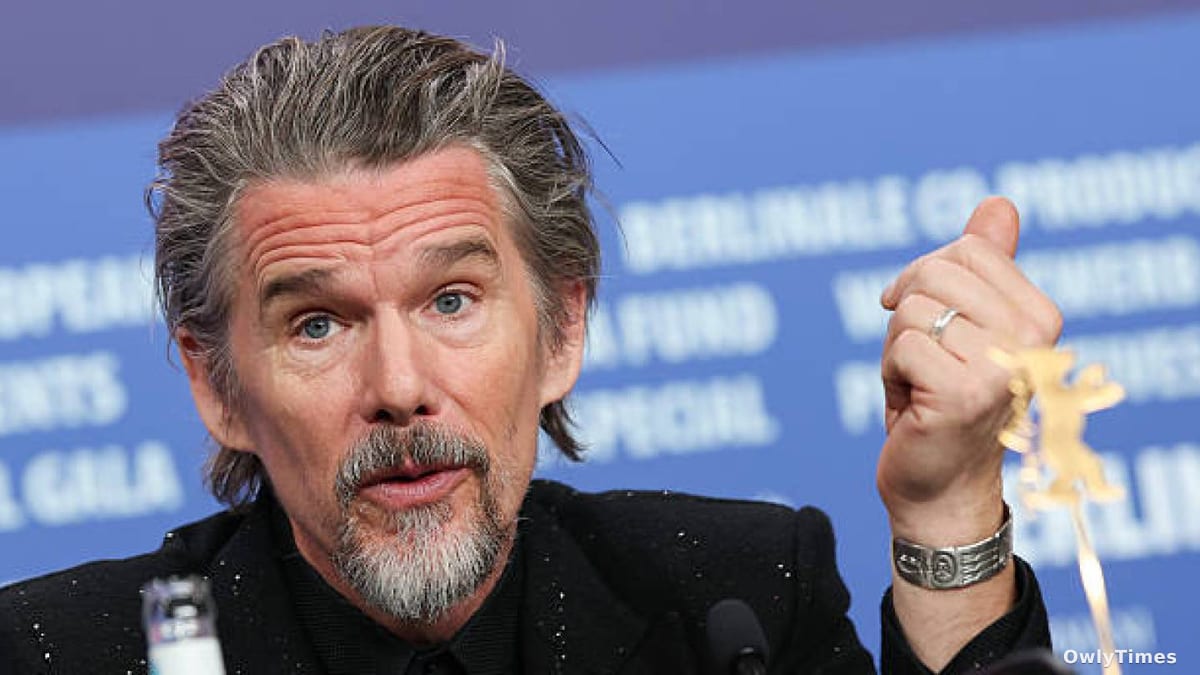
The timing wasn’t accidental. Ethan Hawke’s unequivocal declaration at the Berlin Film Festival – “Anything that fights fascism, I’m all for it” – wasn’t a spontaneous outburst, but a deliberate positioning ahead of The Weight's premiere. It’s a strategic move designed to leverage the film’s thematic resonance with current anxieties, and more importantly, to directly challenge a growing trend of political neutrality amongst high-profile artists at the festival. This isn’t about Hawke simply expressing a personal opinion; it’s about drawing a line in the sand and forcing a conversation about the responsibility of cultural figures in an era of escalating geopolitical tension.
The context is crucial. The Berlinale, traditionally a platform for politically charged cinema, found itself under fire for perceived reticence. Wim Wenders, jury president, alongside Michelle Yeoh and Neil Patrick Harris, actively avoided commenting on U.S. politics, arguing for a separation between art and political statements. This stance ignited criticism from European journalists, who view such neutrality as a tacit endorsement of the status quo. The withdrawal of Arundhati Roy following Wenders’ assertion that “art should not be political” further amplified the controversy, creating a vacuum that Hawke swiftly moved to fill. Who benefits and who loses here? Hawke gains visibility as a principled voice, while the festival’s leadership faces increased scrutiny for its handling of politically sensitive issues.
Hawke’s framing of The Weight – a 1930s-set drama about fighting “institutional greed and malevolence” – is equally calculated. The film’s narrative, centered on a desperate struggle for survival and justice, provides a convenient allegory for contemporary concerns. He’s not merely promoting a movie; he’s offering it as a cultural response to the anxieties of the moment. This echoes a historical pattern seen during the Popular Front era of the 1930s, when artists actively used their work to address social and political issues, often aligning themselves with anti-fascist movements. The difference now is the expectation of neutrality, a pressure Hawke is actively resisting. The open letter signed by Javier Bardem, Tilda Swinton, and Adam McKay criticizing the festival’s “silence” on Gaza demonstrates the depth of this discontent, and Hawke’s response acknowledges the weight of that collective frustration.
Drawn from The Hollywood Reporter.
The festival’s internal dynamics are revealing. The initial reluctance to engage with politics wasn’t born of apathy, but of a calculated risk assessment. The Berlinale, heavily reliant on public funding and international partnerships, likely feared alienating key stakeholders. However, this strategy backfired, creating an impression of complicity and fueling accusations of censorship. The festival’s attempt to maintain a neutral stance inadvertently amplified the voices of those demanding a more engaged response. This mirrors the challenges faced by institutions throughout the 20th century attempting to navigate politically charged environments – a desire for broad appeal often clashes with the need to take a stand on moral issues.
Even Hawke’s self-deprecating anecdote about his evolving fashion choices – from a $4 thrift store suit in the early 90s to a more extravagant ensemble today – serves a purpose. It’s a subtle acknowledgement of his own privilege and a way to deflect accusations of hypocrisy. He’s presenting himself as a flawed but sincere individual, willing to engage with difficult questions. The film itself, directed by Padraic McKinley and based on a story by Leo Scherman and Matthew Booi, further reinforces this narrative of struggle against systemic injustice. The story of Samuel Murphy, played by Hawke, imprisoned and exploited, resonates with contemporary concerns about economic inequality and corporate power.
The political chess move to watch next isn’t whether other filmmakers will follow Hawke’s lead, but how the Berlinale will respond. Will they double down on their commitment to neutrality, risking further alienation? Or will they embrace a more proactive stance, potentially jeopardizing funding and partnerships but regaining credibility as a platform for politically engaged cinema? The festival’s next programming decisions, and the statements made by its leadership, will reveal whether this was a momentary blip or a fundamental shift in its identity.





