
The air in Berlin is different in February. Not just the bone-chilling cold that seeps into your layers despite your best efforts, but a current of tension, a low hum of expectation that vibrates beneath the glittering surface of the Berlinale. This year, however, that hum wasn’t about the films themselves – though a compelling slate emerged, from the haunting period piece Rose to the vibrant Lagos portrait Lady – it was about what wasn’t being said. On opening day, Wim Wenders, president of the international jury, declared filmmakers should be “the counterweight to politics,” a statement that almost immediately detonated a firestorm, revealing a festival grappling with its own political commitments and the limits of artistic freedom. The Berlinale, historically the most politically engaged of the major film festivals, found itself accused of silencing dissent, and the resulting fallout exposed a raw nerve in the global film community.
The initial spark came during a press conference where a journalist dared to ask about human rights and the situation in Gaza. Wenders’ response – “We have to stay out of politics” – felt like a betrayal to many, a stark contrast to the festival’s past pronouncements on issues from the war in Ukraine to protests in Iran. The irony wasn’t lost on anyone: a festival founded in 1951 during the Cold War, explicitly as a beacon of Western values, now seemed hesitant to take a stand on a contemporary crisis. This hesitation quickly manifested in concrete actions. Films were withdrawn in solidarity with Palestine, author Arundhati Roy publicly denounced the jury’s “unconscionable statements,” and director Kaouther Ben Hania refused an award from the Cinema for Peace Foundation, a move that underscored the growing sense of unease. The festival’s director, Trisha Tuttle, released a lengthy statement affirming artistic freedom, but it did little to quell the rising tide of criticism.
Reporting from NPR informs this analysis.
The core of the controversy isn’t simply about Gaza, though that’s the immediate catalyst. It’s about the power dynamics at play, and the uncomfortable truth that the Berlinale, while championing independent voices, is heavily reliant on German government funding. Over 100 artists, including heavyweights like Tilda Swinton, Javier Bardem, and Adam McKay, signed an open letter accusing the festival of “censoring artists who oppose Israel’s ongoing genocide against Palestinians in Gaza and the German state’s key role in enabling it.” This isn’t a claim Tuttle accepts, insisting in an interview with The Hollywood Reporter that “It’s not true that we are silencing filmmakers.” But the perception of censorship, fueled by the festival’s perceived silence on Gaza and the financial pressures it faces, has taken hold. The situation highlights a broader trend: the increasing difficulty for cultural institutions to navigate complex geopolitical issues without appearing to take sides, or worse, to be complicit in injustice.
Beyond the headlines, this isn’t just a dispute over a film festival. It’s a microcosm of the larger struggle for artistic freedom in an increasingly polarized world. The Berlinale’s predicament reflects the pressure faced by artists and institutions everywhere to balance their commitment to free expression with the need to avoid alienating funders or provoking political backlash. The festival’s attempt to remain “neutral” – to allow artists to speak freely while avoiding direct condemnation of specific actions – has been interpreted by many as a form of tacit approval, a betrayal of its own progressive values. This is particularly stinging given the festival’s vocal condemnation of Russia’s invasion of Ukraine in 2023, a disparity that underscores the perception of a double standard. The numbers tell a story too: while the festival saw a robust attendance of 300,000 in 2023, the shadow of this year’s controversy undoubtedly impacted the overall mood and potentially, future participation.
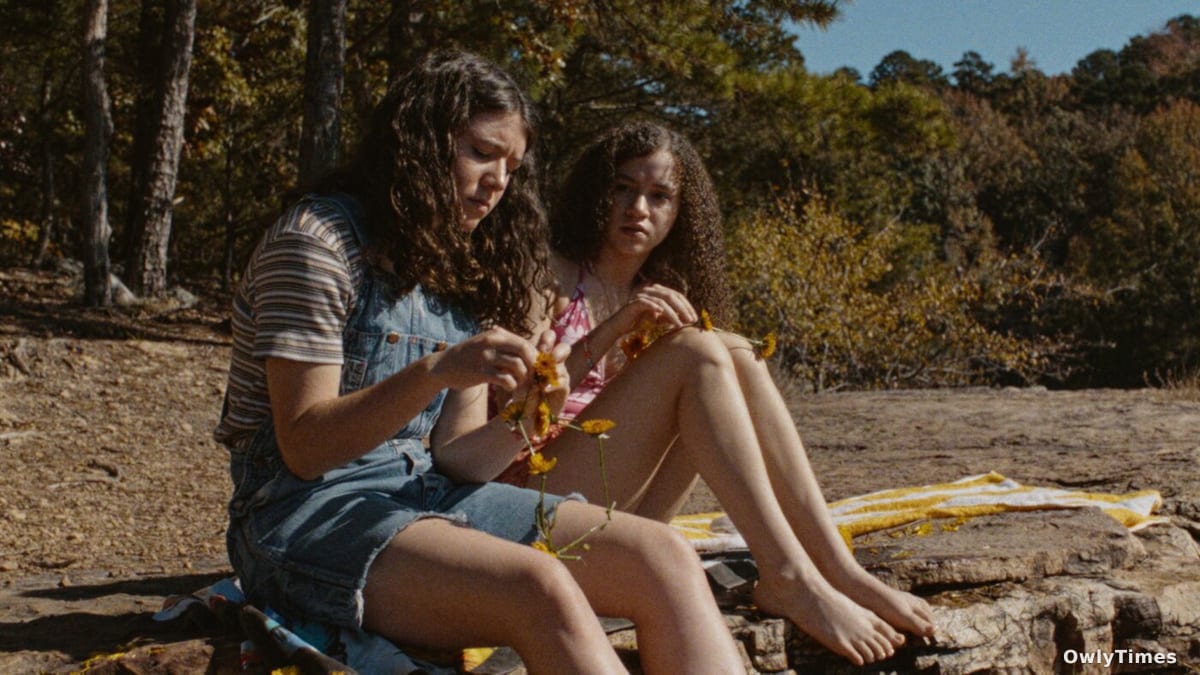
Yet, amidst the political turmoil, the films themselves offered a powerful counterpoint. Markus Schleinzer and Alexander Brom’s Rose, starring Sandra Hüller, explored themes of identity and belonging with a quiet intensity. Olive Nwosu’s Lady captured the vibrant energy and complex realities of Lagos. Warwick Thornton’s Western offered a tender story of resilience in the face of colonial violence. And Viv Li’s Two Mountains Weighing Down My Chest provided an intimate and vulnerable exploration of self-discovery. These films, and others like them, demonstrated that even in the midst of political upheaval, art can still offer moments of beauty, insight, and connection. They served as a reminder that the true “counterweight to politics,” as Wenders initially suggested, isn’t silence, but the power of storytelling itself.
The Berlinale’s crisis isn’t likely to resolve quickly. The questions raised about artistic freedom, political responsibility, and the influence of funding will continue to reverberate long after the final credits roll. But the real question now is this: will other festivals, and cultural institutions more broadly, learn from the Berlinale’s experience? Will they proactively address the ethical dilemmas inherent in operating within complex political landscapes, or will they wait for a similar crisis to force their hand? The future of independent cinema, and the ability of artists to speak truth to power, may depend on the answer.





