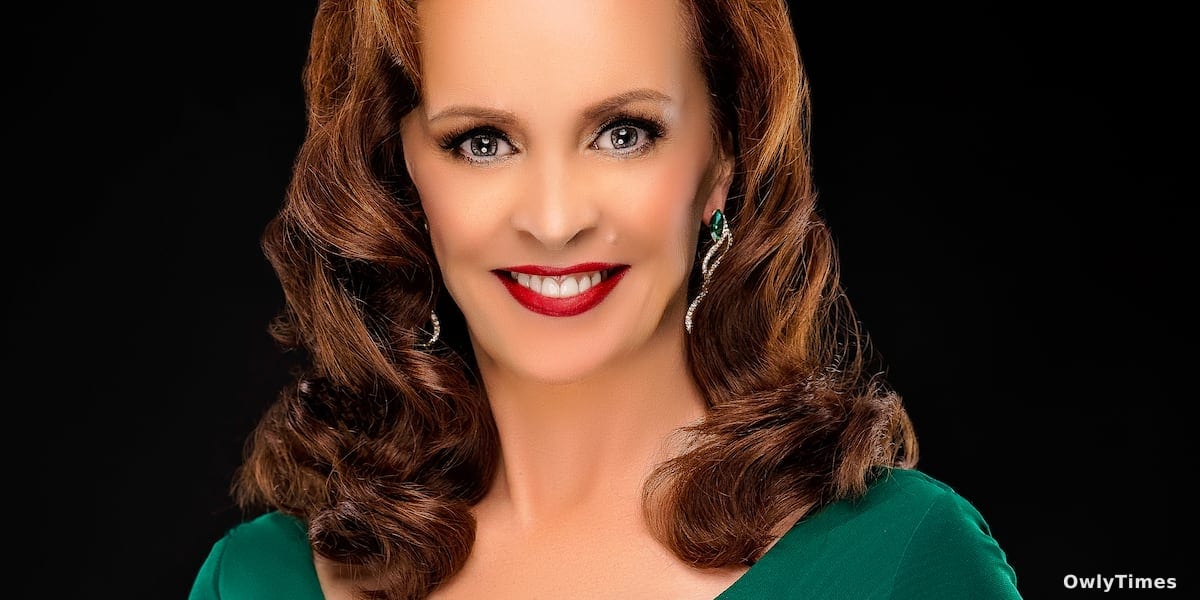

The chipped velvet seats of the Millwald Theatre in Wytheville, Virginia, hold the ghosts of countless performances, but Saturday night, they’ll vibrate with a different energy. Sheena Easton, the Scottish singer whose voice defined a generation of pop, takes the stage at 7:30 PM, a return to live performance fueled not by chasing chart dominance, but by a connection to the faces in the crowd. This isn’t a comeback tour in the traditional sense; it’s a testament to the enduring power of a career built on adaptability and, crucially, a reciprocal relationship with a devoted fanbase – a model increasingly rare in today’s music landscape.
Easton’s four-decade run, punctuated by hits like “Morning Train (9 to 5),” “Strut,” and the Oscar-nominated James Bond theme “For Your Eyes Only,” isn’t simply a story of musical success. It’s a case study in navigating the shifting sands of the entertainment industry. Debuting in 1980 with “Modern Girl,” she arrived as the music industry was undergoing a seismic shift, moving from album-driven sales to the burgeoning world of music videos and MTV. Unlike many contemporaries who struggled to adapt, Easton embraced the change, leveraging her striking image and versatile voice to remain relevant. But her longevity isn’t about chasing trends; it’s about recognizing what truly resonates with an audience.
Original reporting: wdbj7.com.
What’s particularly striking about Easton’s career is her willingness to collaborate and learn from diverse musical icons. She speaks fondly of working with both Prince and Kenny Rogers, but not as name-dropping anecdotes. “I learned so much about improvisation and just going with the flow from Prince,” she told WDBJ, contrasting his open-ended approach to production with more rigid studio environments. “And Kenny Rogers… he taught me class and charm.” This isn’t just about musical technique; it’s about understanding the different philosophies of performance and artistry. Prince represented a radical, spontaneous creativity, while Rogers embodied a polished, timeless appeal. Easton absorbed both, weaving them into her own evolving style. This willingness to learn, to not be defined by a single sound, is a key to her enduring appeal.
Beyond the pop anthems and film appearances – including roles in “Indecent Proposal” and a stint on “Miami Vice” – Easton’s ventures into stage work, from Broadway’s “Man of La Mancha” to a year-long run in London’s West End production of “42nd Street,” reveal a performer driven by the immediacy of live interaction. “Performing my songs and working live and seeing an audience right there responding to the music — that’s what gets me excited,” she says. In an era where artists increasingly rely on curated online personas and pre-recorded performances, Easton’s emphasis on the live experience feels almost radical. The industry currently sees live music revenue at $30.2 billion in 2023, a 36% increase from 2022, according to Pollstar, but that growth is often concentrated at the superstar level. Easton’s continued touring, playing venues like the Millwald, demonstrates a commitment to connecting with fans on a more intimate scale.
Easton’s observation that she can “pick out the ones where that’s their song” by the look in their eyes speaks to a deeper truth about the power of music and memory. It’s not just about the song itself, but the personal associations, the shared experiences, that it evokes. Her fans aren’t simply consumers of her music; they are active participants in its ongoing story. And as long as they keep showing up, as Easton acknowledges, she’ll keep performing. The question now is whether more artists will prioritize this kind of sustained, reciprocal relationship with their audiences, or continue to chase the fleeting validation of viral trends and streaming numbers. Will the industry learn from artists like Sheena Easton that true longevity isn’t about reinvention, but about remembering why you started performing in the first place?