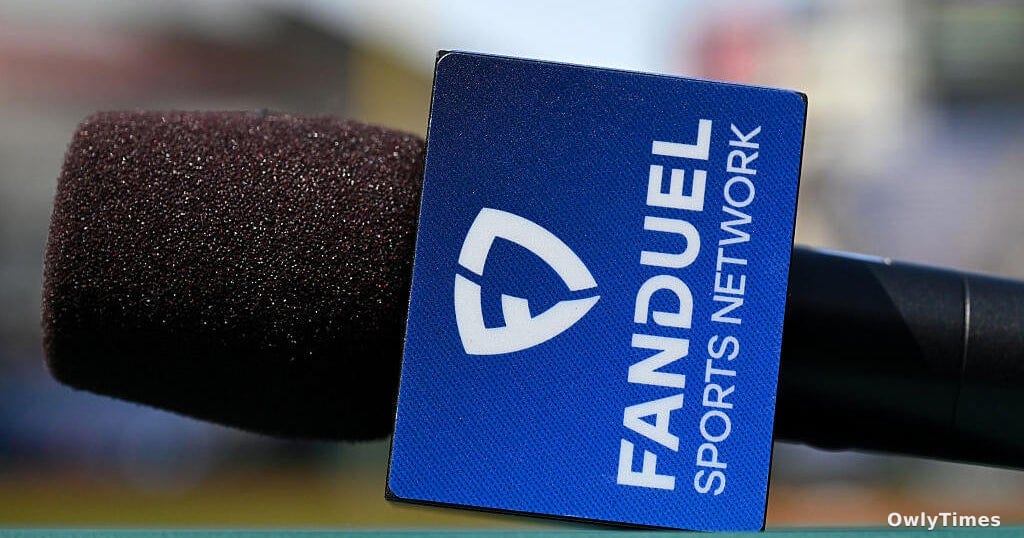

The chipped paint on the FanDuel Sports Network microphone, captured in a photo from last April’s Royals-Guardians game, feels like a premonition now. A symbol of a broadcast dream slowly dissolving. Today, David Preschlack, CEO of Main Street Sports Group – the parent company of FanDuel Sports Network – announced the impending layoffs of 74 employees in metro Atlanta, effectively shuttering the network’s local offices. It’s a gut punch not just for those losing their jobs, but a stark illustration of the turbulent, and increasingly fractured, world of regional sports broadcasting. This isn’t simply a business story; it’s a reflection of how quickly loyalties shift, and how vulnerable even established institutions are when caught between the evolving appetites of fans and the relentless pressures of the streaming age.
The Domino Effect: From Diamond Sports to FanDuel’s Fall
The story begins, of course, with Diamond Sports Group. Last year, Diamond emerged from Chapter 11 bankruptcy, rebranded as Main Street Sports Group, and attempted a revival with the FanDuel name attached. The logic seemed sound: leverage the FanDuel brand recognition, a powerhouse in the sports betting world, to attract viewers and stabilize a network hemorrhaging subscribers. But the rebranding couldn’t mask the underlying issues. The core problem wasn’t the name on the building, it was the escalating cost of sports rights and the dwindling number of cable subscribers willing to pay for them. The gamble on FanDuel, a $100 million investment, ultimately failed to deliver the promised returns. Now, the network is scaling back, and the ripple effects are being felt acutely in Atlanta.
This piece references the CBS News report.
Braves Broadcasting: A Team Left Scrambling
The immediate catalyst for this latest crisis? The Atlanta Braves. Weeks ago, the team terminated its agreement with FanDuel Sports Network after alleging they hadn’t received scheduled rights payments. The Braves, in a statement, expressed disappointment but insisted they were “well on our way towards launching a new era in Braves broadcasting.” That “new era” is now unfolding under a cloud of uncertainty. While the team is actively seeking alternative broadcast partners, the situation highlights a growing trend: teams are increasingly willing to take control of their broadcasting rights, bypassing regional networks altogether. Major League Baseball has already stepped in to broadcast games for other teams who severed ties with FanDuel, a move that signals a potential long-term shift in power dynamics. This isn’t just about where fans watch the game; it’s about who controls the narrative, and the revenue stream that comes with it.
Beyond the WARN Notice: The Human Cost of Disruption
The WARN notice, legally required to inform employees of mass layoffs, feels clinical in its language. 74 jobs lost – 100% of the staff at the affected locations. But behind those numbers are families, mortgages, and careers built on a promise of stability. The statement from Preschlack attempts a note of reassurance, claiming the network will continue broadcasting NBA and NHL games and that the WARN notices “can be revoked at any time.” However, the phrasing feels carefully calibrated, offering a sliver of hope while simultaneously preparing employees for the worst. This situation underscores a broader anxiety within the media landscape: the relentless pursuit of profitability often comes at the expense of those doing the work. The promise of a “transparent and fair treatment” rings hollow when the foundation of their employment is crumbling.
The Future of Regional Sports: A Streaming Question Mark
The collapse of the FanDuel Sports Network experiment isn’t an isolated incident. It’s part of a larger reckoning for regional sports networks, grappling with cord-cutting, rising rights fees, and the rise of streaming services. The question now isn’t if more networks will falter, but how the future of regional sports broadcasting will be reshaped. Will teams continue to bring broadcasting in-house, creating their own streaming platforms? Will major streaming services like Apple or Amazon step in to fill the void, offering comprehensive regional sports packages? Or will we see a further fragmentation of the market, with fans forced to subscribe to a patchwork of services to follow their favorite teams? The Braves’ situation is a microcosm of this larger uncertainty. As they navigate their broadcasting future, they’ll be setting a precedent for other teams – and potentially defining the viewing experience for a generation of fans. The real game isn’t happening on the field; it’s the one unfolding behind the scenes, determining who gets to tell the story, and at what cost.

