
Is Amazon finally admitting defeat in the streaming wars? Not exactly, but the company’s recent overhaul of the Fire TV interface, unveiled at CES 2026 and now rolling out to US users, feels less like innovation and more like a carefully calculated surrender. The real story here isn't a fresh vision for home entertainment – it's Amazon acknowledging that Google TV cracked the code for navigating the overwhelming chaos of modern streaming, and deciding imitation is the most efficient path forward. For years, Amazon stubbornly clung to a clunky, ad-heavy interface that prioritized pushing Amazon content above all else, often to the frustration of its users. Now, suddenly, things look…familiar.
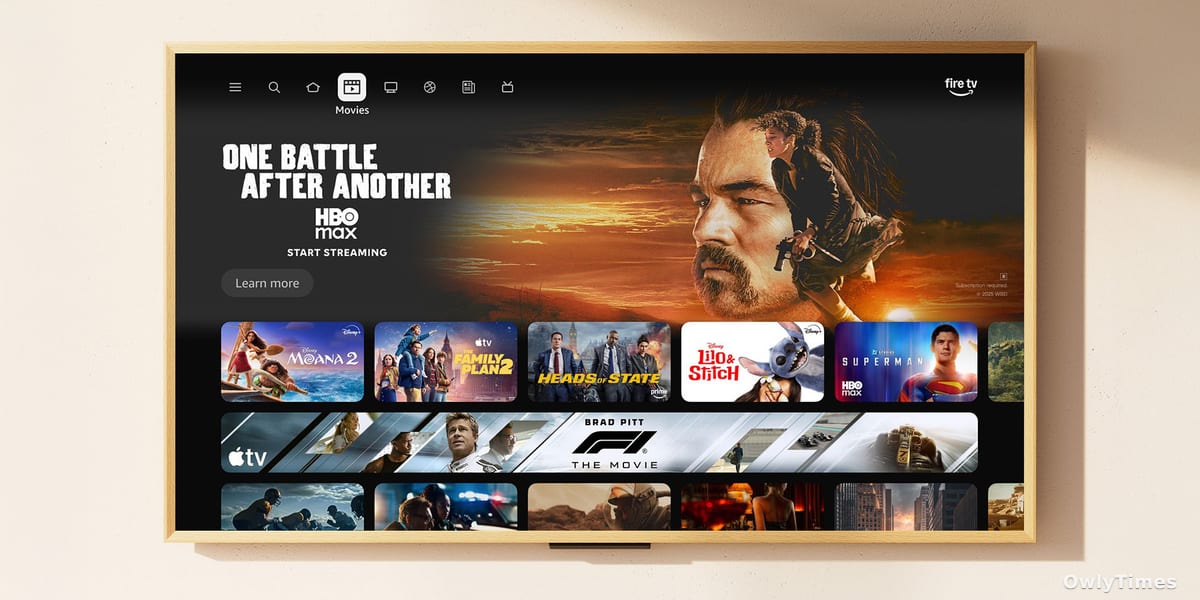
The redesign, hitting Fire TV Stick 4K Plus, Fire TV Stick 4K Max (2nd Gen), and Fire TV Omni Series Mini-LED TVs first, with a broader rollout promised this “Spring,” is strikingly similar to Google TV. Top navigation, featured content dominating the main screen, personalized recommendations, and a scrolling app row – it’s a near carbon copy. Amazon representatives confirmed the rollout to TechCrunch and Engadget, but offered no explanation for the uncanny resemblance. This isn’t a subtle influence; it’s a wholesale adoption of a competitor’s design language. And while Amazon claims the goal is a “cleaner, faster, and better organized” experience, the timing suggests a more pragmatic motivation.
This article draws on reporting from 9to5Google.
This shift isn’t happening in a vacuum. The streaming landscape is increasingly fragmented, with services multiplying and subscription fatigue setting in. Users aren’t necessarily loyal to platforms; they’re loyal to convenience. Google TV understood this, prioritizing content discovery across services, not just within its own ecosystem. Amazon’s previous interface, by contrast, felt like being constantly steered towards Prime Video and Amazon Channels, even if you weren’t interested. The average Fire TV user, according to internal Amazon data leaked last year, spent 17% of their viewing time navigating the interface itself – a staggering figure that highlights the previous system’s inefficiency. This redesign is an attempt to claw back that lost viewing time, even if it means sacrificing brand identity.
But the move isn’t without its ironies. While mimicking Google TV’s aesthetic, Amazon is simultaneously tightening its grip on the Fire TV ecosystem. Recent reports indicate the company is actively blocking the installation of some sideloaded apps, effectively limiting user customization and control. This is a classic Amazon play: offer a veneer of user-friendliness while subtly reinforcing its walled garden. The company is betting that most users won’t notice – or care – about the loss of sideloading capabilities, as long as the interface is easier to navigate. This is a dangerous assumption, particularly for the tech-savvy users who were early adopters of Fire TV.
The implications extend beyond Amazon and Google. This redesign signals a broader trend in the streaming industry: the realization that user experience is paramount. The battle for eyeballs isn’t just about content; it’s about making that content accessible. Nvidia’s recent partnership with Amazon to bring GeForce Now’s cloud gaming library to Fire TV Sticks further underscores this point – it’s about expanding the functionality of the device, not just promoting Amazon’s own services. The question now is whether this aesthetic shift will be enough to revitalize Fire TV, or if users will simply see it as a belated attempt to catch up.
Here’s what I predict: by the end of 2026, we’ll see Amazon quietly begin integrating more aggressive advertising within the newly streamlined interface, attempting to monetize the improved user experience. The initial goodwill generated by the redesign will be tested, and Amazon will be forced to walk a tightrope between revenue generation and user satisfaction. Watch closely for a surge in complaints about intrusive ads – that will be the true measure of whether Amazon has learned anything from Google’s success.