
Is Google deliberately trying to frustrate its users? The slow, quiet dismantling of beloved apps like the Google Weather app – a casualty announced February 20, 2026, after initial reports from 9to5Google in November – isn’t about improving the experience. It’s about something far more cynical. The real story here isn't a weather app disappearing; it's Google signaling that loyalty means nothing in the face of quarterly earnings. For years, users have tolerated Google’s experimental nature, its tendency to launch, abandon, and occasionally resurrect products. But the consistent pattern of sunsetting functional, popular apps feels less like product evolution and more like a calculated erosion of user goodwill.
The Froggy Farewell and the Rise of Search
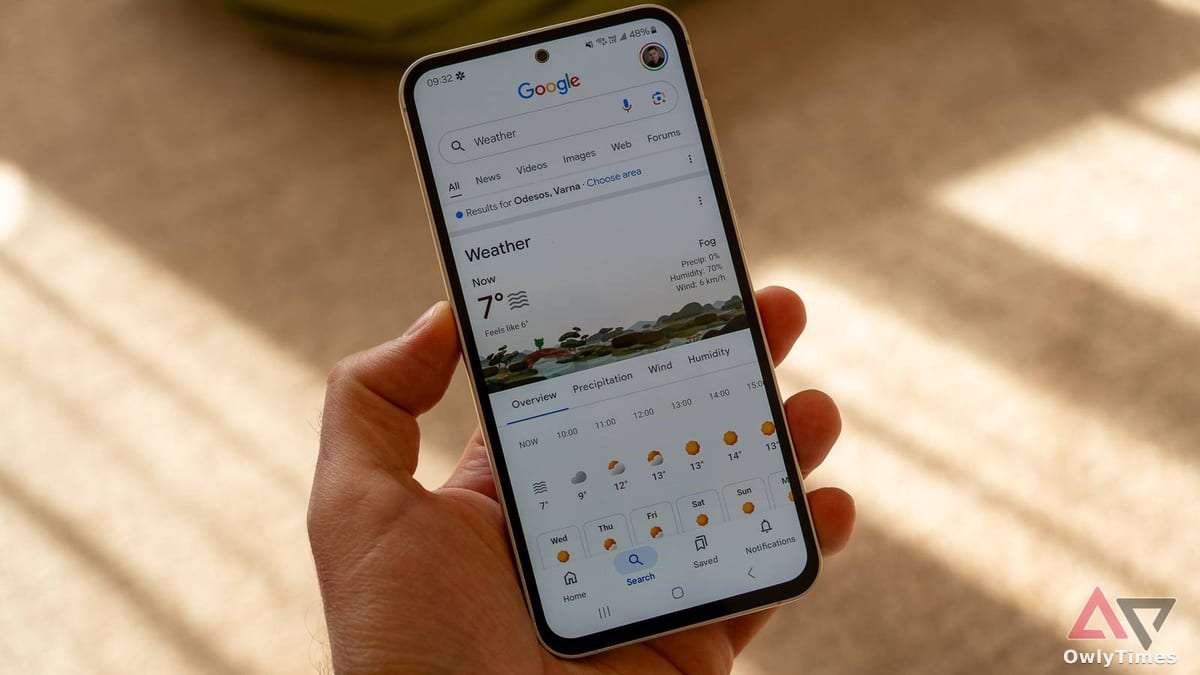
For those unfamiliar, the Google Weather app wasn’t just a functional tool; it was a quirky delight. The animated illustrations, particularly the charming “Froggy” character, gave it personality that set it apart from the sterile interfaces of competitors. Timi, a tech writer for over a decade, accurately notes the app’s “ups and downs,” but even its imperfections fostered a dedicated user base. Now, tapping the Weather app on Android will simply redirect users to Google Search’s weather results – a perfectly adequate, but utterly soulless, experience. This isn’t an upgrade; it’s consolidation. Google is effectively absorbing a standalone app into a broader, data-rich environment where user behavior can be more thoroughly tracked and monetized.
Cost Cutting or a Broader Strategy?
Google’s official explanation, or lack thereof, leans heavily on cost savings. Maintaining apps, even successful ones, requires resources. As Timi points out, “despite Google’s wealth and resources, it still costs money to maintain all of its apps and services.” But framing this as purely a financial decision feels disingenuous. In 2025, Google reported a net income of $73.8 billion – a 14% increase year-over-year. While cost management is always prudent, sacrificing user-friendly apps to marginally improve profit margins sends a clear message: user experience is secondary. The move also aligns with a broader trend within Google, and across Silicon Valley, of prioritizing AI-driven services over dedicated applications. The Search integration is a testing ground, a way to funnel weather-related queries into AI models and refine their predictive capabilities.
Reporting from androidpolice.com informs this analysis.
What This Means for the Average User
This isn’t just about losing a cute frog. It’s about the increasing precarity of digital ownership. We’ve become accustomed to subscribing to services, not owning applications. Google’s actions reinforce this model, reminding us that access can be revoked at any time. For casual users, the shift to Search might be seamless. The information – temperature, hourly forecasts, precipitation – remains accessible. But for power users, those who relied on the app’s specific features or appreciated its dedicated interface, it’s a loss. And it’s a loss that foreshadows more to come. The proliferation of alternative weather apps, as Timi notes, is a testament to user demand, but it also highlights the fragmented nature of the Android ecosystem – a problem Google is actively exacerbating.
The Future of App Loyalty
The Google Weather app’s demise isn’t an isolated incident. It’s a symptom of a larger problem: the diminishing value of user loyalty in the tech industry. Google is betting that users will accept these incremental degradations in exchange for the convenience of its broader ecosystem. But there’s a breaking point. The question isn’t if users will eventually push back, but when. Watch closely for a surge in adoption of third-party apps, not just for weather, but across all categories. And more importantly, watch for a growing user demand for data portability and true digital ownership – the ability to take your data and preferences with you, regardless of which platform you choose. By 2028, I predict we’ll see a significant legislative push for “app divorce” rights, forcing tech giants like Google to relinquish control and allow users to seamlessly migrate their digital lives.