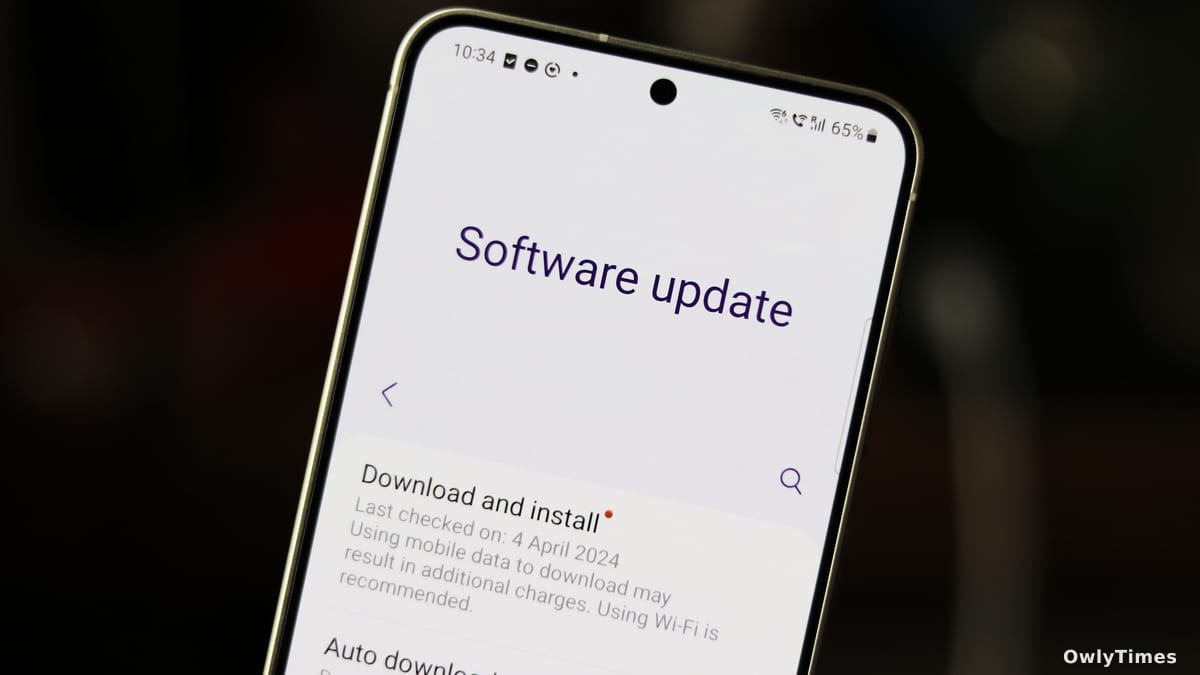

Is your phone actually yours, or is it just running on someone else’s schedule? We obsess over the big Android version numbers – the flashy One UI 8.5, the distant promise of Android 17 – but the quiet, constant work happening under the hood, courtesy of Google Play System updates, is what truly dictates your daily experience. And for months, Samsung Galaxy users have been stuck in the digital slow lane. The real story here isn't Samsung’s upcoming One UI 9.0, it’s Google finally acknowledging a significant lag in delivering critical system components to one of its largest Android partners.
For context, Google doesn’t just hand Samsung a finished Android build and walk away. They push ongoing updates through the Google Play System, patching vulnerabilities, improving core functionality like the WebView rendering engine, and quietly enhancing services like Google Pay. These aren’t optional features; they’re the plumbing that keeps everything running smoothly. As Abid Iqbal Shaik of SamMobile pointed out in December 2025, many Galaxy devices were still operating with the July 1, 2025, version of this system – a five-month gap in critical updates. That’s an eternity in cybersecurity, and a frustrating experience for users who expect consistent protection.
Original reporting: sammobile.com.
The January Update: A Patch, Not a Revolution
The arrival of the January 1, 2026, Google Play System update – a modest 90MB download on devices like the Galaxy S23 – isn’t a cause for celebration, exactly. It’s a correction. According to Google, this update bundles improvements to Android WebView, Google Play Services, Account Management, Security & Privacy, Utilities, Wallet, the Google Play Store, Android System Intelligence, and Private Compute Services. The sheer breadth of these components highlights how deeply Google’s system touches nearly every aspect of your phone’s operation. But let’s be clear: this isn’t a feature drop. It’s Google finally catching up on routine maintenance.
The delay wasn’t a technical impossibility. Samsung routinely pushes its own substantial software updates to Galaxy devices, proving the infrastructure exists. The issue appears to be a bottleneck in the coordination between Google and Samsung’s update pipelines. This isn’t just about security; outdated Google Play System components can lead to app crashes, performance issues, and compatibility problems. The average user won’t connect these problems to a delayed system update, they’ll just assume their phone is “getting old.”
Samsung’s Two-Track Update Strategy: A Source of Confusion
Samsung’s approach to software updates is already complex. They deliver major One UI updates (like the upcoming 8.5 based on Android 16 QPR2) with new features and a revamped interface, and regular security patches. Adding Google Play System updates into the mix creates a three-tiered system that’s confusing for consumers. While Samsung is actively developing One UI 9.0, based on Android 17, the immediate impact of these smaller, Google-driven updates is arguably more significant for everyday usability.
This layered approach also raises questions about responsibility. When something goes wrong – an app malfunctions, a security vulnerability is exploited – whose fault is it? Is it a bug in Samsung’s One UI, a flaw in Google’s core services, or a conflict between the two? The lack of transparency around these updates makes it difficult for users to understand what’s happening under the hood and hold the right party accountable.
Beyond the Update: The Power Dynamic at Play
The delay in Google Play System updates for Galaxy phones isn’t just a technical glitch; it’s a symptom of a larger power dynamic within the Android ecosystem. Google relies on manufacturers like Samsung to distribute its updates, but Samsung has its own priorities – customization, feature development, and maintaining control over the user experience. This tension is inevitable, but it highlights the inherent fragmentation of Android. Apple, by controlling both the hardware and software, avoids this issue entirely.
The fact that tipster 정성현 flagged this issue to SamMobile underscores the importance of independent reporting and community involvement in holding tech companies accountable. Without scrutiny, these kinds of delays can become normalized, and users are left in the dark.
Looking ahead, expect Google to exert more pressure on Samsung (and other manufacturers) to streamline the Google Play System update process. The company will likely introduce stricter requirements for update delivery, potentially tying access to certain features or services to timely updates. The question isn’t if Google will tighten its grip, but how aggressively they’ll do so – and whether Samsung will push back, potentially jeopardizing its position as a leading Android vendor. Watch closely for any announcements regarding Google’s update certification program in the second half of 2026; that’s where the real battle for control of the Android experience will be fought.