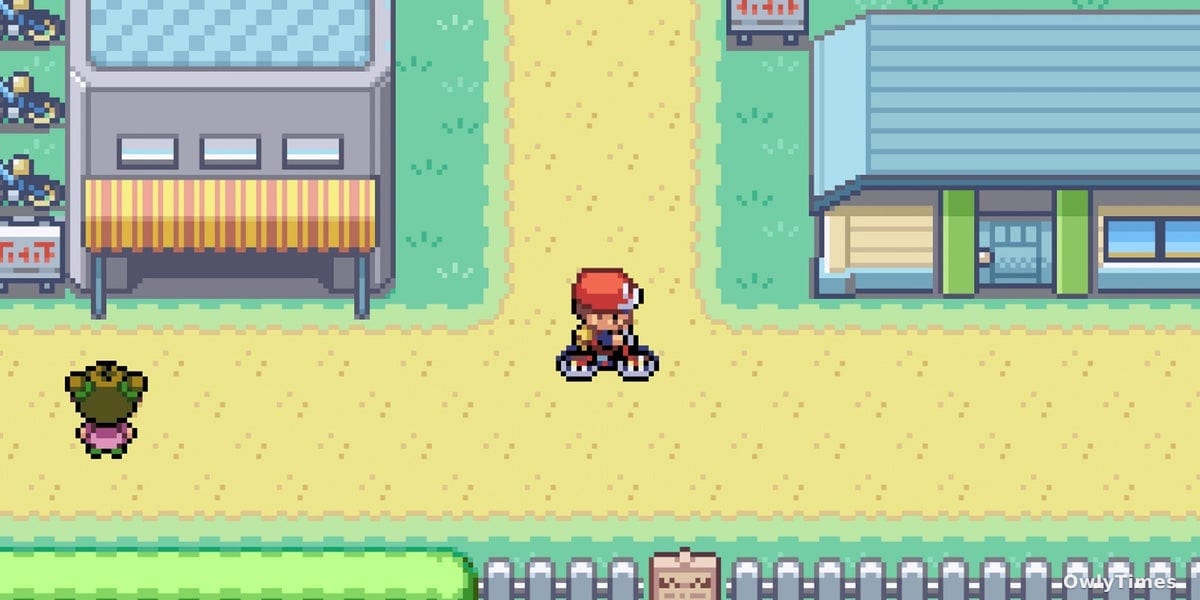

Is nostalgia now a paywall? That’s the question simmering beneath the surface of Nintendo’s recent decision to re-release Pokémon FireRed and LeafGreen on the Switch, not as part of the Nintendo Switch Online service, but as individual, full-priced purchases at £16.99 each. The initial announcement felt…underwhelming, even for Pokémon, a franchise built on incremental updates and carefully managed fan expectations. But the subsequent removal of promised functionality reveals a deeper, more troubling trend: the commodification of access, even to the games we already feel like we own a piece of. The real story here isn't the return of Kanto – it's Nintendo’s increasingly aggressive strategy of monetizing every possible facet of the Pokémon experience, and the quiet erosion of value for the consumer.
A 30th Anniversary That Feels Like a Cash Grab
The timing is particularly galling. FireRed and LeafGreen are being re-released to celebrate the 30th anniversary of the Pokémon franchise. Anniversaries are typically moments for generosity, for acknowledging the fans who built a brand. Instead, Nintendo and The Pokémon Company opted to skip the established Nintendo Switch Online model – a service many subscribers pay for precisely to access classic titles – and charge players a combined £34 for essentially the same Game Boy Advance experience. This isn’t restoration; it’s repackaging. And it’s happening at a moment when the gaming industry is already facing intense scrutiny over pricing and “remaster” quality. The lack of any substantial upgrades – no enhanced graphics, no online trading, only local wireless connectivity – only amplifies the feeling of being nickel-and-dimed.
Based on the original eurogamer.net report.
The Vanishing Promise of Pokémon Home
Initially, a sliver of justification emerged: support for Pokémon Home, the cloud-based Pokémon storage service. This would have allowed players to seamlessly transfer their Pokémon between generations, a feature highly valued by dedicated fans. It was the one genuinely new element, and a compelling reason to consider the purchase. But now, as eagle-eyed fans noticed, mentions of Pokémon Home integration have been quietly removed from the eShop listings. Nintendo’s explanation – that the announcement was premature or contingent on development – feels flimsy. It suggests a lack of internal coordination, or worse, a deliberate strategy of overpromising and underdelivering. The fact that FireRed and LeafGreen are still topping the eShop charts despite this uncertainty speaks volumes about the power of the Pokémon brand, and the willingness of fans to accept increasingly questionable value propositions.
The Language Lock-In and the Cost of Convenience
The details are almost insultingly stingy. Each version of the game – and you need both to complete the Pokédex, naturally – is locked to a single language. Choose carefully, because there’s no option to switch. This isn’t a technical limitation; it’s a deliberate restriction designed to encourage multiple purchases. It’s a tactic reminiscent of region-locking on physical cartridges, a practice largely abandoned years ago. The price point itself is also significant. £16.99 is roughly equivalent to $20, placing these GBA ports in the same price bracket as many fully-fledged indie titles offering significantly more content and innovation. The average price of a game on the Nintendo eShop is around £40, so while not the most expensive, the value proposition is severely skewed.
What This Means for the Future of Retro Gaming
This isn’t just about Pokémon FireRed and LeafGreen. It’s a bellwether for how Nintendo – and potentially other publishers – will approach retro gaming in the future. The company is signaling that nostalgia isn’t a gift to be shared, but an asset to be exploited. The removal of Pokémon Home support, coupled with the high price and limited features, suggests a willingness to prioritize short-term profits over long-term fan goodwill. The success of these re-releases, despite the controversy, will embolden Nintendo to continue down this path. Expect to see more classic titles repackaged with minimal improvements and maximum price tags, and fewer opportunities for access through subscription services like Nintendo Switch Online. The question isn’t if this will happen again, but when. And the next time, the outrage might not be enough to force a reversal.
Here’s what to watch for: the Pokémon Presents stream scheduled for later this month. Will Nintendo address the Pokémon Home situation directly? Will they announce any additional features to justify the price? Or will they simply double down on the existing strategy, betting that the Pokémon fanbase will continue to pay the premium for a trip down memory lane, no matter how expensive the ticket?