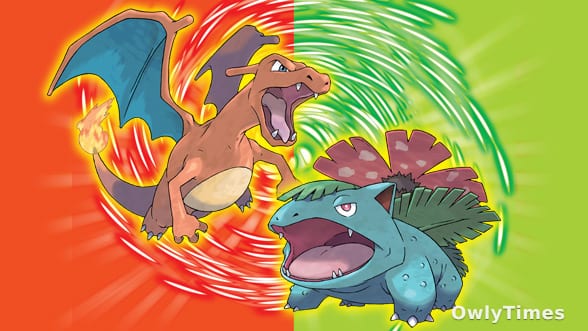

The chipped plastic of a Game Boy Advance, warmed by hours of frantic button-mashing, feels impossibly distant. Yet, for a generation raised on pixelated Pokémon, the memory is vivid. Now, that nostalgia is being deliberately, strategically, rekindled. Listings for Pokémon FireRed and Pokémon LeafGreen have quietly appeared on the Nintendo eShop, slated for release on February 27, 2026, priced at $19.99 each. It’s not just a re-release; it’s a calculated move by Nintendo to tap into a powerful cultural current – the relentless, and remarkably lucrative, pull of retro gaming. But beyond the headlines of returning classics, this launch reveals a fascinating tension within the Pokémon Company’s strategy, and a potential glimpse into the future of how we consume these enduring franchises.
The Long Game of Nostalgia Marketing
The timing isn’t accidental. 2026 marks the 30th anniversary of the Pokémon franchise, and Nintendo is clearly leaning into celebratory releases. However, the choice of FireRed and LeafGreen – enhanced remakes of the original Red and Blue – is particularly astute. These weren’t just games; they were the gateway for many players, offering a polished, expanded experience of the Kanto region that defined an era. The original Red and Blue sold over 31.38 million copies worldwide, and FireRed and LeafGreen followed closely behind with 12 million copies sold. Re-releasing these titles allows Nintendo to capitalize on that established affection, offering a familiar experience to veteran players while introducing a new generation to the roots of the phenomenon. The inclusion of the Sevii Islands, previously exclusive to these remakes, adds a small but significant incentive for even those who’ve played before.
This piece references the nintendoeverything.com report.
A Curious Digital-First Approach
What’s immediately striking is the release strategy. Currently, the listings are only visible within the eShop on Nintendo Switch and, notably, the Nintendo Switch 2 (suggesting compatibility with the upcoming console), and haven’t been officially announced on Nintendo’s website or through the Nintendo Store app. This digital-first approach is a departure from previous Pokémon releases, which often receive prominent physical editions. The exception, of course, is Japan, where a deluxe physical edition – complete with replica Game Boy Advance boxes and a glass Poké Ball set – has already been announced. This disparity highlights a clear prioritization of the North American and European markets as primarily digital consumers, while acknowledging the enduring appeal of physical collectibles in Japan. It’s a segmented strategy, acknowledging that “nostalgia” means different things to different audiences.
Wireless Connections in a Hyper-Connected World
The promise of local wireless play feels almost… quaint in 2024. In an age of global online battles and seamless trading, the idea of physically gathering with friends to connect via a local wireless signal feels like a deliberate throwback. Nintendo is leaning into the communal aspect of early Pokémon experiences, reminding players of the joy of face-to-face competition and collaboration. The delayed implementation of Pokémon HOME support – the cloud-based storage and trading service – further emphasizes this phased approach. It’s as if Nintendo is intentionally slowing down the integration of modern features, allowing players to savor the more deliberate, localized experience first. This is a smart move, given the criticisms leveled at some recent Pokémon games for feeling overly reliant on online connectivity and lacking the charm of the originals.
Beyond the eShop Listing: What Does This Mean?
The limited information surrounding this release is itself telling. The identical descriptions for both games, with only the title swapped, suggest a streamlined development process – a cost-effective way to capitalize on existing assets. This isn’t about groundbreaking innovation; it’s about delivering a beloved experience to a hungry audience with minimal risk. But the bigger question is: what does this signal about the future of Pokémon? Is Nintendo signaling a shift towards more frequent remakes and re-releases, prioritizing nostalgia over entirely new experiences? Or is this a strategic pause, allowing them to refine their approach before embarking on more ambitious projects? The fact that the listings appeared before a formal announcement suggests a potential leak, or a deliberate soft launch to gauge public reaction. Either way, the Pokémon Company is watching closely.
The success of FireRed and LeafGreen on the Switch won’t just be measured in sales figures. It will be a test of how effectively Nintendo can balance the demands of a modern gaming audience with the enduring power of retro nostalgia. Will players embrace the simplicity of these classic titles, or will they demand more expansive features and online connectivity? And, crucially, will the absence of a widespread physical release in Western markets limit the reach of this re-release, or will the digital-first approach prove to be a winning strategy? The answers to these questions will shape the future of the Pokémon franchise for years to come.