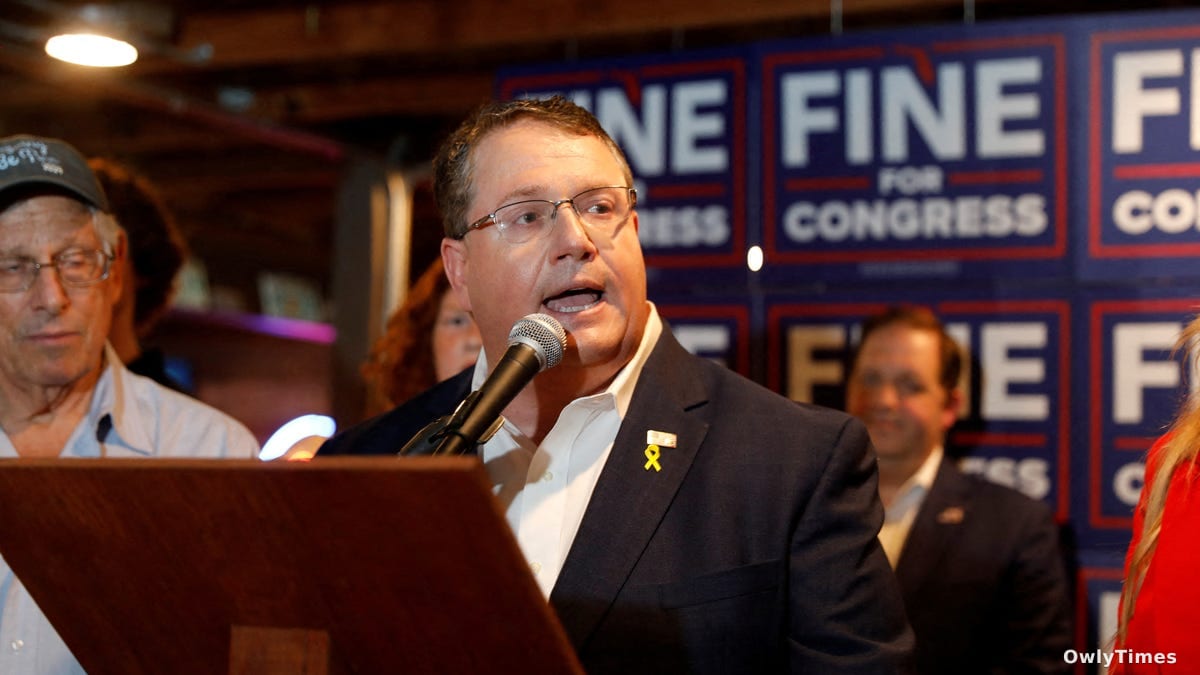

The Calculus of Outrage: Randy Fine and the Weaponization of Identity Politics
The immediate uproar surrounding Randy Fine’s comments equating a preference for dogs over Muslims isn’t about a single, isolated statement. It’s a calculated escalation of a long-running strategy: the deliberate deployment of inflammatory rhetoric to consolidate a specific base and force a reaction from opponents, thereby defining the terms of the ensuing debate. Fine’s initial post, responding to a pro-Palestinian activist’s remark about dogs, wasn’t a spontaneous outburst, but a provocation designed to test the boundaries of acceptable discourse and gauge the response from both sides of the political spectrum. The fact that he then amplified the outrage by reposting condemnations alongside a defiant “Don’t Tread on Me” flag signals a willingness to embrace the controversy, even thrive within it.
Who benefits and who loses in this scenario is immediately apparent. Fine’s core constituency – those already predisposed to anti-Muslim sentiment or distrustful of progressive activism – are likely to view his comments as a courageous defense of their values. This reinforces his standing within that group and potentially increases fundraising and volunteer efforts. Conversely, Fine has alienated moderate voters, jeopardized potential bipartisan collaborations, and provided ammunition for Democrats to paint the Republican party as harboring extremist elements. The swift and forceful condemnation from figures like Hakeem Jeffries, Alexandria Ocasio-Cortez, and even Megyn Kelly demonstrates the broad-based rejection of his rhetoric, but also inadvertently elevates his profile and message. The cost of attention, in this case, is a further normalization of divisive language.
This isn’t a new tactic. Throughout American history, politicians have strategically employed appeals to prejudice and fear to mobilize support. The Know-Nothing movement of the mid-19th century, for example, leveraged anti-immigrant sentiment to gain political power, demonizing Catholics and other religious groups. More recently, the rhetoric surrounding the “war on terror” after 9/11 was often used to justify discriminatory policies and fuel Islamophobia. Fine’s comments, while shocking in their directness, operate within this established pattern. His self-proclaimed moniker, the “Hebrew Hammer,” further complicates the narrative, positioning him as a defender of one minority group while simultaneously attacking another – a tactic that attempts to deflect accusations of bigotry while reinforcing a sense of tribalism. The timing, amidst heightened tensions surrounding the Israel-Hamas conflict, is also crucial; the comments tap into existing anxieties and grievances.
Source material: USA Today.
The response from Democratic leadership is equally revealing. Jeffries’s forceful denunciation and call for accountability aren’t simply moral outrage; they are a strategic attempt to draw a clear contrast between the Democratic party’s commitment to inclusivity and the perceived extremism of the Republican party. The demand for censure and removal of committee assignments is a calculated move to pressure House Speaker Mike Johnson to take action, forcing him to either condemn Fine and risk alienating his base, or defend him and be seen as complicit in bigotry. Johnson’s silence thus far is itself a political calculation, attempting to navigate a delicate balance between appeasing the conservative wing of his party and avoiding further public backlash. The $64,000 question is whether this strategy of silence will prove sustainable.
Looking beyond the immediate fallout, the critical political chess move to watch is whether this incident will trigger a broader reassessment of acceptable rhetoric within the Republican party. Will Fine be isolated as an outlier, or will his comments be tacitly endorsed by others, signaling a shift towards more openly divisive language? The answer will reveal a great deal about the future direction of the party and the extent to which it is willing to prioritize political expediency over principles of inclusivity and respect. The next 72 hours will be crucial in determining whether this is a contained incident or the opening salvo in a wider cultural and political war.





