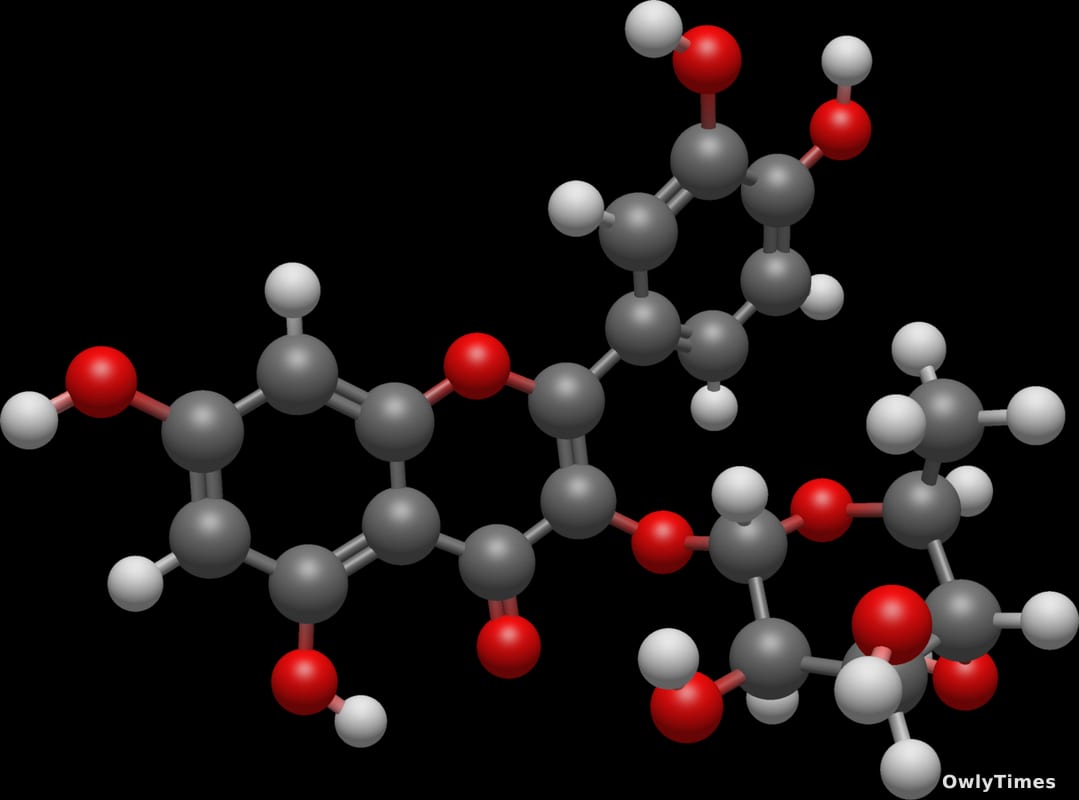

The persistent advice to “eat the rainbow” isn’t simply aesthetic encouragement; it reflects a growing understanding of the profound health benefits locked within the vibrant colors of plant-based foods. While we’ve long known fruits and vegetables are vital for vitamins and minerals, a deeper dive into compounds called flavonoids is revealing a far more nuanced picture of how these foods protect and enhance our well-being. Recent attention, however, often leaps to claims of miracle cures – a pattern we’re seeing with many nutritional discoveries – and it’s crucial to understand what the science actually shows about flavonoids, and where the current research stands.
Flavonoids are a diverse family of phytochemicals – naturally occurring plant chemicals – responsible for the reds, purples, yellows, and blues we see in everything from berries to onions. As Julia Zumpano, a registered dietitian with the Cleveland Clinic’s Center for Human Nutrition, explains, these compounds aren’t just pigments; they’re potent antioxidants. This antioxidant activity is the foundation of their health benefits, working to neutralize free radicals and reduce the chronic inflammation that underlies many serious diseases. It’s important to note that “antioxidant” isn’t a magic bullet; the body needs a balance, and excessive antioxidant intake can sometimes be counterproductive. But in the context of a whole-food, plant-rich diet, flavonoids appear to play a protective role.
The specific benefits attributed to flavonoids are wide-ranging. Research suggests they can discourage cancer cell growth, improve cardiovascular health by relaxing blood vessels and preventing clots, and even enhance cognitive function by reducing neuro-inflammation and improving blood flow to the brain. These aren’t isolated findings; the consistent link between the Mediterranean diet – naturally high in flavonoid-rich foods – and longevity underscores the potential impact of these compounds. However, the research is often observational, meaning it identifies correlations, not causations. For example, studies show people who eat more blueberries tend to have lower blood pressure, but that doesn’t definitively prove blueberries cause the lower blood pressure – those individuals may also have other healthy habits.
The classification of flavonoids themselves is complex, broken down into subclasses like anthocyanins (found in berries, responsible for purple hues), flavanones (in citrus fruits, yellow and orange), and isoflavones (in soybeans, pale yellow). Understanding these distinctions is important because different flavonoids may exert different effects. USDA data highlights blueberries as particularly rich in anthocyanidins, linked to heart health and neurological protection, while parsley boasts the highest concentration of flavones, offering robust cellular protection. Red cabbage, cherries, oranges, onions, apples, red grapes, and edamame also stand out as excellent sources, each contributing a unique profile of these beneficial compounds. This diversity is precisely why the “eat the rainbow” advice is so valuable – maximizing flavonoid intake requires variety.
This piece references the today.com report.
Despite the promising research, several limitations to consider remain. Much of the existing data comes from in vitro (test tube) and animal studies, which don’t always translate directly to human physiology. Human trials are often smaller in scale and shorter in duration, making it difficult to draw definitive conclusions. Furthermore, bioavailability – how well the body absorbs and utilizes flavonoids – varies significantly depending on the food matrix, individual gut health, and even how the food is prepared. The recommendation to prioritize whole foods over supplements is therefore crucial; supplements often contain isolated flavonoids, lacking the synergistic benefits of the other nutrients present in whole plants. Zumpano rightly cautions against relying on supplements, emphasizing that a varied diet provides a broader spectrum of essential nutrients.
Looking ahead, researchers are focusing on several key areas. Larger, long-term human trials are needed to confirm the observed benefits and establish optimal intake levels for different flavonoid subclasses. Investigating the role of the gut microbiome in flavonoid metabolism is also critical, as gut bacteria play a significant role in breaking down and absorbing these compounds. Finally, personalized nutrition approaches – tailoring dietary recommendations based on an individual’s genetic makeup and gut microbiome – may unlock the full potential of flavonoids. The question now isn’t simply if flavonoids are beneficial, but for whom, and in what context are they most effective? As we refine our understanding of these powerful plant chemicals, we can move beyond generalized advice and towards truly targeted nutritional strategies.





