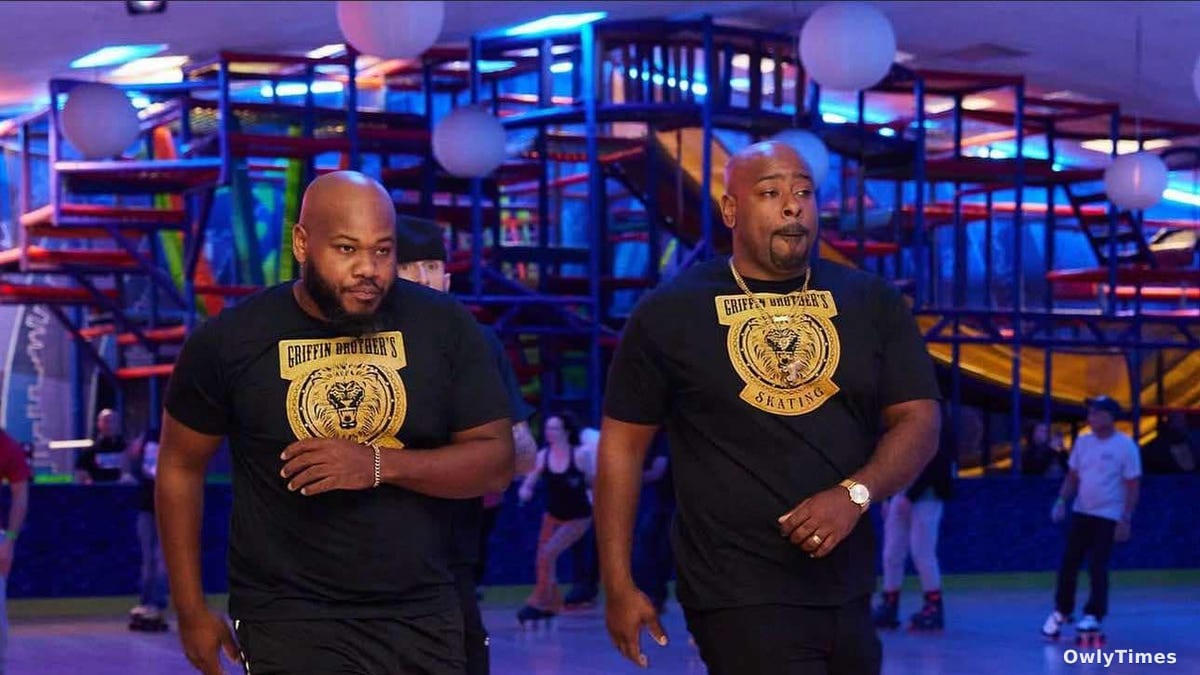

The bass throbbed, a familiar pulse even through the worn floorboards of the Newark roller rink. Not the slick, neon-lit arenas of today, but a place smelling of polished wood and teenage dreams. This is where Marcus and Michael Griffin honed their craft, a craft that would eventually land them segments on CNN’s “New Year’s Eve Live” alongside Anderson Cooper and Andy Cohen, helping the nation glide into 2024. It’s a story that, on the surface, feels like a delightful anomaly – two Delaware men, working day jobs in carpet restoration and truck driving, becoming viral sensations with synchronized skating videos. But beyond the headlines of TikTok fame and national television appearances lies a potent reflection of our collective yearning for nostalgia, authenticity, and a little bit of joy in a relentlessly digital world.
The Griffin Brothers’ ascent isn’t just about impressive skating skills set to the sounds of Freestyle and Lisa Lisa and Cult Jam. It’s about timing. While they first went viral in 2021, their continued success speaks to a broader “roller skating renaissance” sweeping the country. This isn’t a spontaneous revival; it’s a deliberate rejection of the hyper-polished, often isolating experiences offered by modern entertainment. Roller skating, with its inherent clumsiness, its communal spirit, and its deep roots in Black and Brown communities, offers something different. The Griffin Brothers, with nearly 1 million followers each on TikTok and Instagram, aren’t just performers; they’re curators of a feeling, a throwback to simpler times that resonates powerfully with a generation grappling with anxiety and uncertainty. Their success demonstrates a market hungry for genuine connection, even – and perhaps especially – when delivered through a screen.
Drawn from delawareonline.com.
This yearning for authenticity extends beyond the rink and into the realm of horror, as exemplified by Wilmington director Ti West. West’s recent film, “MaXXXine,” the third installment in his increasingly popular horror franchise, boasts a star-studded cast including Giancarlo Esposito, Halsey, Kevin Bacon, and Mia Goth. But the appeal isn’t solely based on celebrity wattage. West has tapped into a growing appetite for meticulously crafted, character-driven horror that feels both retro and refreshingly original. His films aren’t jump-scare reliant; they build tension through atmosphere and explore complex themes. This is a director who understands that audiences are craving more than just cheap thrills – they want stories that linger, that provoke thought, and that offer a visceral emotional experience. The fact that Halsey is now developing a dark comedy series with West for Amazon Prime Video further solidifies this trend: established stars are seeking out projects that prioritize artistic vision over formulaic success.
The preservation of cultural spaces and experiences is another thread weaving through Delaware’s “Most Influential.” Beverly Zimmermann, a tireless advocate for the arts in Wilmington, embodies this commitment. For 25 years, she’s been a behind-the-scenes force, coordinating events, volunteering her time, and ensuring that the city’s cultural landscape remains vibrant. Her current role as co-owner of The Screening Room at 1313, a beloved independent movie theater, is particularly crucial. In an era dominated by streaming services and multiplex chains, independent cinemas like The Screening Room offer a curated experience, a sense of community, and a platform for independent filmmakers. Zimmermann’s work isn’t glamorous, but it’s essential – she’s a guardian of the cultural soul of Wilmington.
This dedication to community extends to the revitalization of established institutions, as seen with Dan Dougherty’s work at Kelly’s Logan House. Taking over as general manager, Dougherty isn’t simply running a bar; he’s breathing new life into a historic landmark, prioritizing original music and fostering a welcoming atmosphere for both musicians and patrons. Similarly, Barry Schlecker’s continued leadership of the Brandywine Festival of the Arts ensures that this nationally recognized event remains a cornerstone of Delaware’s cultural calendar. These individuals aren’t just business owners; they’re stewards of place, recognizing the importance of preserving and enhancing the spaces that define a community.
Even in the realm of comedy, Delaware is making its mark. Ian Fidance, a comedian and podcaster now based in New York, is gaining national recognition, appearing on popular podcasts like “The Joe Rogan Experience” and building a substantial online following. Fidance’s success demonstrates that talent can flourish anywhere, and that a unique voice can cut through the noise of the digital landscape. His willingness to embrace his offbeat sensibility and connect with audiences on a personal level is a testament to the power of authenticity.
What connects these seemingly disparate stories – the skating brothers, the horror director, the arts advocate, the bar manager, the festival organizer, and the comedian – is a shared commitment to creating something meaningful, something that resonates with audiences on a deeper level. They represent a shift away from passive consumption and towards active participation, a desire for experiences that are both entertaining and enriching. As Delaware continues to navigate its evolving cultural landscape, the question isn’t simply what will be created, but who will be empowered to create it, and how will we ensure that these voices – and these spaces – continue to thrive? The 2026 “Most Influential” list will undoubtedly reveal further shifts, but the current snapshot suggests a community valuing not just success, but substance.