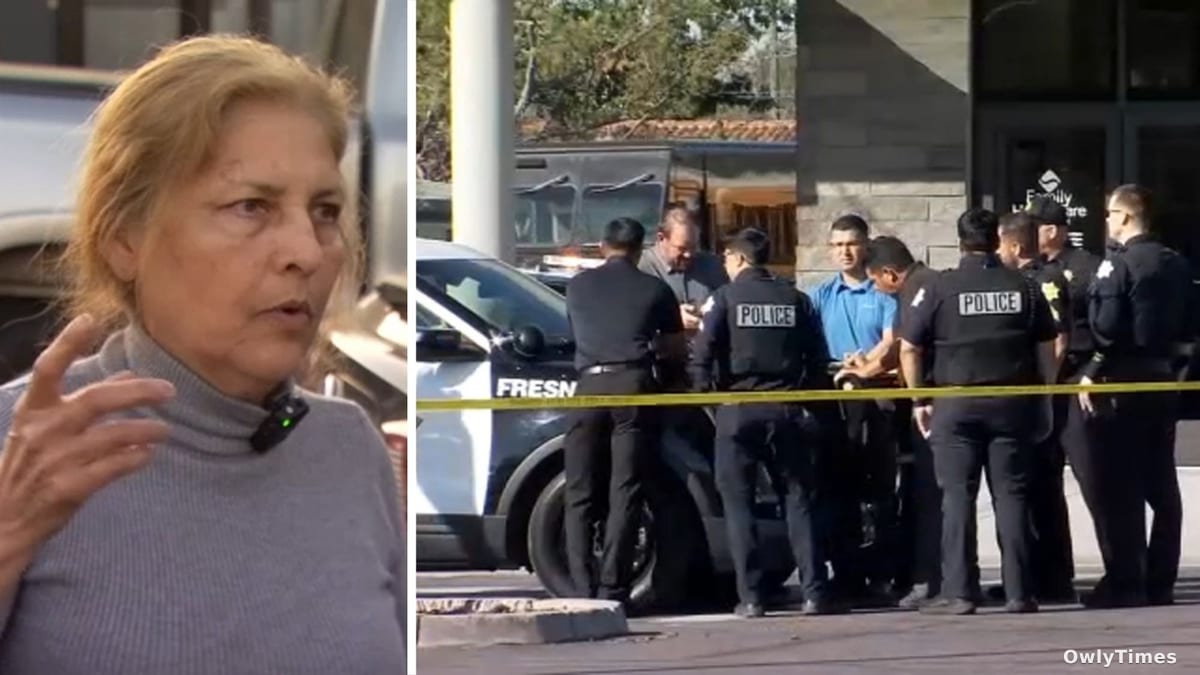

The immediate aftermath of a violent act often focuses on the ‘who’ and the ‘what’ – the suspect, the victim, the sequence of events. But the Fresno clinic shooting on February 27th, involving 69-year-old Bounlab Thammavong and a healthcare provider in her 30s, demands we ask a more difficult question: what factors contribute to the escalation of patient-provider interactions to this level of violence, and how can we proactively address them? While initial reports correctly identify this as a “targeted” attack, the nuance lies in understanding how a scheduled medical appointment became the setting for attempted murder, and what this reveals about the pressures within our healthcare system.
A Targeted Act, But Targeting Isn’t Random
Fresno Police Department Lieutenant Larry Bowlan stated the shooting “looks like this was some type of personal interaction between the patient and the employee that was targeted.” This is a crucial distinction. The term “targeted” often conjures images of premeditated, ideologically-driven attacks. Here, the evidence suggests a deeply personal grievance, stemming from an interaction within the healthcare context. Thammavong had been a patient at the Family Healthcare Network facility for a year and had a scheduled appointment on the day of the shooting. This wasn’t a random act of violence; it was a calculated escalation of a pre-existing conflict. Witness Maria Nava’s account – “I heard screaming, I heard four or five shots, and I saw so many people running” – underscores the suddenness and terror of the event, but doesn’t illuminate the underlying cause. The fact that the gun was found in the exam room itself suggests a deliberate intent to inflict harm within the confines of the medical setting.
Beyond Individual Grievances: Systemic Pressures
It’s tempting to frame this as an isolated incident, the result of one individual’s anger. However, healthcare workers are increasingly reporting rising levels of patient aggression, fueled by factors like long wait times, insurance complexities, and dissatisfaction with care. A 2023 survey by the American College of Emergency Physicians found that 88% of emergency physicians had experienced workplace violence, a 60% increase since 2018. While this incident didn’t occur in an emergency department, the trend is indicative of a broader problem. The healthcare system, often stretched thin and burdened by administrative hurdles, can inadvertently create environments where frustrations simmer and escalate. The victim, a healthcare provider, underwent emergency surgery and remains in critical but stable condition, a stark reminder of the physical toll these interactions can take.
This article draws on reporting from abc30.com.
The Absence of a Criminal History: A Complicating Factor
Perhaps the most unsettling aspect of this case is Thammavong’s lack of prior criminal history. This challenges the common assumption that violent offenders have a pattern of past aggression. It suggests that individuals who might not otherwise engage in criminal behavior can be driven to extreme acts when faced with perceived injustices or frustrations within the healthcare system. This isn’t to excuse the violence, but to highlight the importance of understanding the precipitating factors. Thammavong is now facing felony charges, including attempted murder, but the legal consequences do little to address the systemic issues that may have contributed to his actions. Family Healthcare Network President & CEO Kerry Hydash released a statement expressing support for the team member and their family, but the statement doesn’t address preventative measures.
Investigating the Interaction, and Beyond
The Fresno Police Department is continuing its investigation, seeking further information about the “personal interaction” that led to the shooting. This investigation must go beyond simply reconstructing the events of that day. It needs to explore the patient-provider relationship, the nature of any prior complaints or concerns, and the broader context of care provided to Thammavong. More importantly, this incident should prompt a wider conversation about de-escalation training for healthcare workers, improved mental health support for both patients and providers, and a critical examination of the systemic factors that contribute to patient frustration and aggression. We need to ask: what proactive measures can healthcare facilities implement to identify and address potential conflicts before they escalate to violence? And, crucially, how can we ensure that healthcare workers feel safe and supported in their roles, knowing they are providing essential care in an increasingly volatile environment?





