
Is the future of tech just a faster route to obsolescence? We’re obsessed with the new – the foldable phones, the AI assistants, the metaverse promises – but rarely stop to consider how quickly today’s “must-have” becomes tomorrow’s landfill fodder. The real story here isn't the breathless anticipation of the next gadget; it’s the accelerating rate at which our tech investments turn into…well, junk. A quick scroll through online forums or a visit to any thrift store confirms it: the markers of status from even a decade ago are now gathering dust, relics of a bygone era of digital aspiration.
Consider the humble 2-plus megapixel digital camera. Back in the early 2000s, that was a serious step up from point-and-shoot film, a sign you were embracing the future. Now? It’s barely enough resolution for a social media profile picture. The shift isn’t just about specs; it’s about the complete reimagining of how we capture and share images. We’ve moved from carefully curated photo albums to an endless stream of disposable snapshots, and the technology has followed suit. This isn’t progress, it’s planned obsolescence on a grand scale, fueled by a relentless cycle of innovation designed to empty our wallets.
See the original buzzfeed.com story for the full account.
The Rise and Fall of Connected Convenience
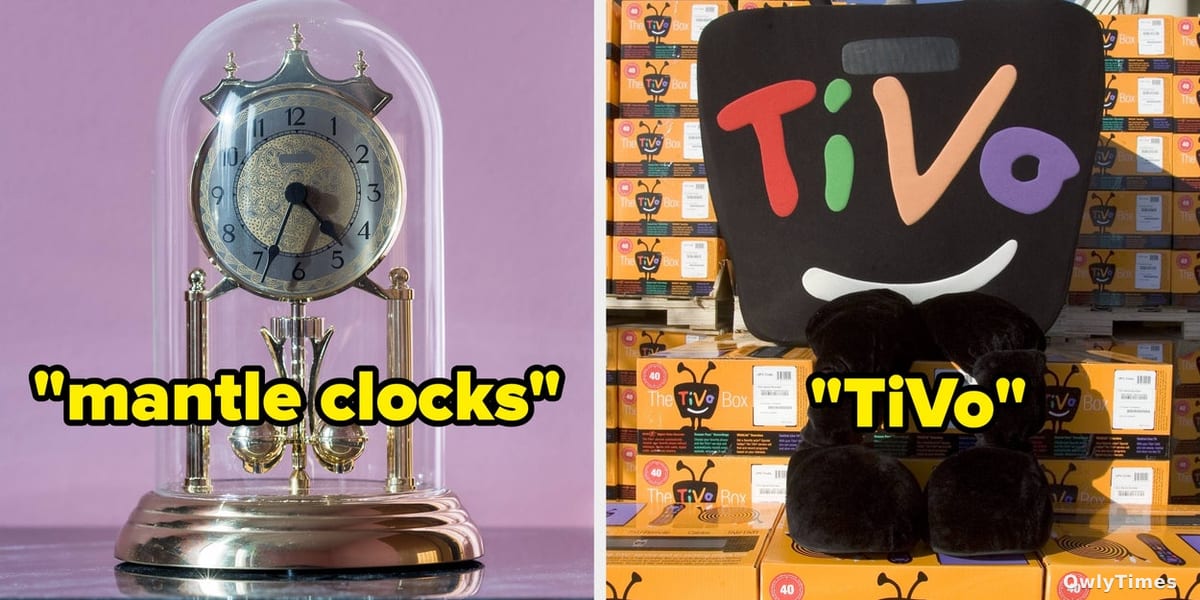
The story repeats itself across countless categories. TiVo boxes, once symbols of cutting-edge home entertainment, are now largely irrelevant thanks to streaming services. As one observer recalled, walking through Best Buy and being pitched satellite TV felt quaint when they already had a TiVo with “lifetime support.” That support, it turns out, has a lifespan dictated by the market, not by any inherent durability of the device. Similarly, dedicated portable GPS units, once essential for navigating unfamiliar roads, have been rendered obsolete by the ubiquitous navigation apps on our smartphones. Paying extra for built-in car navigation? A laughable expense now, when the same functionality is free and constantly updated.
This isn’t simply about technology getting better; it’s about the shifting power dynamics. We used to own our entertainment, our navigation, our communication tools. Now, we largely rent access to these services, and the hardware becomes disposable when the service evolves or the company decides it’s time for an upgrade. The gilded mantle clocks, the Royal Doulton china, the fur coats – these were once markers of wealth and status, now they’re often found discarded, symbols of changing tastes and values.
The Illusion of Luxury and the Weight of Waste
The speed of this devaluation is particularly striking. A PalmPilot costing $500 in 2005? “Pretty useless even when I first got it,” one person admitted. Beats by Dre headphones, once a status symbol, are now routinely found at Goodwill for a few dollars. Even seemingly durable items like Montblanc carry-on luggage are becoming obsolete due to changing airline regulations. The list goes on: intercom systems, iPod speaker docks, full sets of encyclopedias, even pianos – all once considered luxuries, now often unwanted and discarded.
This isn’t just a matter of personal finances. The environmental impact of this constant churn is enormous. E-waste is one of the fastest-growing waste streams globally, filled with toxic materials that pose a serious threat to human health and the environment. We’re creating a mountain of discarded technology, fueled by a culture of disposability. The $13 ballpoint pen in 1952, a significant investment for a high school graduate, becoming a 29-cent commodity a decade later perfectly illustrates this rapid depreciation.
From Supercomputers to Smart Home Bloat
The irony is that some of the most powerful technology of the past is now considered worthless. The PowerMac G4, once a “personal supercomputer” so advanced it was restricted from export, is now a vintage curiosity. Even the early iterations of smart home technology, like Alexa, are starting to feel clunky and outdated. “It was so impressive, 10 years ago? And now it's just a glorified egg timer,” one commenter noted, highlighting the rapid decline in perceived value. The Sirius radio mounted on dashboards, the six-disc CD changers in cars, the BlackBerry phones – all once symbols of technological prowess, now relegated to the dustbin of history.
The pattern is clear: the things we believe define us, the things we spend our money on to signal status or convenience, are increasingly ephemeral. The hype around the Zune in 2006, followed by its swift demise, serves as a cautionary tale. We’re constantly chasing the next shiny object, only to find that it, too, will eventually become yesterday’s trash.
So, what happens next? I predict we’ll see a growing backlash against this cycle of disposability. Consumers will increasingly demand repairability, durability, and a right to upgrade, rather than being forced to replace. Watch for legislation aimed at curbing planned obsolescence and holding manufacturers accountable for the environmental impact of their products. The question isn’t if this shift will happen, but when – and whether it will be fast enough to mitigate the growing mountain of e-waste threatening to bury us all.