
The narrative surrounding computer science education in the United States has shifted from a story of guaranteed prosperity to one of profound professional uncertainty. For over a decade, students were promised that learning to code was the ultimate career insurance, a sentiment bolstered by a hiring surge following the 2008 recession. Today, that optimism is colliding with the reality of an industry undergoing a fundamental transformation, as artificial intelligence begins to replicate the technical labor that was once the exclusive domain of human developers.
The Disconnect Between Degrees and Demand
While headlines often focus on the existential threat of AI, the data points toward a more immediate structural cooling in the job market. Admissions to computer science programs are currently down approximately 20% both in Texas and across the national landscape. This decline suggests that prospective students are beginning to recalibrate their expectations as they witness the struggles of recent graduates. According to a study from the Federal Reserve Bank of New York, unemployment rates for recent degree holders in computer science and computer engineering stand at 7% and 7.8% respectively.
It is vital to distinguish between a "saturated market" and a "technological replacement." The current hiring slowdown follows an aggressive 2022 hiring boom; data from Indeed, compiled by the Federal Reserve Bank of St. Louis, shows that software development job postings have plunged since that peak. Companies that over-hired during the post-pandemic period are now finding that AI tools allow them to accomplish more with fewer human engineers. For instance, Parth Patki, a spring 2025 graduate from the University of Texas at Austin, saw his own role at a cybersecurity firm dissolved in December as part of a corporate restructuring specifically aimed at leveraging AI efficiencies.
Limitations to Consider
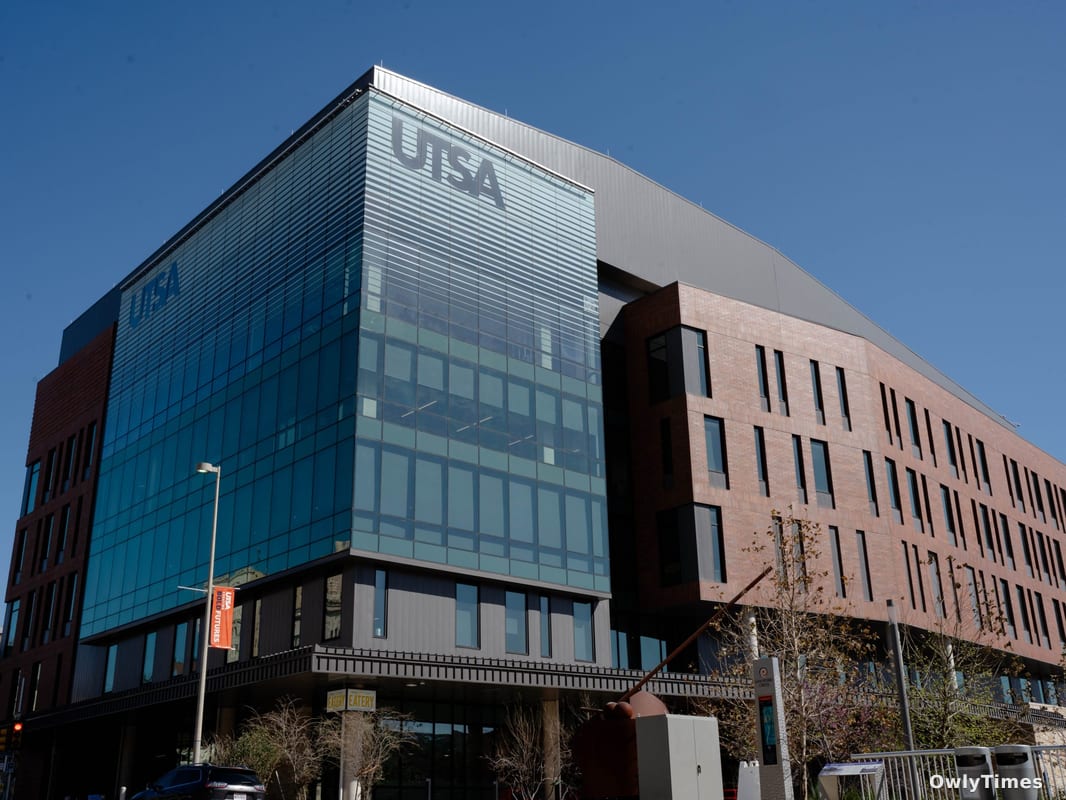
While the anxiety on campuses is palpable, it is important not to conflate a difficult entry-level market with the death of the profession. As Professor Fred Martin, chair of the computer science department at the University of Texas at San Antonio, points out, the median wage for early-career graduates in these fields remains higher than in most other disciplines. Furthermore, the "underemployment rate"—the percentage of graduates working in roles unrelated to their studies—is statistically lower for computer science majors than for many other degree holders. The challenge today is not necessarily a lack of opportunity, but a higher barrier to entry that demands more than just a degree.
A New Curriculum for an AI-Driven Reality
Department chairs at UT Austin, UTSA, and Baylor University are not standing idle. They recognize that the "golden age" of tech hiring is over and are pivoting curricula to address the reality that AI now handles routine coding tasks with a speed no human can match. Peter Stone, chair of the UT Austin computer science department, notes that this uncertainty is a constant, natural topic of discussion among both faculty and students.
The strategy for survival is moving toward specialization. Professor Jean Gao of Baylor University emphasizes that computer science acts as a foundational "glue" across industries like healthcare, finance, and insurance. The students most likely to succeed are those who move beyond the generic coding track to apply their skills to these specific domains. Vivian Tran, a senior at UTSA, captures the current student sentiment: the era of simply earning a degree and expecting a job is over. Success now requires a relentless "grind" of building portfolios, networking, and differentiating one's self in a crowded field.
The next reading of the Federal Reserve’s employment data for recent graduates will serve as the primary indicator of whether this market contraction is stabilizing or if the downward trend in hiring will persist into the next academic cycle. For students like Derek Do, a third-year student at UT Austin, the goal is no longer just to learn how to code, but to learn how to adapt to a landscape where being "replaceable" is a daily professional reality.





