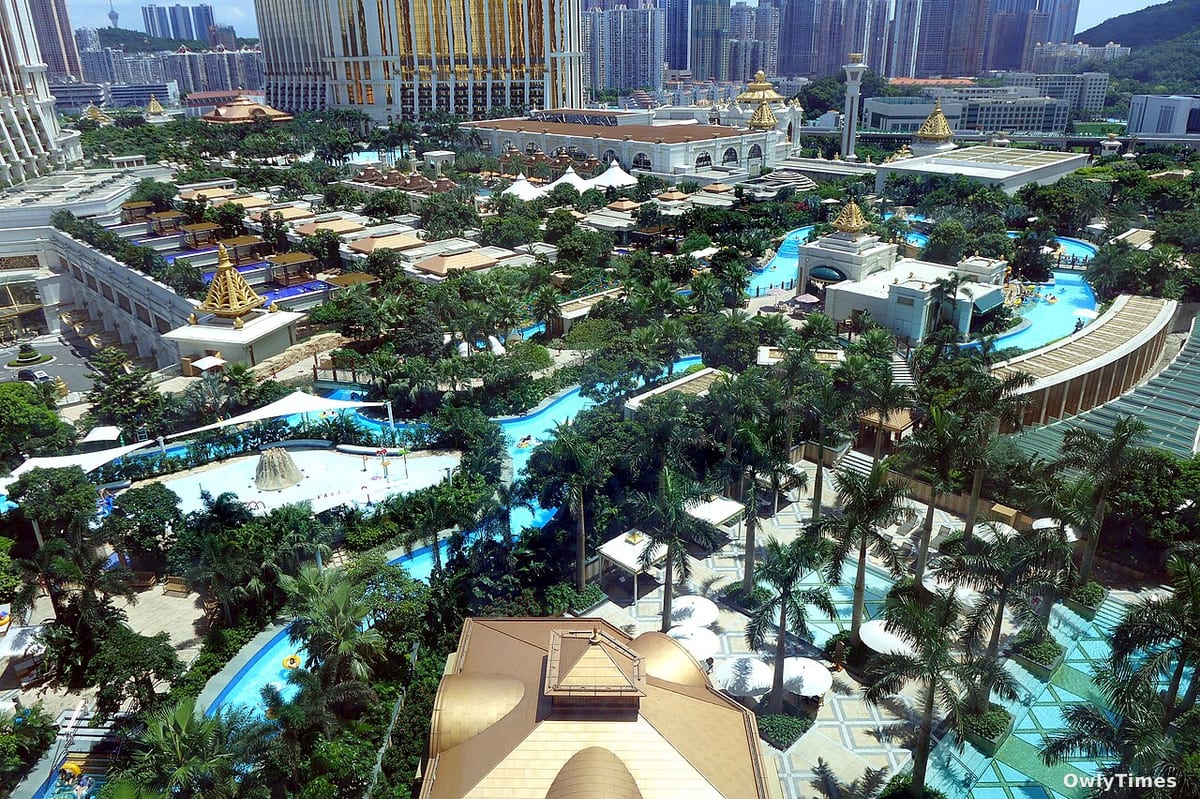

The scent of jasmine and anticipation hung thick in the air on February 10th, the day Galaxy Entertainment Group officially unveiled Capella at Galaxy Macau. It wasn’t the flash of another casino floor, though – it was the grand opening of a luxury integrated resort, a deliberate signal that Macau’s future isn’t solely about high rollers and baccarat tables. While the numbers released today – a Q4 2025 Adjusted EBITDA up 33% year-over-year to $4.3 billion, and a full-year 2025 EBITDA soaring 19% to $14.5 billion – scream continued gaming success, the real story is the calculated bet GEG is making on diversification, and the implications for a city historically defined by one industry. This isn’t just about bigger profits; it’s about rewriting Macau’s narrative.
Beyond the Casino Floor: A New Macau Identity
For decades, Macau has been synonymous with gambling, a glittering outpost of Las Vegas-style excess in Asia. The numbers tell that story: a 22% year-over-year jump in Net Profit After Sales (NPAS) to $10.7 billion is undeniably fueled by casino revenue. But the opening of Capella, and GEG’s strategic push into MICE (Meetings, Incentives, Conferences, and Exhibitions), entertainment events, and live sports, represents a conscious effort to shed that single-faceted image. The $4.3 billion Q4 EBITDA isn’t just a win for shareholders; it’s capital that’s being reinvested into building out these non-gaming attractions. This isn’t a sudden pivot, but an acceleration of a trend that began after the crackdown on VIP junket operators in 2019, which sent shockwaves through the industry and forced operators to consider alternative revenue streams. The reliance on high-stakes gamblers proved unsustainable, and the Macau government has actively encouraged diversification for years, offering incentives for projects that broaden the city’s appeal.
Reporting from Yahoo Finance informs this analysis.
The MICE Factor and Regional Competition
The focus on MICE is particularly crucial. Macau is positioning itself as a regional hub for business events, competing directly with established players like Singapore and Hong Kong. GEG’s investment in state-of-the-art convention spaces within its integrated resorts is a direct response to this competition. The company isn’t just building hotels; it’s building ecosystems designed to attract corporate gatherings, trade shows, and large-scale conferences. This is a higher-margin business than gambling, less susceptible to regulatory fluctuations, and brings a different kind of visitor – one who spends money on hotels, restaurants, and local experiences, rather than solely on casino chips. The proposed final dividend of $0.80 per share, while a welcome return for investors, feels almost secondary to the long-term vision of a more resilient and diversified economy. It’s a signal that GEG is prioritizing reinvestment in this new direction.
Entertainment and Sports: Filling the Void
Beyond business travelers, GEG is betting big on entertainment and live sports to draw in a broader demographic. Macau has historically lacked the vibrant cultural scene of other Asian cities, relying heavily on casino-adjacent shows. The company’s strategy involves attracting major international acts, hosting large-scale sporting events, and creating unique entertainment experiences that appeal to both tourists and local residents. This isn’t just about filling seats; it’s about creating a destination that offers something for everyone. The success of this strategy will hinge on Macau’s ability to overcome logistical challenges – limited space, infrastructure constraints, and competition from other entertainment hubs in the region. But the potential rewards are significant: a more sustainable tourism model that isn’t solely dependent on the whims of high rollers.
What This Means for the Future of Macau
The numbers released by Galaxy Entertainment Group today aren’t just a financial report; they’re a roadmap for Macau’s future. The impressive growth in EBITDA and NPAS provides the financial muscle to fuel this diversification strategy, but the true test will be whether GEG – and other casino operators – can successfully transform Macau into a world-class destination for MICE, entertainment, and sports. The question isn’t whether Macau can continue to be a gambling hub, but whether it can also be something more. Will this shift attract a new generation of tourists, less focused on casinos and more interested in cultural experiences? And, crucially, will it create a more stable and inclusive economy for the people of Macau, one that isn’t so vulnerable to the cyclical nature of the gaming industry? The opening of Capella is a bold statement, but the real game has just begun.