
The Calculated Thirst: Gaza’s Water Crisis as a Consequence of Policy, Not Just Conflict
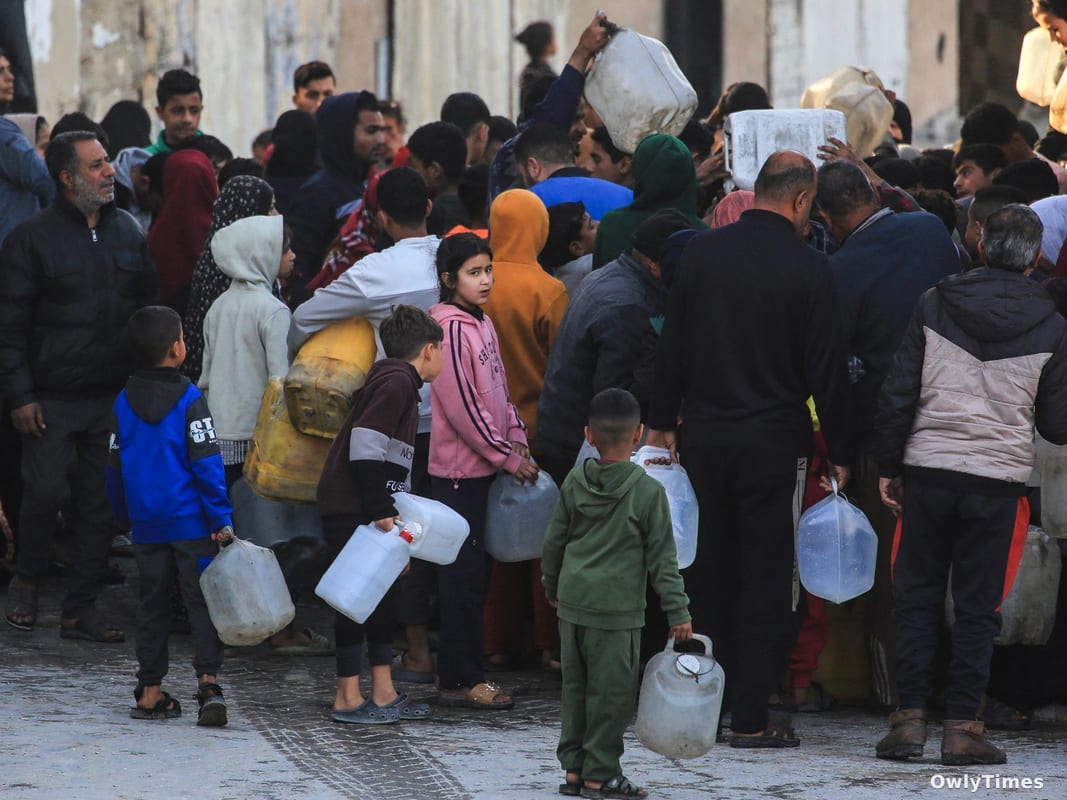
Under a winter sun in Gaza City, the now-routine sight of Palestinians queuing with empty containers for water deliveries isn’t simply a symptom of war; it’s a stark illustration of a system deliberately dismantling the foundations of civilian life. While headlines focus on the immediate devastation wrought by the Israeli military offensive launched in October 2023, the deeper story is the systematic erosion of Gaza’s water infrastructure – a process that predates the current conflict and is actively perpetuated even under the terms of the October 2025 “ceasefire.” The narrative of collateral damage obscures a pattern of targeted destruction and obstruction that transforms a basic human right into a weapon.
Original reporting: Al Jazeera.
The scale of the damage is immense. The United Nations estimates that roughly 70 percent of Gaza City’s water supply infrastructure is currently disrupted. Hosny Afana, a spokesman for the Gaza City municipality, reports that “the occupation has destroyed more than 72 water wells in Gaza City,” alongside over 150,000 meters of water networks and four main reservoirs. These aren’t isolated incidents; they represent a calculated dismantling of a vital system. What’s often missed in reporting is the distinction between damage during active fighting and the ongoing impediments to repair. While the initial bombings undoubtedly caused significant destruction, the subsequent restrictions on materials and access are actively preventing restoration, effectively prolonging the crisis.
The situation is further complicated by Israel’s implementation of what it terms a “Yellow Line” barrier. This demarcation, defining territory under Israeli military control, directly impacts repair efforts. Crucially, the vital Mekorot water supply line lies east of this line, meaning repairs are stalled due to Israeli control. This isn’t a consequence of the fighting; it’s a direct result of a political decision to control access to essential infrastructure. Beyond the Yellow Line, Israel employs a “dual-use” ban, classifying many components needed for water and sanitation repair as potential security threats. This allows authorities to block the entry of even basic materials – pipes, connectors, fittings – under vaguely defined security grounds. Tareq Shuhaibar, a maintenance engineer, describes the desperate reality of scavenging for usable debris in the rubble, recycling what remains to attempt repairs. This isn’t resourcefulness; it’s a forced adaptation to a deliberate blockade.
The health consequences are rapidly escalating. Dr. Ghazi al-Yazji, a physician at al-Shifa Hospital, reports a surge in severe dehydration, kidney complications, and water-borne diseases. The water itself is contaminated, containing dangerously high levels of salts, nitrates, phosphorus, and sulphur. This isn’t simply a matter of scarcity; it’s a public health emergency fueled by deliberate contamination. A United Nations Environment Programme report previously warned of the collapse of Gaza’s sewage treatment infrastructure and the resulting contamination of the underground aquifer, the primary source of water for much of the enclave. Palestinian officials assert that Israel’s destruction of water and sanitation networks has actively poisoned groundwater and coastal waters, compounding the devastation. The current conflict isn’t causing this environmental catastrophe; it’s accelerating a pre-existing one.
It’s important to acknowledge the limitations of assessing the full extent of the damage and the intent behind it. Access to Gaza remains heavily restricted, making independent verification challenging. While the evidence strongly suggests a pattern of deliberate targeting and obstruction, definitively proving intent requires further investigation. Moreover, the ongoing regional conflict – including the temporary closure of the Rafah crossing following tensions with Iran – further complicates aid delivery and repair efforts. Despite the recent reopening of Rafah, its capacity remains limited, and the flow of essential materials remains severely restricted.
Looking ahead, the immediate priority is, of course, alleviating the acute water crisis. However, the long-term solution requires addressing the underlying political and structural issues. The next crucial step is independent monitoring of the types of materials blocked under the “dual-use” designation, and a transparent accounting of the rationale for those restrictions. More importantly, the international community must demand accountability for the destruction of civilian infrastructure and pressure Israel to lift the blockade that prevents sustainable repairs. Will the international community move beyond humanitarian aid and address the systemic policies that are creating this manufactured scarcity, or will Gaza continue to face a calculated thirst?





