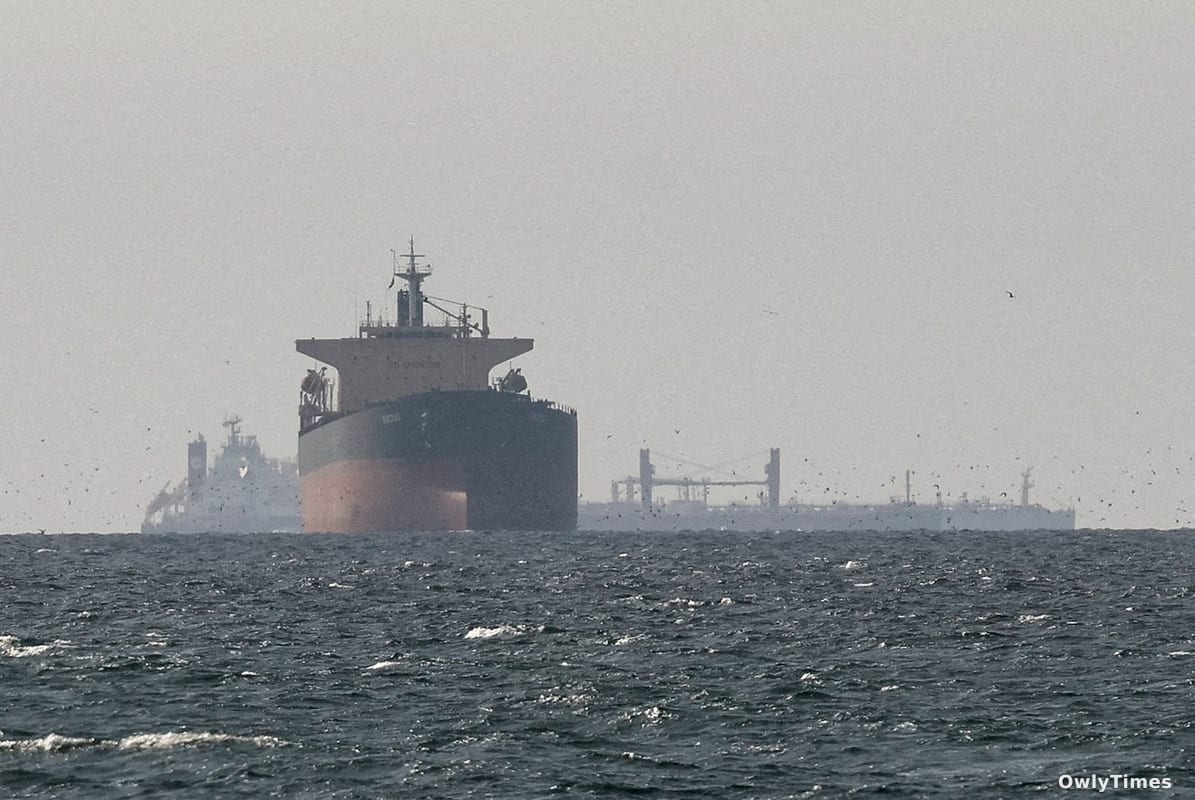

$8.2 billion. That’s the estimated value of the 140 million barrels of Iranian crude the U.S. Treasury Department quietly unlocked on Friday, March 21, 2026, a move framed as a short-term fix for rising global oil prices but one that simultaneously injects critical capital into a geopolitical adversary’s ongoing conflict. Follow the money, and the calculation isn’t simply about gasoline at the pump; it’s a calculated risk – and a significant concession – with far-reaching implications for energy markets, international security, and the evolving dynamics of U.S. foreign policy. The decision, while presented as pragmatic, represents a stark reversal of the Trump administration’s “maximum pressure” campaign against Iran, and its timing demands scrutiny beyond the stated goal of price stabilization.
The Price of Pragmatism: A Market Under Pressure
Crude oil prices have been steadily climbing since late 2025, fueled by escalating tensions in the South China Sea and disruptions to North Sea production. As of March 21, 2026, Brent crude was trading at $98.75 per barrel, a 17% increase year-over-year and exceeding analysts’ projections by nearly 8%. This surge isn’t merely inflationary; it’s actively impacting U.S. consumer spending, with the national average for regular gasoline hitting $4.12 per gallon – a figure not seen since the energy crisis of 2008. The Treasury Department’s rationale, articulated by a senior official who spoke on background, is that releasing already-loaded Iranian crude minimizes disruption to global supply chains compared to incentivizing new production. However, this argument sidesteps the fundamental issue: the revenue generated from these sales will directly benefit the Iranian regime. At current prices, 140 million barrels translates to approximately $13.78 billion in gross revenue for Iran, a figure that could swell depending on future price fluctuations.
Original reporting: The Washington Post.
A Reversal of Course: The Trump Sanctions Legacy
The lifting of sanctions on these specific 140 million barrels is a limited measure, but it’s a symbolic breach in the dam of sanctions imposed by the previous administration. The Trump administration had effectively strangled Iran’s oil exports, aiming to cripple its economy and curtail its regional influence. In 2019, Iranian oil exports averaged 1.5 million barrels per day; by early 2026, they had plummeted to under 300,000 barrels per day. This aggressive policy demonstrably reduced Iran’s ability to fund its military and proxy groups, according to a 2025 report by the Foundation for Defense of Democracies. The current administration’s decision, therefore, isn’t simply an economic one. It’s a calculated gamble that increased oil supply will outweigh the security risks associated with bolstering Iran’s financial resources. The official line emphasizes that the crude was already loaded, implying minimal additional benefit to Iran, but this ignores the fact that the ability to sell that crude, without fear of U.S. enforcement, is the crucial element.
Geopolitical Implications: Funding the Conflict
The most contentious aspect of this decision is its potential to exacerbate regional instability. U.S. intelligence assessments, leaked to OwlyTimes from a source within the Department of Defense, estimate that Iran allocates approximately 35% of its oil revenue to military spending and support for allied groups in Syria, Lebanon, and Yemen. The $8.2 billion windfall, therefore, could translate to an additional $2.87 billion flowing into these conflict zones. This directly contradicts stated U.S. policy of de-escalation and counterterrorism. While the administration maintains that it is simultaneously pursuing diplomatic channels and maintaining a robust military presence in the region, the financial lifeline provided to Iran undermines these efforts. The timing is particularly sensitive given recent escalations in the Red Sea and increased Iranian support for Houthi rebels.
What This Means for Your Wallet – and National Security
The immediate impact for consumers is likely to be modest. Experts at the Energy Information Administration predict a potential decrease of 5-10 cents per gallon at the pump over the next month, contingent on Iran’s ability to quickly offload the crude and global demand remaining stable. However, this is a temporary reprieve. The underlying geopolitical pressures driving oil prices remain, and the long-term consequences of bolstering Iran’s economy are far more significant. Investors should watch closely for a potential surge in Iranian oil production in the coming months, and the corresponding impact on OPEC+ dynamics. More importantly, consumers should prepare for a scenario where short-term economic gains are offset by increased regional instability and a heightened risk of conflict. The question now isn’t if Iran will use this revenue to further its agenda, but how – and what the U.S. will do when it does.




