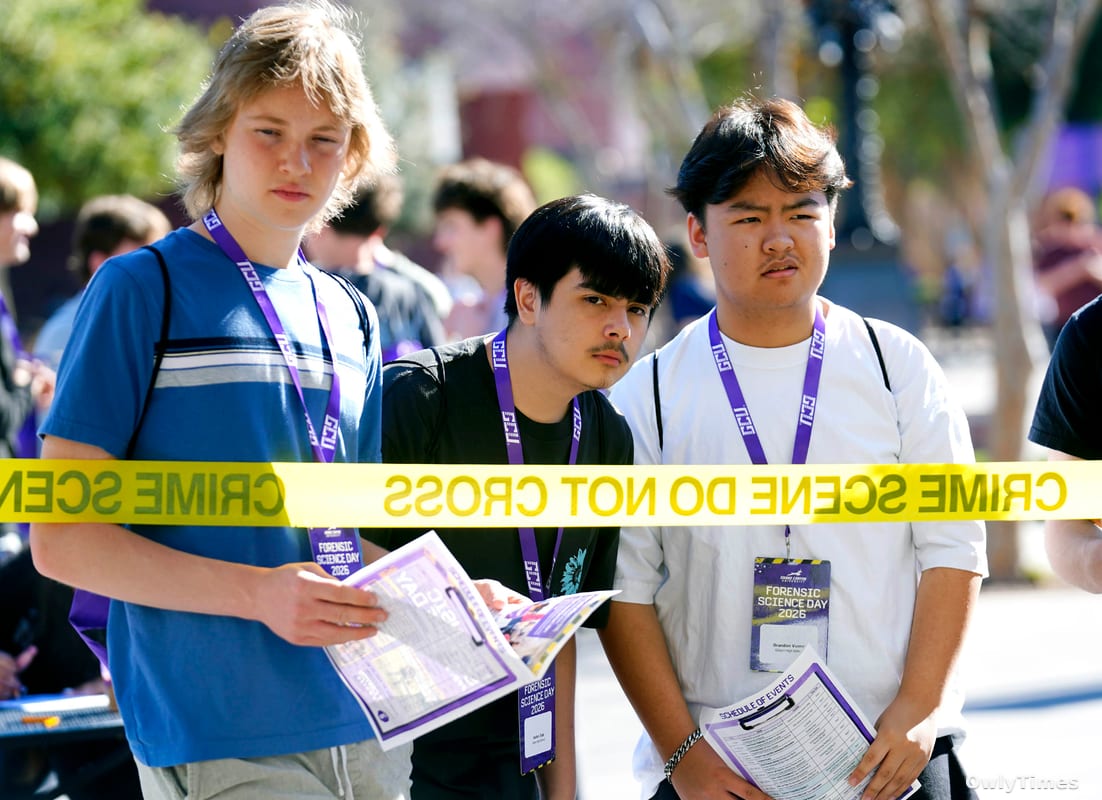

Beyond the Crime Scene Tape: Cultivating a Pipeline in a Shifting Forensic Landscape
The sheer scale of Grand Canyon University’s Forensic Science Day on February 26th – attracting an estimated 2,600 high school and community college students – speaks to a sustained, and perhaps surprising, public fascination with forensic science. But the event isn’t simply about capitalizing on the “CSI effect”; it represents a deliberate effort to address a growing, and often overlooked, challenge within the field: a looming workforce gap coupled with a rapidly evolving technological landscape. While popular media often portrays forensic science as glamorous deduction, the reality is increasingly rooted in complex data analysis, digital forensics, and a need for rigorous scientific training – a message GCU’s event actively sought to convey.
The day’s activities, ranging from tours of the DNA and cadaver labs led by faculty like Elizabeth Brown, to hands-on exercises in blood spatter analysis and mock crime scene investigations orchestrated with the Maricopa County Sheriff’s Office, weren’t merely demonstrations. They were carefully constructed introductions to the multifaceted nature of modern forensic work. The inclusion of the Cyber Center of Excellence, where students like Blossom Ebereonwu from South Point High School engaged with digital clue-finding exercises, is particularly noteworthy. Digital forensics, encompassing everything from data recovery to network intrusion analysis, now accounts for an estimated 30-40% of all forensic investigations – a figure that has doubled in the last decade, according to a 2024 report by the International Association of Computer Investigative Specialists. This shift demands a new generation of forensic scientists proficient in coding, cybersecurity, and data science, skills not traditionally emphasized in introductory forensic programs.
The event’s structure, incorporating interactive elements like a “Jeopardy”-style game hosted by senior forensic science major Samantha Alvardo, highlights a crucial pedagogical approach. It’s no longer sufficient to simply tell students about forensic science; they need to experience it, to grapple with the challenges of evidence interpretation and analysis. This experiential learning is vital, as studies consistently show a significant attrition rate in STEM fields, particularly among students who enter with unrealistic expectations. By exposing students to the demanding, detail-oriented nature of the work early on, GCU aims to foster a more informed and committed cohort of future forensic scientists. The presence of working professionals, such as Brian Authement and his K-9 partner Urosh from the Phoenix Police Department, further bridged the gap between academic study and real-world application.
Reporting from news.gcu.edu informs this analysis.
However, it’s important to acknowledge the limitations of such outreach events. While 2,600 students attended, the long-term impact on recruitment into forensic science programs remains to be seen. A single day of exposure, however engaging, is unlikely to fundamentally alter career trajectories. Furthermore, the event’s focus on practical skills, while valuable, doesn’t necessarily address the broader systemic issues facing the field. These include persistent backlogs in crime labs, funding disparities between agencies, and concerns about the reliability of certain forensic techniques – particularly those relying on subjective interpretation. A 2025 report by the National Institute of Standards and Technology (NIST) highlighted the need for increased standardization and validation of forensic methods, emphasizing the importance of minimizing bias and ensuring the accuracy of results.
Looking ahead, the next critical research step isn’t simply about refining forensic techniques, but about understanding the evolving needs of the workforce and adapting educational curricula accordingly. GCU, and other institutions offering forensic science programs, must prioritize the integration of data science, cybersecurity, and advanced statistical analysis into their core curriculum. Equally important is fostering collaboration between academia, law enforcement agencies, and private sector companies to create internship opportunities and research partnerships. The question now isn’t just whether we can inspire the next generation of forensic scientists, but whether we can equip them with the skills and knowledge necessary to navigate a field undergoing a profound and accelerating transformation. Will the current educational infrastructure be able to keep pace with the demands of a future where digital evidence reigns supreme and the lines between the physical and virtual worlds continue to blur? That’s the challenge facing the field, and the answer will determine the future of justice.