
Beyond Recognition: Why Celebrating Women in Healthcare Must Address Systemic Barriers
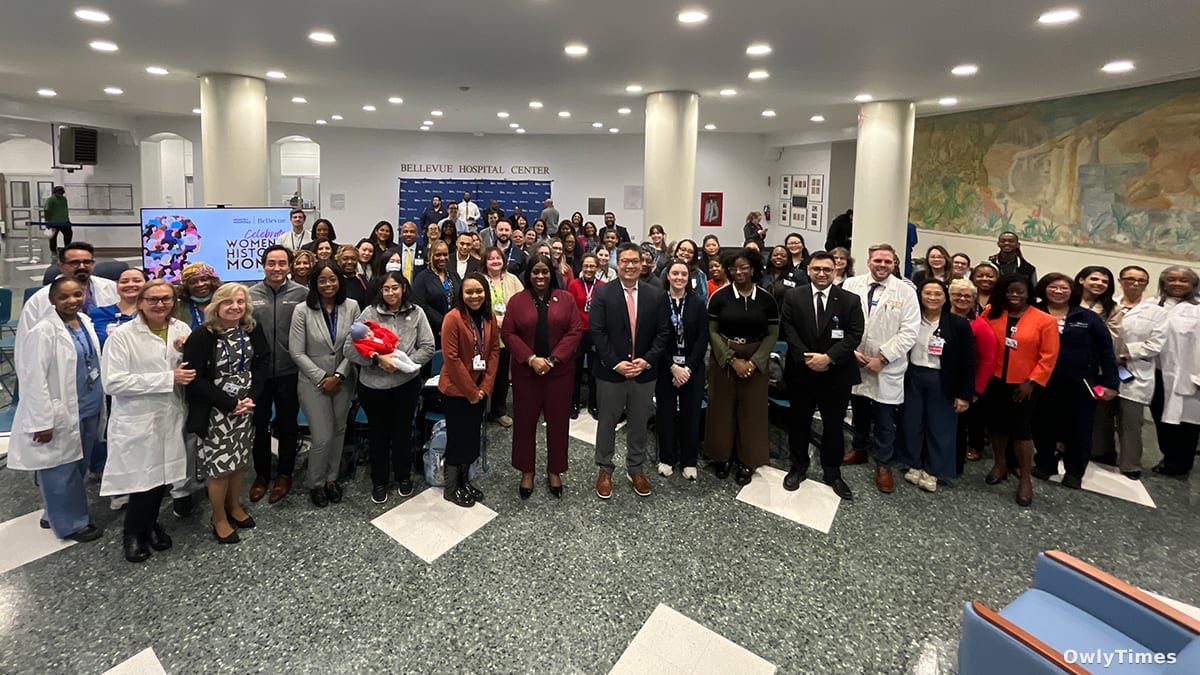
The annual acknowledgement of Women’s History Month often feels like a carefully curated highlight reel – a showcase of achievements without a rigorous examination of the conditions that enable, or more often, hinder those achievements. This year’s “Leading the Change” program at NYC Health + Hospitals/Bellevue, featuring Bronx Borough President Vanessa Gibson, Dr. Eric Wei, and Channing Thomas, wasn’t simply a celebratory event; it was a pointed reminder that recognizing women’s contributions to healthcare requires confronting the systemic inequities that continue to shape the field. While the panel discussion and hospital tour – including the historic Neonatal Intensive Care Unit – were valuable, the true significance lies in the implicit acknowledgement that progress isn’t automatic, and leadership isn’t enough without a sustained commitment to equity.
This piece references the nychealthandhospitals.org report.
The event itself, held on March 16, 2026, brought together leaders to emphasize the role of women in advancing leadership, equity, and access to care. This is a crucial conversation, particularly in New York City, where healthcare disparities are starkly visible. Bellevue Hospital, as the nation’s oldest public hospital, sees approximately 103,000 emergency room visits and over 520,000 outpatient visits annually, serving a diverse patient population from all five boroughs. The hospital’s history – establishing the first maternity ward in 1799 and performing the first US hospital cesarean section in 1867 – is a testament to its pioneering spirit, but that spirit must now extend to actively dismantling barriers for women within its own walls and across the city’s healthcare landscape. Dr. Wei rightly emphasized the necessity of partnerships between public leadership, healthcare institutions, and community organizations, but the effectiveness of those partnerships hinges on a shared understanding of the challenges women face.
The program’s focus on Bellevue’s history is particularly resonant. Channing Thomas, Bellevue’s Chief Cultural Officer, highlighted the central role women have played in the hospital’s story, from the early nursing pioneers to current leaders. However, simply acknowledging this history isn’t sufficient. A deeper investigation into the career trajectories of women at Bellevue – promotion rates, leadership representation across all departments, and experiences with bias – would provide a more nuanced understanding of the progress still needed. The hospital’s commitment to “excellence in care, commitment to our patients, and a deep sense of purpose in serving our communities,” as stated by Thomas, must be demonstrably extended to its female workforce.
It’s easy to frame the issue as one of “representation,” but the problem runs deeper. The healthcare system, like many others, operates within a framework that historically prioritizes certain leadership styles and characteristics – often those traditionally associated with men. Women in healthcare frequently report facing challenges related to work-life balance, limited access to mentorship, and subtle (or not-so-subtle) biases in evaluation and promotion. The fact that Borough President Gibson emphasized the critical role of public hospitals in caring for the city’s residents underscores the importance of ensuring these institutions are not only accessible to patients but also supportive of the healthcare professionals who serve them. Her statement about investing in public healthcare and community partnerships is a welcome sentiment, but investment must be directed towards initiatives specifically designed to address gender inequities.
The inclusion of a community outreach concert presented by EnoB, a nonprofit dedicated to arts access, is a noteworthy element of the program. Recognizing the connection between arts and culture, healing, and well-being is a progressive step, but it also highlights a potential blind spot. While cultural enrichment is valuable, addressing the fundamental systemic issues impacting women in healthcare – pay equity, leadership opportunities, and protection against bias – requires more than symbolic gestures.
Limitations to Consider
It’s important to acknowledge that a single event, even one with prominent figures like Gibson and Wei, cannot solve deeply entrenched systemic problems. The “Leading the Change” program represents a starting point for a broader conversation, but its impact will be limited if it doesn’t translate into concrete policy changes and measurable outcomes. Furthermore, the focus on Bellevue Hospital, while significant given its history and scale, doesn’t necessarily reflect the experiences of women in healthcare across the entire NYC Health + Hospitals system, or within private healthcare institutions in the city. Data on gender representation in leadership positions, salary disparities, and reported instances of bias across all hospitals would provide a more comprehensive picture.
The next crucial step is to move beyond recognition and towards accountability. We should be asking: What specific metrics will NYC Health + Hospitals use to track progress on gender equity? Will there be mandatory bias training for all staff? Will there be increased funding for mentorship programs specifically designed to support women in leadership? And, perhaps most importantly, will there be transparent reporting on the outcomes of these initiatives? The success of “Leading the Change” won’t be measured by the number of attendees, but by the tangible improvements in the lives and careers of women working in healthcare across New York City. The question now is whether this moment of recognition will catalyze genuine, lasting change, or simply become another entry in the annual cycle of Women’s History Month celebrations.





