
The current wave of popular science literature arriving this May suggests a distinct shift in public appetite: we are moving away from abstract theory and toward a rigorous interrogation of our own daily habits and biological limits. As a science writer, I often see books categorized as "popular science" lean into sensationalism, yet this month’s releases reflect a more sober, evidence-based attempt to bridge the gap between complex research and the lived experience of the average reader.
The Data Behind Our Daily Choices
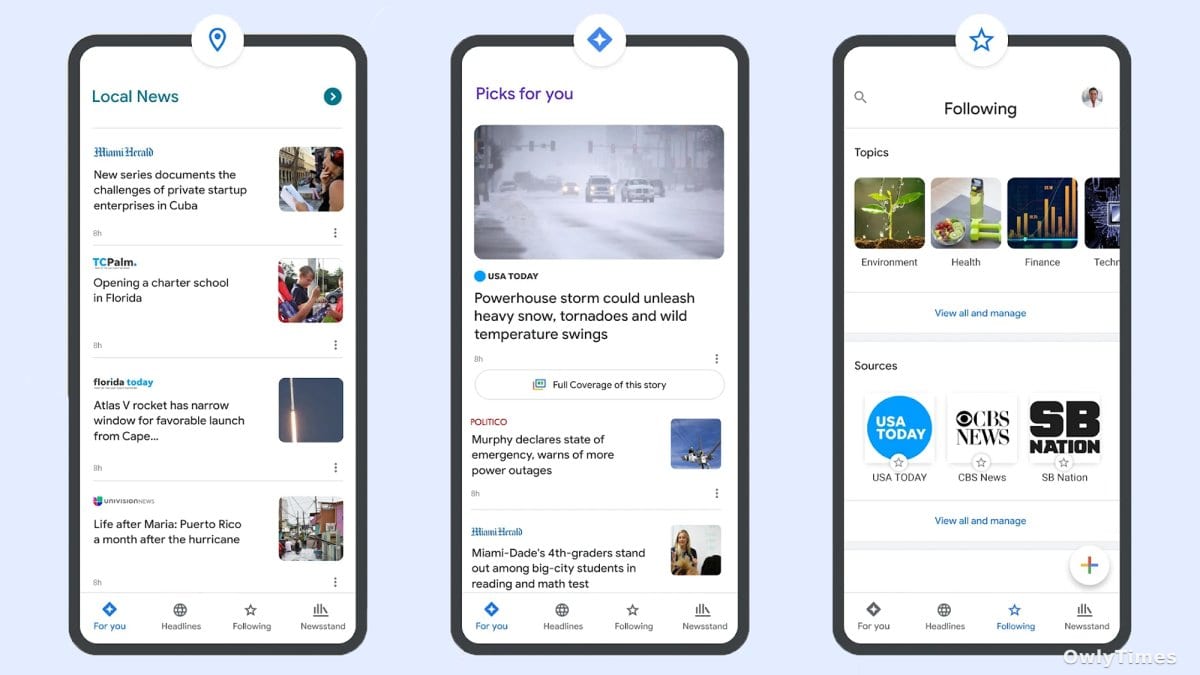
One of the most compelling works hitting shelves is What We Ask Google by Simon Rogers, a lecturer in data journalism at Medill-Northwestern University. While the title might sound like a simple collection of search trivia, the methodology behind the book is what warrants attention. Rogers, who serves as a Google data editor, has spent two decades analyzing the billions of anonymous queries that form the world’s largest, albeit unstructured, dataset of human curiosity.
Headlines might frame this as a "window into the human soul," but the book is more accurately an exercise in data ethics and sociology. It highlights the tension between the curated persona we present to the world and the intimate, often vulnerable questions—ranging from health anxieties to existential dilemmas—we type into a search box. It is a reminder that while the aggregate data of humanity is immense, the value lies in what it reveals about our shared, quiet struggles.
Redefining Medicine as Movement
The medical community has long grappled with how to encourage lifestyle interventions for chronic conditions, but Walk: Your life depends on it by gait specialist Courtney Conley and physiotherapist Milica McDowell offers a provocative thesis. The authors argue that walking is an "under-prescribed medicine" for issues like obesity and lower back pain.
It is important to distinguish the authors' clinical focus from the common "fitness tracker" narrative. While the industry is currently obsessed with hitting arbitrary step counts—a metric often driven by marketing rather than medical necessity—Conley and McDowell emphasize the physiological mechanics of gait. The limitation to consider here is whether personal lifestyle habits, which are deeply tied to socioeconomic factors and urban design, can be effectively shifted by individual willpower alone.
The Intersection of Engineering and Ethics
The month’s releases also grapple with the scale of human impact, from the microscopic to the massive. Vincent Doumeizel, senior adviser on oceans to the U.N. Global Compact, explores the role of plankton in The Power of Plankton. By detailing the survival story of a scientist who crossed the Atlantic on a diet of only plankton for 65 days, Doumeizel anchors his scientific argument in human endurance.
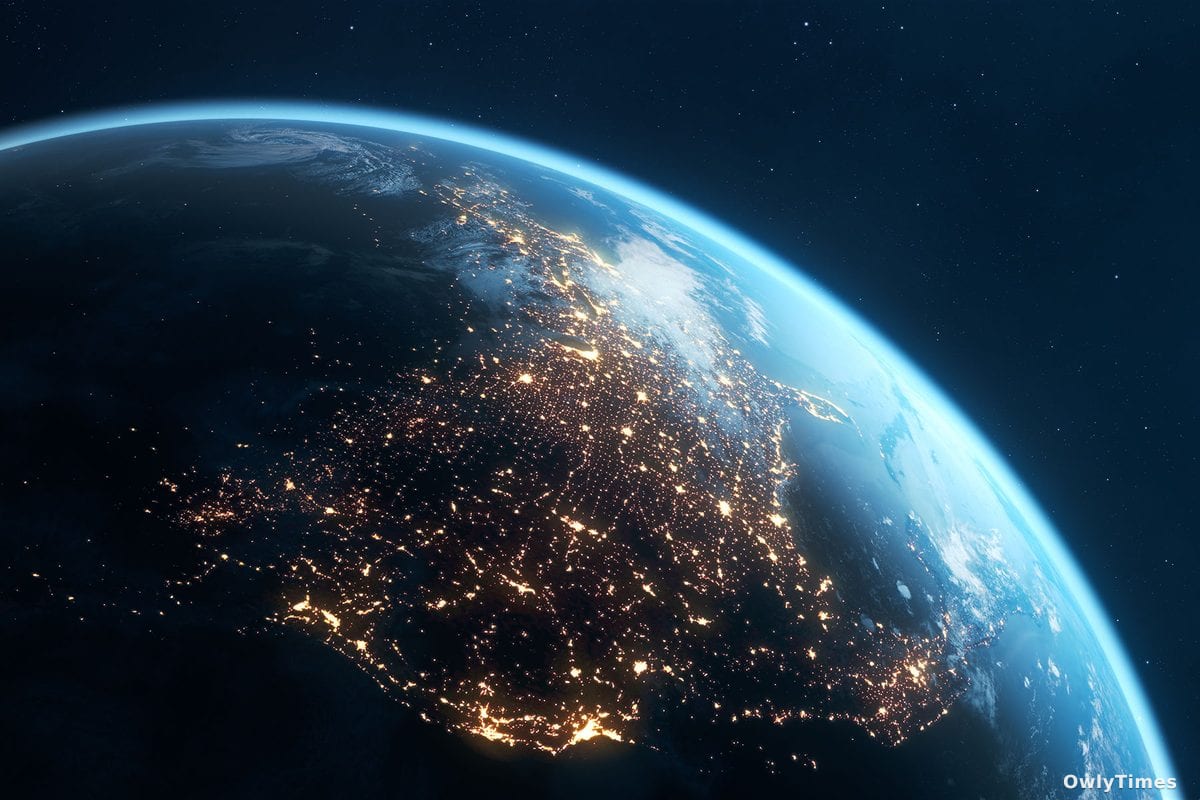
Similarly, Fred Mills, founder of the construction-focused YouTube channel The B1M, examines the consequences of human ambition in Mega Builds. The book cites the Three Gorges Dam in China as a prime example of engineering hubris. According to NASA, the structure is so massive that its creation shifted the Earth's axis by approximately 2 centimeters and shortened the length of a day by about 0.06 microseconds. These figures serve as a stark reminder that human intervention in the physical environment has measurable, planetary-scale consequences.
The Path Toward Verification
Looking ahead, the success of these works will be measured by their ability to translate specialized knowledge into actionable public understanding without losing the nuances of the underlying data. As Dr. Nick Barber, emeritus professor of pharmacy at University College London, notes in How to Take Drugs, the burden of adverse drug reactions is significant. With the National Institute for Health and Care Excellence estimating that hospital admissions due to adverse drug reactions in the UK can reach 6 to 7 percent, the next indicator of this sector's health will be whether clinical practices successfully integrate these nuanced "how-to" approaches to medication. Whether these authors can move the needle on public health and scientific literacy will depend on how effectively they navigate the gap between a book’s promises and the clinical reality that follows.