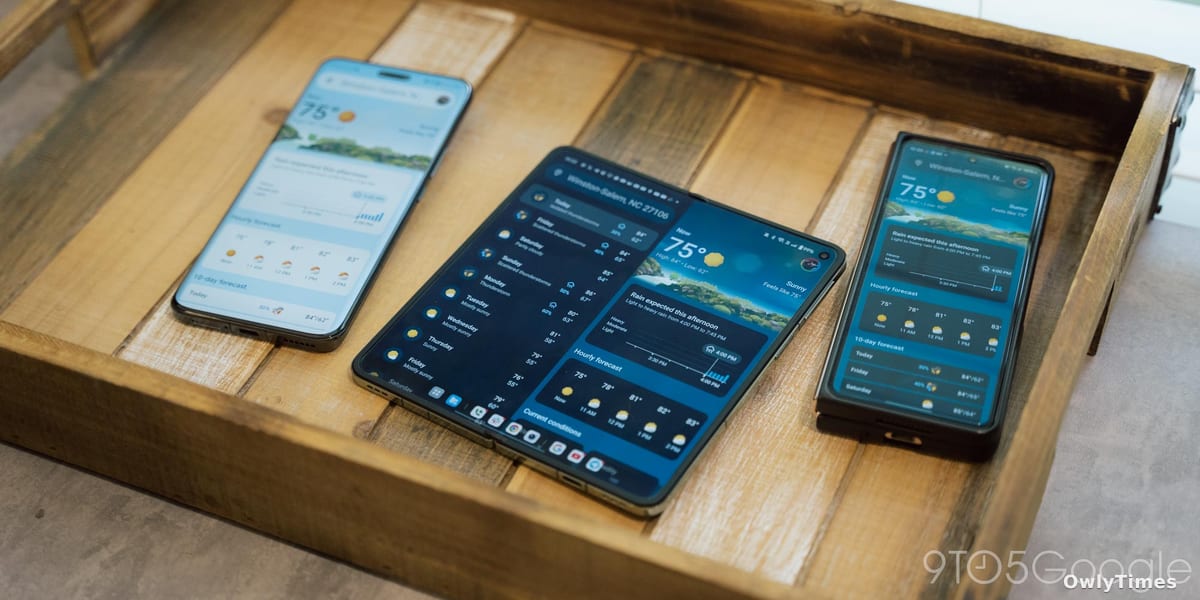

Is Google deliberately breaking your homescreen shortcuts just to show you more ads? That’s the question nagging at me, and frankly, a lot of Android users, as the tech giant quietly dismantles a perfectly functional feature – the dedicated Google Weather app. For years, a simple tap on the ‘G’ icon, sun or clouds emblazoned on its face, delivered a clean, standalone weather forecast. Now, that tap increasingly dumps you into a Google Search results page, disguised as a weather update. The real story here isn't a UI refresh – it's Google consolidating control and, inevitably, monetizing a basic utility.
The Slow Fade of a Familiar Feature
The shift began subtly a few months ago, with scattered reports of the homescreen shortcut redirecting to Search. Initially, it felt like a glitch, a temporary hiccup in the sprawling Google ecosystem. But the rollout is accelerating. Users who received the ominous “The weather page has moved” notification are now finding the old, immersive Weather experience completely inaccessible. Scrolling down the new Search-based “weather” page doesn’t reveal more detailed forecasts; it reveals…web results. Meaning, links to articles, travel advisories, and, yes, sponsored content. Google is effectively turning a quick glance at the temperature into another opportunity to serve you ads.
See the original 9to5Google story for the full account.
The new interface isn’t bad, per se. It leverages the visually appealing “Froggy” card – the animated background depicting current conditions – and integrates hourly and 10-day forecasts. There’s even a new “Air quality” section, which is genuinely useful. But it’s all wrapped within the framework of a search results page, complete with a search bar at the top, constantly reminding you that you’re still searching for information, even if you just wanted a simple forecast. Prabhakar Raghavan, Senior Vice President at Google, hasn’t directly addressed the deprecation, but the company’s rationale is clear: streamline resources and funnel users into its core Search product.
Why Memphis Manufacturers Are Watching Closely
This isn’t just about inconvenience for people checking the forecast before their morning commute. It’s a microcosm of a larger trend. Google is increasingly prioritizing Search as the central hub for everything. Remember Google Assistant’s slow decline in functionality, consistently pushing users back to Search for answers? This is the same playbook. And it’s particularly concerning for businesses that relied on the dedicated Weather app’s integration. Consider a manufacturing plant in Memphis, Tennessee, needing precise hourly wind data for outdoor operations. Previously, that information was readily available within the dedicated app. Now, they’re sifting through Search results, potentially encountering irrelevant links and sponsored content, wasting valuable time. The cost of that wasted time, multiplied across thousands of businesses, is significant.
The addition of AI Overviews to the Search-based weather results is presented as a benefit, offering a summarized view of conditions. But even this feels like a Trojan horse. AI Overviews are notoriously prone to inaccuracies and, crucially, are designed to keep you within the Google ecosystem, reducing the likelihood of you clicking through to independent sources. Google is building a walled garden, and the weather is just another brick in that wall. The company reported $162.45 billion in revenue for the first quarter of 2024, largely driven by advertising. It’s not hard to see how integrating a frequently accessed utility like weather into Search contributes to that bottom line.
The Air Quality Paradox and the Future of Utility Apps
The inclusion of air quality data is a particularly cynical touch. While genuinely valuable, especially for vulnerable populations, it’s presented within the ad-supported Search framework. It feels less like a public service and more like a justification for the broader shift. Google can now tout its commitment to environmental awareness while simultaneously increasing ad revenue. This is the paradox of Big Tech: offering useful features while relentlessly pursuing profit maximization.
The deprecation of the dedicated Weather app isn’t an isolated incident. It’s a signal that standalone utility apps are becoming increasingly vulnerable. Expect to see similar consolidation across other Google services. The company clearly believes it’s more efficient – and more profitable – to funnel users into Search, even if it means sacrificing a more streamlined user experience. My prediction? Within the next 18 months, Google will begin phasing out dedicated apps for Calendar, Notes, and even Keep, integrating their functionality directly into Search, and subtly increasing the number of ads you encounter along the way. The question isn’t if Google will continue this trend, but how much friction users will tolerate before demanding a genuinely independent alternative.