
Is Google deliberately making Android worse for anyone who doesn’t buy a Pixel? That’s the question simmering beneath the surface of a seemingly minor UI change: the dismantling of Android’s full-screen weather interface. For years, non-Pixel Android users have enjoyed a reasonably attractive, dedicated weather page accessed through a simple search. Now, that’s being replaced with… a Google search for “weather.” It’s a downgrade so blatant, it feels less like product development and more like a gentle nudge toward the Pixel ecosystem. The real story here isn't a tweaked interface — it's the increasingly obvious strategy of feature-gating to drive hardware sales.
The Slow Erosion of Universal Android Experiences
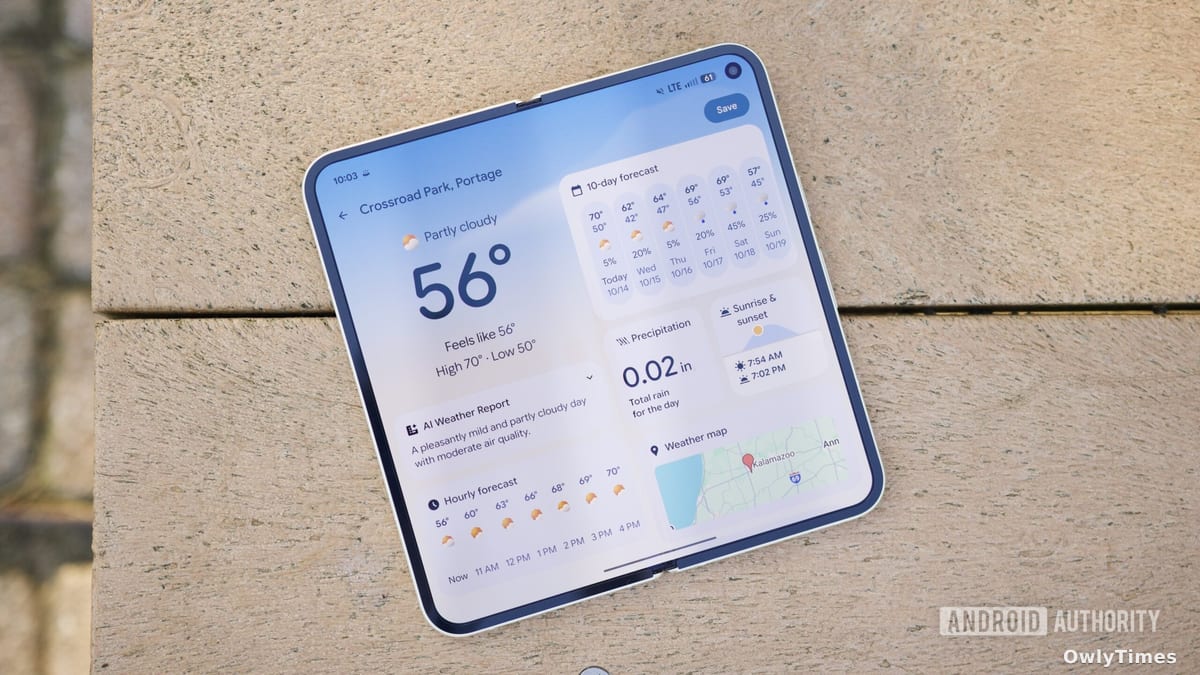
Google began quietly phasing out the full-screen weather report a few months ago, as first reported by 9to5Google, but the shift is now widespread. Previously, a weather search on most Android phones delivered a clean layout with current conditions, hourly forecasts, and a 10-day outlook. Now, users are presented with a condensed card featuring current and hourly predictions, followed by a carousel of the next ten days. Even Google’s beloved weather frog, “Froggy,” feels diminished, relegated to a tiny corner of the screen. The change isn’t about streamlining information; it’s about stripping away a functional, visually appealing feature that existed perfectly well on its own.
See the original androidauthority.com story for the full account.
This isn’t happening in a vacuum. Just recently, Google removed its dedicated Weather app from all Wear OS smartwatches except the Pixel Watch. The pattern is clear: increasingly, useful and delightful features are becoming Pixel exclusives. This isn’t the open, universal Android experience many users signed up for. It’s a walled garden slowly closing around anyone who hasn’t invested in Google’s hardware. And let’s be honest, the justification – that the weather interface was merely a shortcut within the Google app – feels disingenuous. It functioned as a standalone experience, and a good one at that.
Pixel Weather: A Showcase, Not a Solution
The timing is particularly galling given the launch of Pixel Weather in 2024. Pixel Weather is genuinely excellent, widely considered one of the best-looking weather apps on Android. But its exclusivity isn’t about offering a superior experience to Pixel owners; it’s about creating a reason to own a Pixel. Google isn’t solving a problem with Pixel Weather; it’s manufacturing one for everyone else. The company is essentially saying, “Want a nice weather app? Buy our phone.” This isn’t innovation; it’s a calculated move to boost hardware revenue.
Consider the implications for the average Android user. Millions rely on quick access to weather information daily – for commuting, planning activities, or simply knowing what to wear. Reducing that experience to a basic web search isn’t just aesthetically disappointing; it’s functionally less efficient. Scrolling through search results, sifting through ads, and potentially encountering inaccurate information is a far cry from a dedicated, well-designed weather interface. This isn’t a first-world problem, but it’s a symptom of a larger trend: tech companies prioritizing profit over user experience for those outside their premium ecosystems.
What This Means for the Future of Android
The deprecation of the full-screen weather interface is a microcosm of a broader shift in Google’s strategy. The company is increasingly focused on vertical integration – controlling both the hardware and the software. While this approach can lead to compelling products like the Pixel 8 and Pixel Watch 2, it also risks alienating the vast majority of Android users who choose devices from Samsung, OnePlus, and other manufacturers. The long-term consequences could be a fragmentation of the Android ecosystem, with Pixel devices offering a consistently superior experience while other Android phones become increasingly generic.
Here’s what to watch for: over the next six months, pay attention to which features Google continues to reserve for Pixel devices. Are there subtle but useful tools in the Google Photos app, or within Google Assistant, that suddenly become exclusive? The pattern will reveal Google’s true intentions. My prediction? Google will continue to chip away at the universal Android experience, slowly but surely making Pixel ownership the only path to a truly polished and feature-rich mobile experience. The question isn’t if this will happen, but how far Google is willing to go.