
The Calculus of Condemnation: A Strategic Ousting in Texas
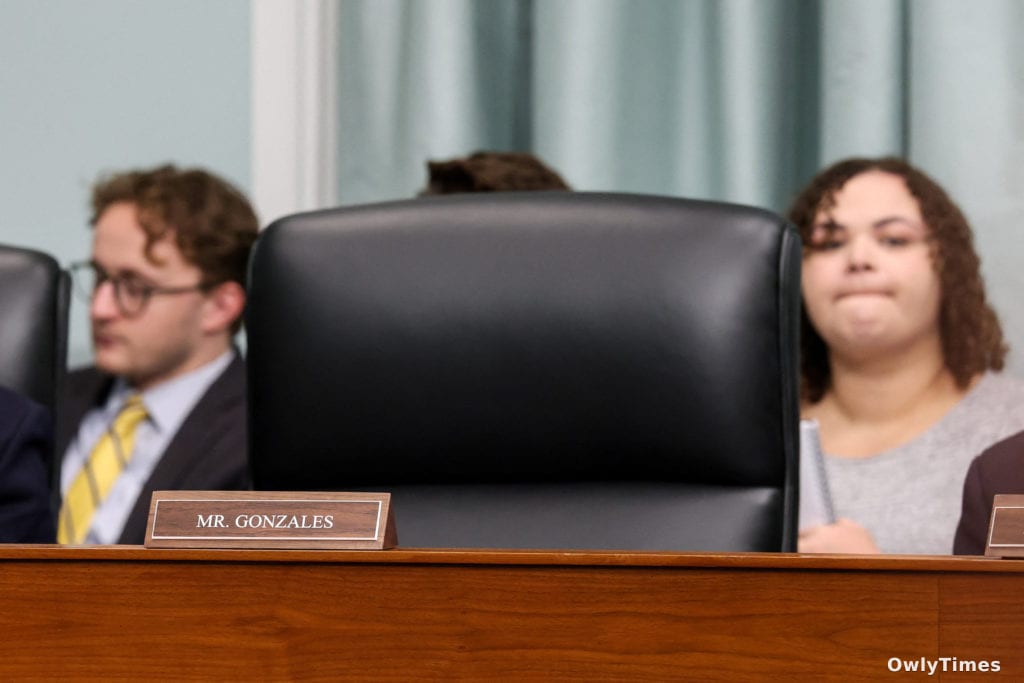
The demand from Speaker Mike Johnson and House GOP leadership that Representative Tony Gonzales withdraw from his reelection bid isn’t simply a response to a personal scandal; it’s a calculated maneuver to solidify control over a shrinking majority and preemptively address vulnerabilities in a crucial swing district. The speed and unanimity with which the leadership moved – a day after Gonzales publicly acknowledged the affair and concurrent with a House Ethics Committee investigation – signals a prioritization of political expediency over due process, and a willingness to expend a sitting member to achieve broader strategic goals. This isn’t about morality, it’s about margins. The current House Republican majority stands at 219-213, a razor-thin advantage that necessitates aggressive defense of every seat, and, when necessary, the calculated sacrifice of those deemed liabilities.
This piece references the PBS report.
A District on the Razor’s Edge: Shifting Demographics and Internal Divisions
Gonzales represents Texas’ 23rd congressional district, a sprawling, largely rural area along the U.S.-Mexico border. While historically conservative, the district has been trending more competitive in recent years, fueled by demographic shifts and a growing Hispanic population. In 2022, Gonzales won reelection by just 3.5 percentage points, a significant drop from his 13-point victory in 2020. This vulnerability is compounded by internal Republican divisions. Gonzales is a moderate, frequently bucking party orthodoxy on issues like gun control and immigration – positions that have earned him the ire of the more conservative wing of the party, particularly the House Freedom Caucus. His willingness to work with Democrats on bipartisan legislation, while lauded by some, has made him a target for primary challenges and accusations of insufficient loyalty to the Republican agenda. The timing of this call for withdrawal, therefore, isn’t accidental; it’s a preemptive strike against a potentially lost seat, and a signal to the conservative base that leadership is willing to enforce ideological discipline.
Historical Echoes: Scandals and the Power of the Whip
The swiftness of the GOP’s response evokes historical precedents where personal scandals were weaponized for political gain. The case of Representative Wayne Hays in 1976 offers a stark parallel. Facing allegations of misuse of funds and an affair with a staffer, Hays was pressured by Democratic leadership to resign, ultimately losing his seat. While the specifics differ, the underlying dynamic is the same: a party leadership prioritizing its image and electoral prospects over defending a member embroiled in scandal. However, unlike the Hays case, where the scandal centered on financial impropriety, the Gonzales situation is uniquely complicated by the tragic death of the former staff member. This adds a layer of sensitivity, but also provides a convenient narrative for leadership to distance itself completely. The House Ethics Committee investigation, announced simultaneously with the call for withdrawal, serves as a procedural shield, allowing leadership to claim they are responding to an ongoing inquiry rather than engaging in a purely political judgment.
Who Benefits and Who Loses in the Texas Shuffle
The immediate beneficiaries of Gonzales’ potential withdrawal are clear: Speaker Johnson and the House GOP leadership, who can present a unified front of moral outrage and demonstrate their commitment to party discipline. A more conservative candidate is likely to emerge, potentially solidifying the district’s Republican leanings, though at the risk of alienating moderate voters. The Texas Republican party itself benefits from the opportunity to reshape the district’s representation in line with its increasingly conservative base. Gonzales, obviously, is the primary loser, facing the end of his political career and the weight of public scrutiny. However, the long-term consequences extend beyond individual fates. The precedent set by this swift condemnation could embolden future attempts to leverage personal scandals for political advantage, further eroding trust in the political process and potentially chilling the willingness of moderate members to challenge party orthodoxy. The Democratic party, while benefiting from a potentially weakened Republican opponent, also risks being portrayed as opportunistic for capitalizing on a tragedy.
The Next Move: A Special Election and the Fight for the Border Narrative
The political chess move to watch next is the unfolding of the primary process, or, more likely, a special election if Gonzales does withdraw before the primary ballot is set. The question isn’t simply who will run, but how the Republican party will frame the narrative. Will they emphasize the moral failings of Gonzales, or will they focus on the need for a staunch conservative voice to secure the border? The latter approach is far more likely, given the national focus on immigration and border security. The outcome of this contest will be a bellwether for the broader Republican strategy heading into the 2024 elections: a doubling down on conservative principles and a relentless focus on cultural issues, or a more nuanced attempt to appeal to moderate voters. The fight for Texas’ 23rd district is no longer just about one seat; it’s about the future direction of the Republican party.





