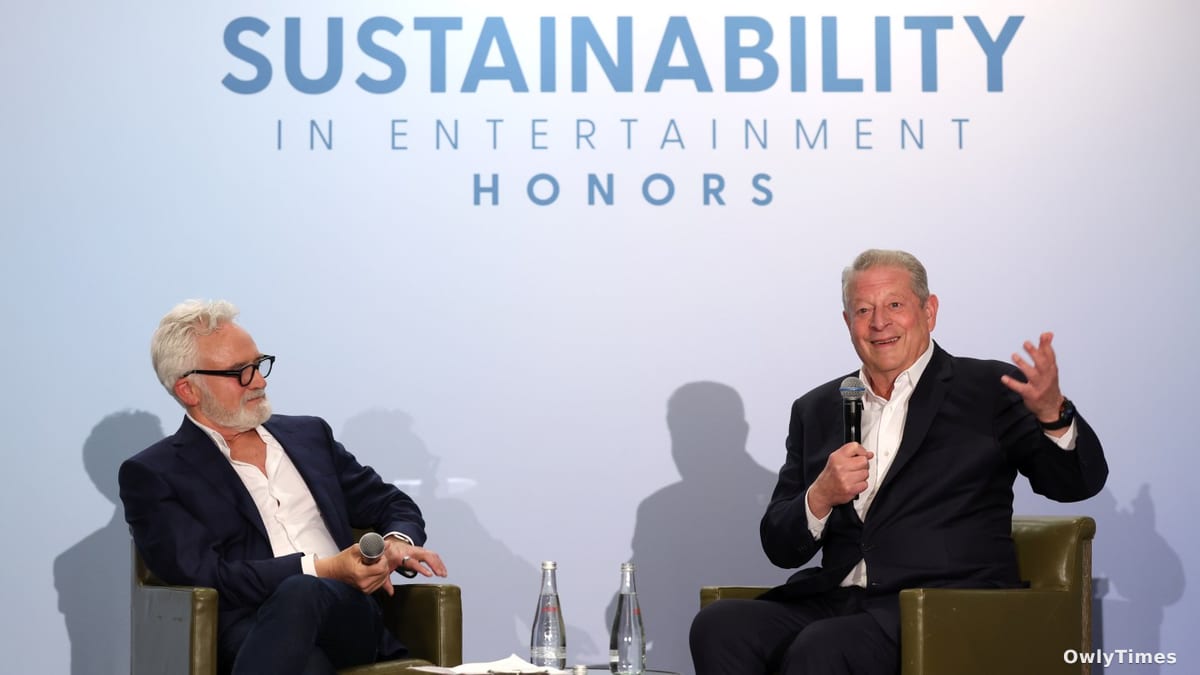

The air at the Hotel Bel-Air last Thursday felt less like a standard Hollywood gala and more like a tactical briefing for the end of the world—or, perhaps, the beginning of its rescue. As the industry gathered for the inaugural Sustainability in Entertainment Honors, the usual chatter about box office projections and streaming metrics was replaced by a more existential urgency. At the center of the room was Al Gore, the man whose 2006 documentary An Inconvenient Truth once turned a slideshow into a global cultural pivot point. Two decades later, the former Vice President wasn't just there to celebrate an anniversary; he was there to diagnose a "climate policy recession" and challenge an industry that has long treated environmental storytelling as a risky venture rather than a moral imperative.
The Myth of the "Fictional" Crisis
The irony of the evening was palpable. Gore, joined in conversation by actor Bradley Whitford, recounted the early days of his advocacy, noting that when he first promoted the 2004 film The Day After Tomorrow, critics dismissed the climate warnings as mere fiction. Today, the fiction has become our daily weather report. Gore noted that while public concern in the U.S. is currently at its "highest record ever," the industry is grappling with a phenomenon he dubbed "climate hushing." It’s a quiet, pervasive pressure where business leaders, fearful of political backlash or powerful interests, opt to downplay the crisis to avoid friction.
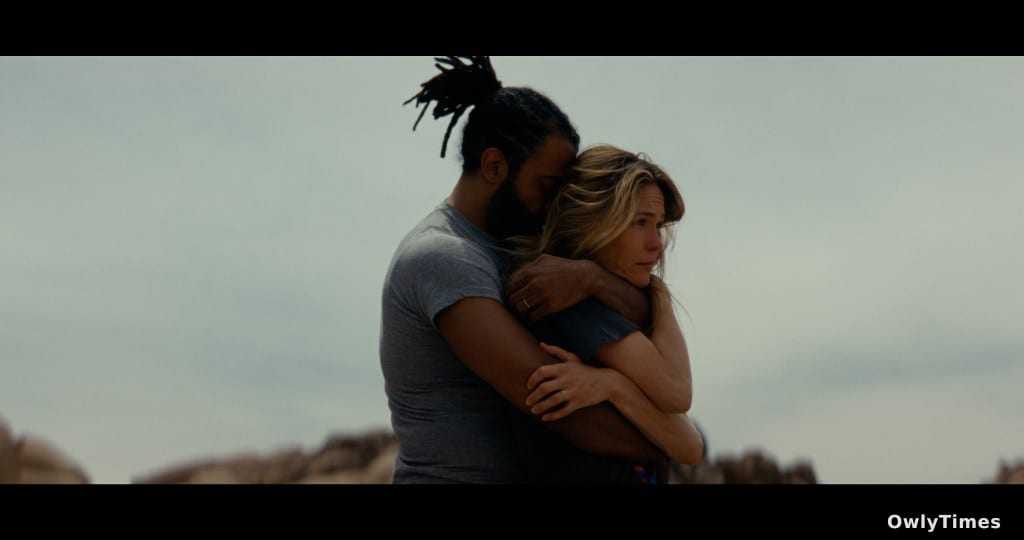
This tension between the reality of a warming planet and the industry’s hesitance to greenlight climate-focused content was underscored by writer Stephen Markley. While accepting the Achievement in Sustainable Storytelling honor for Paradise, Markley didn’t mince words about the state of the business. He pointed out that despite the world being 1.5 degrees hotter, the industry has produced only a handful of climate-centric stories in the last four years. For Markley, whose home city recently saw 16,000 homes burned to the ground, the choice to avoid these stories is a failure of imagination. "Denial continues to be a piss poor strategy," he remarked, noting that failing to reflect the reality of the climate crisis in our media is, effectively, writing science fiction.
Beyond the Trash Piles of Production
The event, a collaboration between The Hollywood Reporter and the Sustainable Entertainment Alliance, also forced a reckoning with the physical footprint of filmmaking. Director Kat Coiro shared a visceral memory of her early career: walking past a dumpster overflowing with plastic bottles after just a single day of production. It is a defining contradiction of the medium—the desire to tell stories that capture the human experience while simultaneously generating a "big, giant pile of trash."
The industry is clearly attempting to pivot. Awards were handed out to The Boroughs for its sustainable production practices and Grey’s Anatomy for its legacy of storytelling, signaling that environmental mindfulness is slowly creeping into the logistics of the craft. Yet, the conversation among industry leaders like Emma Stewart of Netflix and Adam Umhoefer of CAA highlighted that structural change is still battling decades of entrenched habits. The challenge isn't just about reducing waste on set; it’s about breaking the "climate hushing" cycle that prevents sustainability from becoming a core pillar of studio culture.
A New Kind of Scientific Revolution
As the night drew to a close, the focus shifted toward the burgeoning role of artificial intelligence. Gore acknowledged the massive energy demands of data centers but framed the technology as the "most important and significant scientific revolution in all of history." He urged the room to move past panic and toward a rational, prioritized approach to solutions.
Ultimately, the event served as a reminder that Hollywood’s power lies not just in its ability to entertain, but in its capacity to shape the "democratic discourse." As Gore noted, the goal is to revive American values "IRL"—in real life—rather than through the distorted lens of internet bots. Whether the industry can move beyond symbolic honors and into a period of aggressive, honest storytelling will be measured by the next cycle of greenlit projects and the willingness of studios to normalize environmental urgency in their narratives. For now, the signal to watch is the frequency with which these stories move from the fringes of the awards circuit into the mainstream, where they can finally stop being "fictional" and start being the common language of our survival.