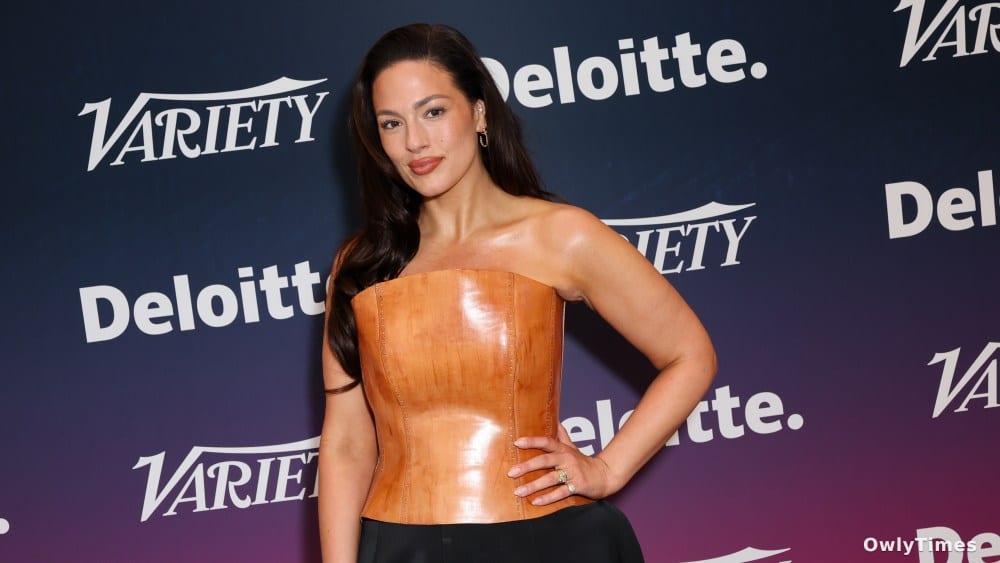

The neon lights of the red carpet usually serve as a sterile runway for celebrity promotion, but at the premiere of The Devil Wears Prada 2, the guest list told a different story. When Ashley Graham stepped out, she didn’t just bring a stylist or a publicist; she brought Ella Halikas, a rising plus-size creator, as her plus one. It was a calculated, human gesture that signaled a shift in how modern icons are leveraging their influence: not by gatekeeping access, but by intentionally opening doors for the communities they represent.
This move, which occurred ahead of the film’s wide theatrical release on May 1, underscores a broader shift in the entertainment landscape where talent is increasingly measured by their ability to curate community. At Variety’s Entertainment Marketing Summit presented by Deloitte, Graham and her longtime agent, UTA Partner Natasha Bolouki, pulled back the curtain on the business mechanics behind this brand-building. For the pair, the cameo in the highly anticipated sequel was never just about a fleeting moment on screen; it was a strategic investment in long-term visibility.
The Strategy Behind the Cameo
Bolouki admitted that the initial discussion regarding the cameo was rooted in the harsh realities of the industry’s editing room. They knew that a small role could easily end up on the cutting room floor, yet they proceeded because they recognized the potential for secondary opportunities. The gamble paid off—Graham not only made the final cut but secured a spot in the film’s opening scene.
According to Bolouki, that singular, "small" opportunity has already served as a catalyst for further professional partnerships. In an era of the multi-hyphenate creator, the traditional boundaries between a model, an actress, and a business owner are blurring. For representatives, the task is no longer just securing a paycheck, but "thinking outside of the box" to ensure that a few seconds of screen time can evolve into a robust career pillar.
Commerce and the Cost of Integrity
Beyond the screen, Graham’s influence is anchored in a rigorous refusal to trade her audience's trust for a quick payout. During the summit, the supermodel revealed she has walked away from million-dollar deals that failed to align with her values or her followers' expectations. This is a significant stance in an industry that often prioritizes immediate revenue over long-term brand equity.
When a deal arrives, Graham and Bolouki employ a "day to think about it" protocol. If the optics don’t ring true to the fans, the dollar amount becomes secondary to the potential reputational damage. This disciplined approach to partnership is particularly vital given Graham’s business ventures, including her plus-size collection in partnership with JC Penney and her company, Lucci Lambrusco. By prioritizing authenticity, she maintains the credibility required to move products in a crowded marketplace.
The Future of Inclusive Influence
Graham’s commitment to size inclusivity remains the heartbeat of her public persona. She is clear-eyed about the work still ahead, noting that the fashion industry must evolve beyond offering only an XL or double XL in stores to truly represent all body types on the runway. Her method of engagement—sending voice notes to fans, commenting in DMs, and hosting intimate dinners—serves as a direct feedback loop that keeps her grounded in the needs of her community.
As the industry navigates the growth of the creator economy, the next reading of engagement metrics and partnership conversion rates will show whether this model of community-centric marketing can replace the traditional, top-down approach to celebrity branding. For Graham and Bolouki, the success of the The Devil Wears Prada 2 cameo is not just about the box office numbers; it is about proving that in the modern entertainment economy, social capital is the most durable currency of all.