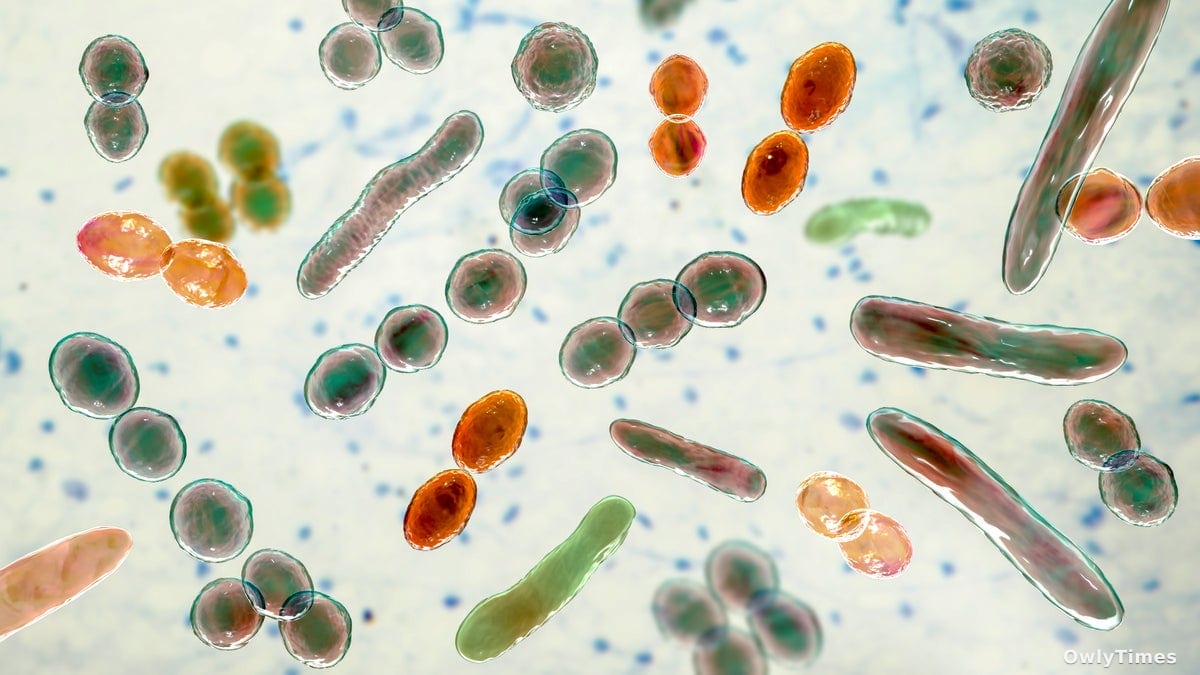

The relentless pursuit of wellness has fueled a billion-dollar market promising insight into the microscopic world within us – the gut microbiome. From fermented foods to personalized supplement regimens, the idea that optimizing our gut bacteria can unlock improvements in everything from immunity to mood has taken hold. But a new study, published today in Communications Biology, reveals a critical disconnect between the promise of at-home microbiome tests and the consistency of their results. This isn’t a story about whether gut health matters – the science supporting its influence is growing – but about whether the tools currently available to assess it are reliable enough to guide personal health decisions.
The core question driving this research, led by Diane Hoffman, a health law professor at the University of Maryland, Baltimore, and Scott Jackson, a former employee of the National Institute of Standards and Technology, wasn’t whether microbiome composition changes – it’s known to be dynamic – but whether seven commercially available at-home tests could even agree on what that composition was at a single point in time. The team meticulously created a homogenous stool sample, essentially blending together healthy fecal matter to ensure a uniform microbial distribution. This controlled sample was then sent to seven different companies offering direct-to-consumer microbiome analysis, following each company’s specific collection and processing instructions. Crucially, three separate tests were submitted to each company, allowing for a direct comparison of results from the same source.
What the researchers found was striking: of the over 1,200 taxonomic groups of microbes identified across all tests, only three microbial genera consistently appeared in the results from all seven companies. This level of discordance isn’t simply a matter of nuance; it suggests fundamental inconsistencies in how these tests are performed and interpreted. Even within the same company, results varied. In one instance, two out of three tests from the same source were labeled “healthy,” while the third was flagged as “unhealthy.” This variability, as Scott Jackson pointed out, “stands out like a sore thumb,” highlighting the inherent uncertainty in the current generation of at-home tests. It’s a far cry from the definitive, personalized insights marketed to consumers.
The implications extend beyond consumer disappointment. Diane Hoffman and her colleagues emphasize that these tests occupy a legal “gray area,” straddling the line between wellness products and medical diagnostics. Currently, no microbiome diagnostic tests are approved by the Food and Drug Administration for clinical use in the U.S. This lack of regulatory oversight allows companies to market their services with claims that haven’t been rigorously validated. The study doesn’t suggest malicious intent, but rather underscores the fact that the science and the regulatory framework “just aren’t there yet,” to support the widespread use of these tests for medical decision-making. The reliance on user-collected stool samples, while practical, introduces further variables – different collection methods, storage conditions, and even the portion of the stool sample used can all influence results.
This article draws on reporting from scientificamerican.com.
It’s important to acknowledge the limitations of this study. The research team deliberately chose not to name the companies involved, prioritizing a focus on the broader methodological issues rather than singling out specific brands. While this protects individual companies, it also means consumers lack specific guidance on which tests might be more reliable. Furthermore, the study focused solely on the consistency of results, not on the clinical relevance of any specific microbial findings. Determining whether variations in microbiome composition actually translate to meaningful health differences requires further investigation.
Looking ahead, the next crucial steps involve establishing standardized protocols for sample collection, processing, and data analysis. The National Institute of Standards and Technology is already working on developing reference materials for microbiome research, which will serve as a benchmark for evaluating test accuracy. More importantly, rigorous clinical trials are needed to determine whether interventions based on microbiome test results – dietary changes, probiotic supplements, etc. – actually lead to measurable health improvements. Until then, consumers should approach at-home microbiome tests with a healthy dose of skepticism and avoid making significant lifestyle or medical decisions based solely on their results. The question now isn’t if we can unlock the secrets of the gut microbiome, but when the tools we use to do so will be accurate and reliable enough to truly empower informed health choices. Will we see the FDA step in to regulate this rapidly expanding market, and what impact will that have on consumer access to these tests? That’s a scenario worth watching closely.