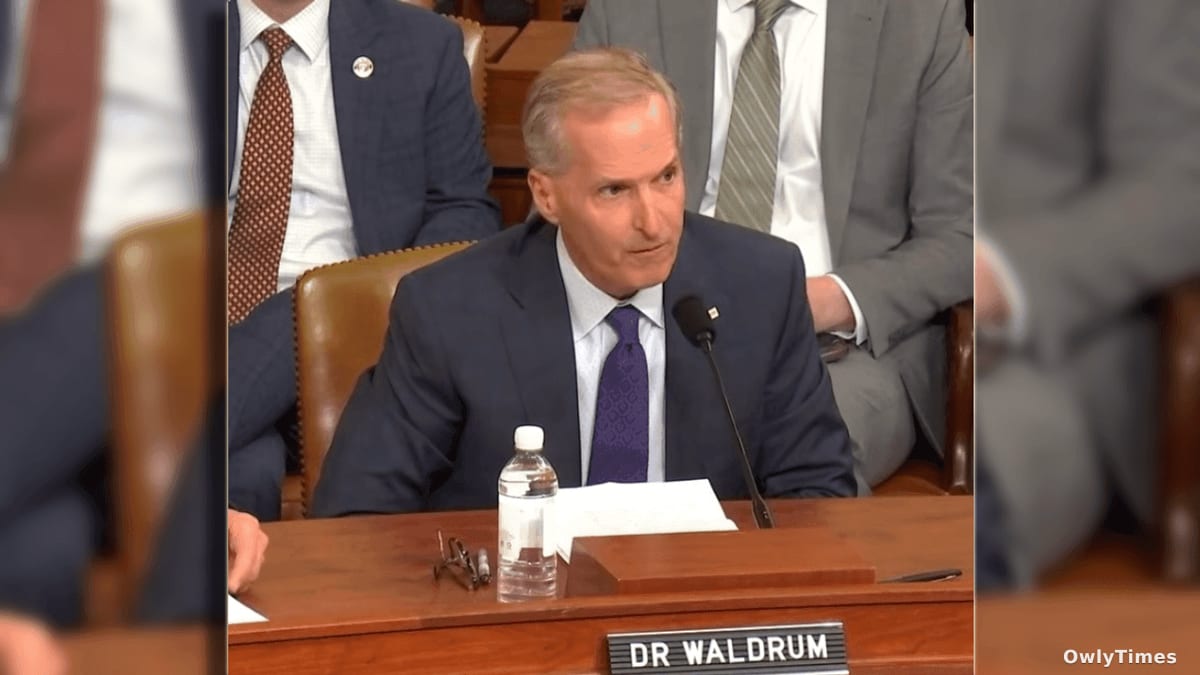

Can a national healthcare policy designed to improve efficiency in dense metropolitan centers inadvertently dismantle the survival infrastructure of rural America? This is the core question raised by recent testimony before the U.S. House Committee on Ways and Means, where the limitations of standardized federal regulations were brought into sharp focus. While the intent of such policies is often to curb rising costs, the reality on the ground in regions like eastern North Carolina suggests that a uniform approach may overlook the fragile equilibrium required to keep remote hospitals functional.
The Rural Vulnerability Gap
The testimony delivered on Tuesday, April 28, 2026, by Dr. Michael Waldrum, CEO of ECU Health, serves as a sobering reminder of the geographic divide in medical outcomes. As a critical care physician overseeing a nonprofit system that covers 1.4 million people across a 29-county region, Waldrum is uniquely positioned to observe the friction between federal mandate and local reality. He noted that his region ranks among the poorest and least healthy in the country, a socioeconomic profile that makes local health systems particularly susceptible to the shocks of consolidation and hospital closures.
When headlines discuss the "rising costs" of healthcare, they often focus on administrative overhead or pharmaceutical pricing. However, the study of rural health systems reveals a different set of pressures: older, sicker patient populations, chronic workforce shortages, and the inherent, massive cost of providing care across vast geographic distances. What the headlines often miss is that rural health systems are not simply smaller versions of urban hospitals; they are the primary safety nets for their communities.
The Limits of the Hub-and-Spoke Model
To mitigate these pressures, ECU Health has shifted toward a "hub-and-spoke" model, where a central academic medical center provides the clinical backbone for eight hospitals and over 1,200 providers. While this structure is designed to optimize resources, it is not a panacea. Waldrum emphasized that when profit-driven entities exit these rural markets, the burden of maintaining critical services falls entirely on nonprofit providers. This creates a precarious situation where the loss of a single spoke in the network can threaten the viability of the entire regional system.
It is important to consider the limitations inherent in this testimony. While the data from ECU Health provides a vital case study, it represents a specific, nonprofit-led model in the American South. Whether these findings can be universally applied to rural systems in the Midwest or the Pacific Northwest remains a subject of ongoing debate. Furthermore, the tension between federal fiscal discipline and the need for rural subsidies remains unresolved, as the committee must balance national budget constraints against the mounting evidence of regional health disparities.
Sustaining the Safety Net
The fundamental challenge moving forward is how to craft legislation that recognizes the unique fiscal and operational burdens of rural healthcare without compromising the broader goal of systemic cost reduction. Waldrum’s warning against "one-size-fits-all" policies serves as a reminder that healthcare access is fundamentally a local resource issue. Policies that prioritize rapid, industry-wide consolidation may look efficient on a balance sheet, but they risk eroding the very foundation of rural medicine.
The next readings of hospital closure rates and provider recruitment metrics in these 29 counties will likely indicate whether current federal support mechanisms are successfully stabilizing the region or if further, more targeted intervention will be required to prevent the collapse of this critical infrastructure.





