
The Calculated Ambiguity of “Not Iraq”: Assessing the Trump Administration’s Strategy in Iran
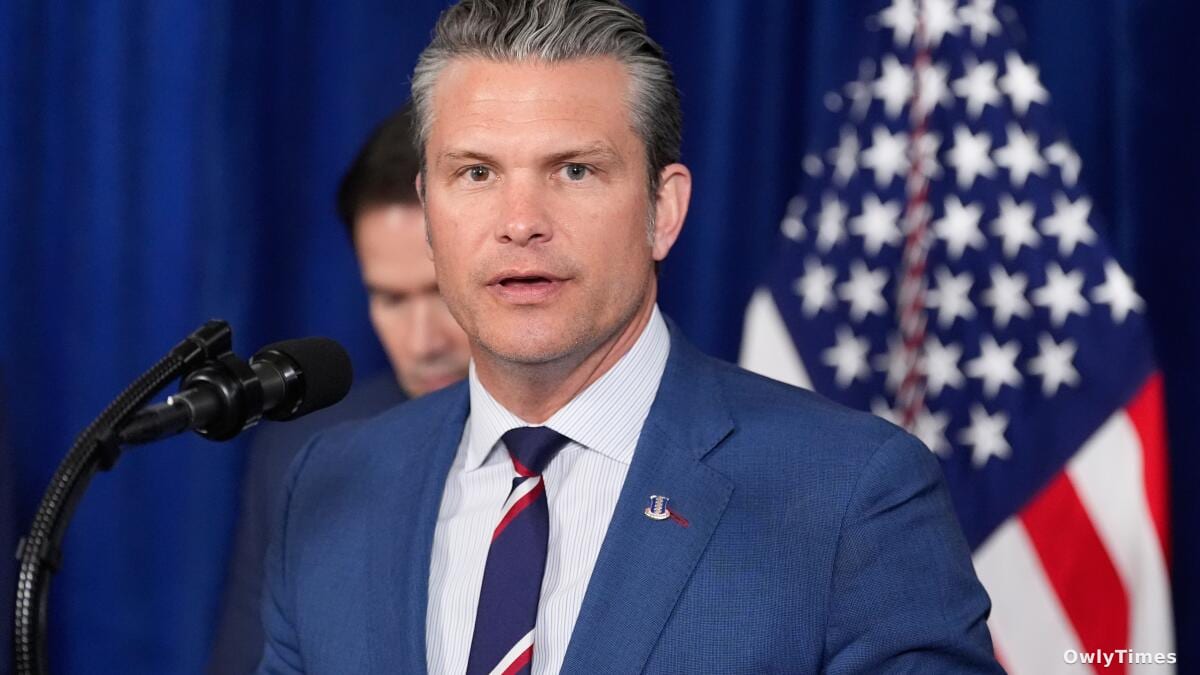
The Trump administration’s insistence that the current escalation with Iran is “not Iraq” isn’t a denial of risk, but a deliberate framing of the conflict’s strategic limits – and, crucially, a signal to both domestic and international audiences about the acceptable cost. Defense Secretary Pete Hegseth’s repeated assertion, alongside Chairman of the Joint Chiefs of Staff Dan Caine, isn’t about minimizing the potential for a protracted war, but about pre-emptively managing expectations and justifying a focused, albeit aggressive, military operation. The core calculus is clear: demonstrate overwhelming force to deter future aggression, without committing to a large-scale, nation-building intervention. This is a high-stakes gamble predicated on the belief that a swift, decisive display of power will be sufficient to recalibrate Iranian behavior.
See the original the Los Angeles Times story for the full account.
The briefing itself, delivered by Hegseth and Caine while President Trump maintains a carefully curated distance from direct questioning, reveals a layered approach to information control. Trump’s limited public statements – two videos and selective interviews – allow him to project strength without being pinned down to specifics. This contrasts sharply with the Bush administration’s extensive public justifications leading up to the Iraq War, a precedent the current administration is actively attempting to distance itself from. The choice to hold the first official briefing after the strikes, rather than before, underscores a preference for action-based communication. The administration is demonstrating, not debating, its policy. Who benefits from this approach? Primarily, Trump himself, who can claim decisive action against a long-standing adversary without fully owning the potential consequences. Who loses? Congress, largely sidelined and receiving conflicting information, and the American public, left to interpret a deliberately opaque narrative.
The claim that the operation is “not a regime change war” is particularly telling. While Hegseth acknowledges the “regime sure did change,” this is presented as an unintended consequence, not a stated objective. This is a crucial distinction. The historical parallel here isn’t solely Iraq, but the Clinton administration’s interventions in the Balkans. Like those operations, the current strikes appear aimed at degrading specific capabilities – in this case, Iranian missile and naval power – rather than toppling the government in Tehran. However, the killing of Ayatollah Ali Khamenei fundamentally alters that calculation. While not explicitly stated as a goal, the removal of the Supreme Leader introduces a level of instability that inherently challenges the existing power structure. The administration’s insistence on downplaying this impact strains credibility, particularly given the acknowledged broader instability the action has caused, with 555 reported deaths in Iran, 11 in Israel, and 31 in Lebanon.
The incident involving Kuwait shooting down three American fighter jets highlights the inherent dangers of escalating conflict in a densely populated and politically volatile region. This “friendly fire” incident, while thankfully resulting in no fatalities, underscores the risk of miscalculation and the potential for the conflict to spiral beyond the administration’s control. The fact that U.S. Central Command quickly released information about the safe ejection of the pilots suggests a deliberate effort to mitigate the political fallout. The reliance on cyber warfare, as emphasized by Caine, is a key component of this strategy. Disrupting Iranian communications and sensor networks aims to limit their ability to retaliate effectively, offering a less visible – and potentially less escalatory – means of achieving military objectives. However, the effectiveness of these cyberattacks remains largely unverified, and their long-term impact is uncertain.
The discrepancy between the administration’s public messaging and the intelligence presented to Congress is a critical point of contention. While Trump claims the operation targeted “imminent threats,” administration officials reportedly told congressional staff that there was no evidence of an impending Iranian preemptive strike. This suggests a potential manipulation of intelligence to justify a pre-planned military action. The administration’s insistence on portraying Iran as the aggressor, citing 47 years of “savage, one-sided war against America,” is a rhetorical framing designed to garner public support and legitimize the use of force. The predicted timeline of “four to five weeks” offered by Trump, and subsequently downplayed by Hegseth, further illustrates the administration’s attempt to control the narrative and manage expectations. The political chess move to watch next isn’t whether the conflict expands geographically, but whether Secretary of State Marco Rubio’s briefing to Congress – and the subsequent full membership briefing with Rubio, Hegseth, Caine, and CIA Director John Ratcliffe – will reveal a more honest assessment of the intelligence that underpinned this operation, or further reinforce the administration’s carefully constructed narrative.





