
The Shifting Sands: Saudi Arabia’s Pledge Signals a New Regional Alignment
The immediate fallout from the US and Israeli strikes on Iran isn’t simply escalating tensions – it’s actively redrawing the security architecture of the Middle East. Saudi Arabia’s unusually forceful statement offering “all its capabilities” to its Gulf allies isn’t merely diplomatic support; it’s a calculated signal of alignment with Washington and a clear message to Tehran that a new red line has been crossed. This isn’t a spontaneous reaction to Iranian missile strikes on US bases in the region; it’s the culmination of years of Saudi frustration with Iran’s regional ambitions and a strategic opportunity to solidify a partnership with the US under a renewed, if unspoken, security guarantee. The phrasing – “all its capabilities” – is deliberately broad, hinting at potential military, intelligence, and economic support, and represents a significant escalation in Crown Prince Mohammed bin Salman’s willingness to publicly confront Iran.
Assessing the Damage: Who Benefits and Who Loses?
The immediate beneficiaries of this shift are, predictably, the US and Israel. The strikes against Iran, while carrying inherent risks of escalation, were undertaken with the tacit understanding – now publicly affirmed by Riyadh – that the Gulf states wouldn’t allow Iran to exploit the situation. This significantly limits Iran’s options for asymmetric warfare and reduces the likelihood of a wider regional conflict spiraling out of control. Qatar, Kuwait, Bahrain, UAE, and Jordan, all targeted by Iranian missiles, also gain a degree of security reassurance, knowing Saudi Arabia stands ready to defend them. Conversely, Iran is the clear loser, facing increased isolation and the prospect of a coordinated front against its regional influence. However, the situation is more nuanced for actors like Venezuela, which condemned the US strikes while simultaneously criticizing Iran’s retaliatory attacks – a position highlighting the complex geopolitical calculations at play for nations attempting to navigate between major powers. Even within the US, the political landscape is fractured, as evidenced by NYC Mayor Zohran Mamdani’s condemnation of the strikes as an “illegal war of aggression,” demonstrating the domestic challenges to maintaining a unified foreign policy.
Reporting from the New York Post informs this analysis.
Echoes of Containment: A Historical Parallel
This dynamic bears a striking resemblance to the “dual containment” strategy pursued by the Clinton administration in the 1990s, aimed at simultaneously containing Iraq and Iran. While the context is different – the current situation involves a more direct confrontation with Iran’s nuclear program and regional proxies – the underlying principle remains the same: isolating Iran and bolstering regional allies to counter its influence. The key difference now is the active involvement of Israel, which was largely sidelined during the dual containment era. The 1991 Gulf War similarly saw Saudi Arabia acting as a key logistical and financial partner to the US-led coalition, demonstrating a historical pattern of Riyadh aligning with Washington when its core security interests are threatened. However, the current situation is arguably more precarious, given the direct targeting of Iranian leadership and the potential for miscalculation. The scale of Israel’s strikes – reportedly hitting 500 targets – is unprecedented and significantly raises the stakes.
Beyond the Rhetoric: The Limits of Saudi Power
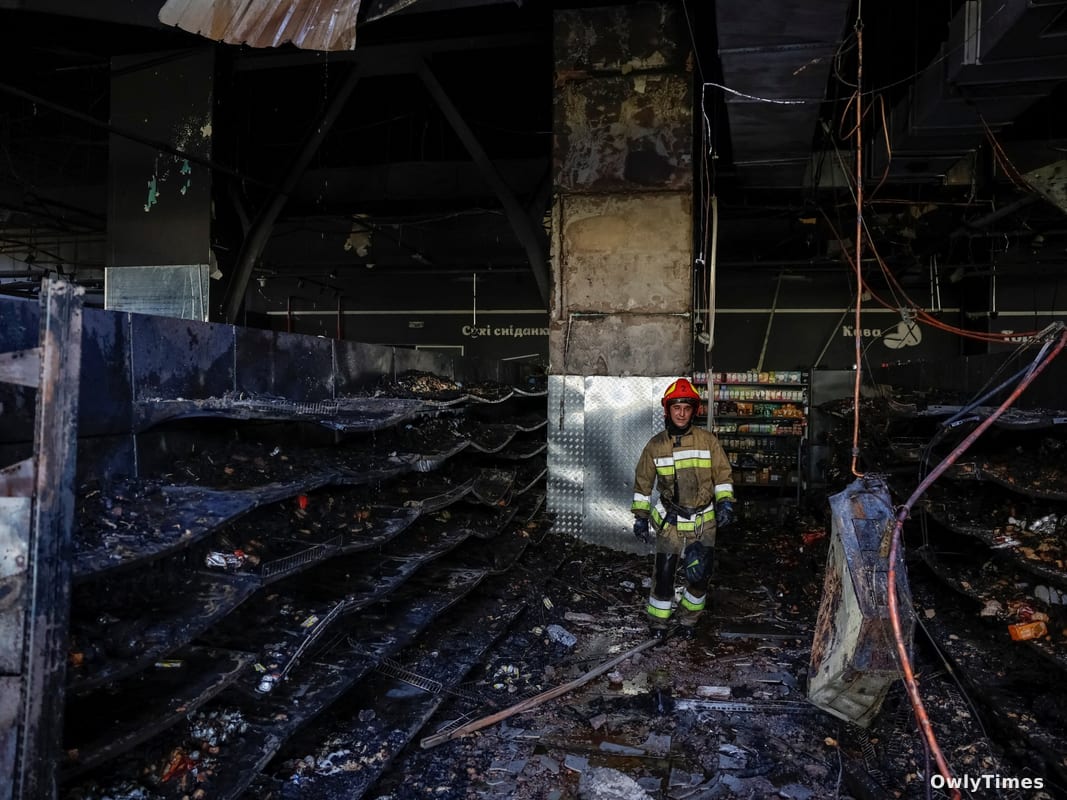
While Saudi Arabia’s pledge is significant, it’s crucial to assess the practical limits of its “capabilities.” The Kingdom’s military modernization efforts have been substantial in recent years, but its armed forces still lack the experience and technological sophistication of the US and Israel. Its primary contribution will likely be intelligence sharing, logistical support, and potentially the opening of its airspace for further military operations. Furthermore, the internal political dynamics within Saudi Arabia cannot be ignored. While Crown Prince Mohammed bin Salman has consolidated power, any significant escalation in the conflict could face domestic opposition, particularly if it leads to economic disruption or increased security risks within the Kingdom itself. The fire at the luxury Dubai hotel, Fairmont The Palm, during the Iranian retaliatory strikes serves as a stark reminder of the region’s vulnerability and the potential for collateral damage.
The Next Chess Move: Monitoring Iranian Response to Gulf States
The immediate focus now shifts to Iran’s response. Will Ayatollah Ali Khamenei’s regime opt for further direct military escalation, risking a full-scale war? Or will it rely on its network of proxies – Hezbollah in Lebanon, Houthi rebels in Yemen, and Shia militias in Iraq – to launch attacks against US and allied interests? The critical indicator to watch isn’t simply Iran’s actions against the US and Israel, but its response to the unified front presented by the Gulf states. Specifically, will Iran attempt to drive a wedge between Saudi Arabia and its allies, or will it escalate attacks directly targeting Gulf infrastructure? The answer to that question will determine whether this crisis remains contained or spirals into a wider regional conflagration.