
$47 billion is the figure representing the combined value of the US hemp and CBD market – a figure now facing potential decimation due to a federal ban intended to curb intoxicating “gas station weed.” While the intent targets unregulated, high-potency hemp-derived products mimicking marijuana, the new regulations, slated for November, threaten to dismantle a significant portion of the legitimate CBD wellness industry and send shockwaves through a Massachusetts sector already struggling under state-level restrictions. Follow the money, and the picture reveals a complex interplay of regulatory overreach, market exploitation, and the potential loss of a burgeoning economic force.
The core of the issue lies in a loophole exploited by some manufacturers. Legalized federally in 2018, hemp – distinct from marijuana due to its low THC content – has found applications in diverse industries, from paper and textiles to auto parts. However, some companies began synthesizing psychoactive compounds from hemp-derived cannabinoids, creating products sold without age restrictions or quality control. This proliferation of unregulated “gas station weed” prompted a response from regulators, culminating in a provision within a recent government funding bill that drastically lowers the allowable THC content in hemp products – effectively to zero. This is a 99.7% reduction from the current federal limit of 0.3%.
Massachusetts already took steps in 2022 to ban these synthetic compounds, but the federal action goes further, potentially outlawing even naturally occurring trace amounts of THC found in many non-intoxicating CBD products. Dustin Sulak, a physician and founder of CBD company Healer, argues the regulations are overly broad, stating they would “outlaw the naturally occurring form of the hemp plant.” This isn’t simply about eliminating illicit products; it’s about redefining what constitutes legal hemp, and the consequences are far-reaching.
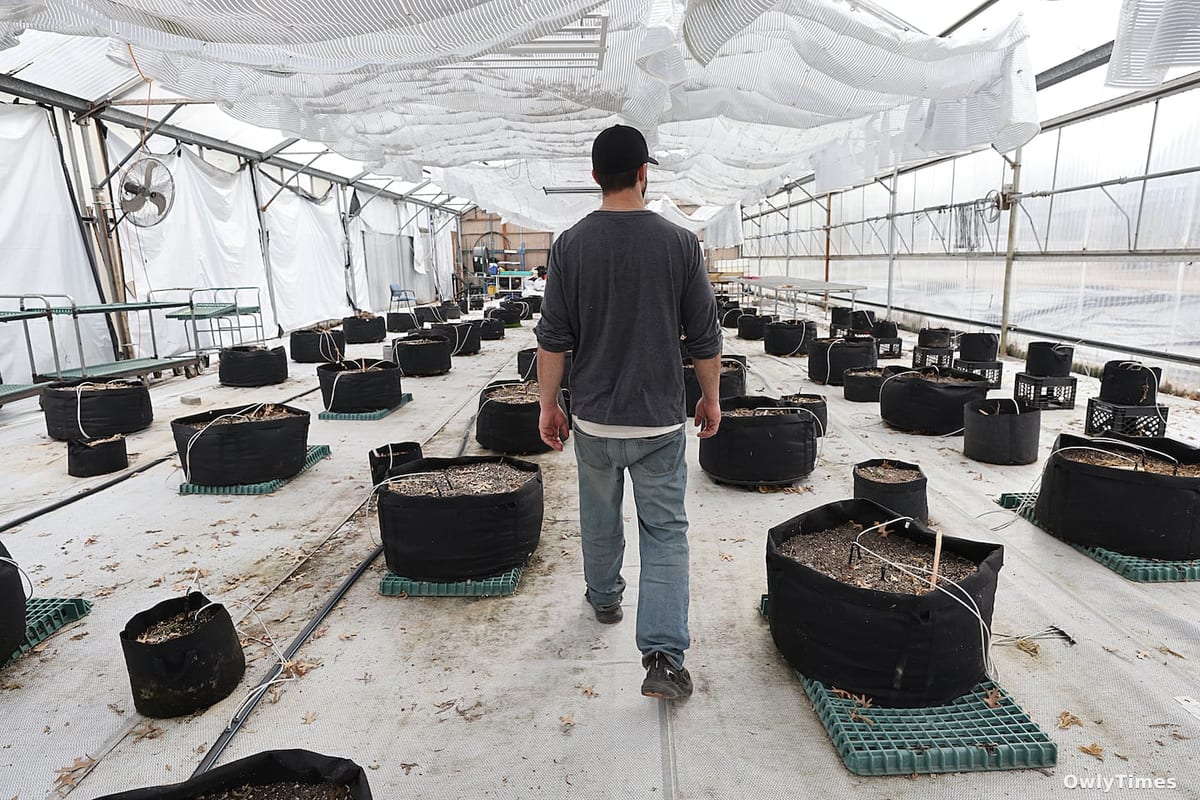
The impact on farmers is immediate and palpable. Kevin McGovern, the first farmer to legally harvest hemp in Massachusetts in 2018, is now hesitant to replant, fearing his entire crop will be rendered illegal. “It just feels like they’re trying to put us all in this one small little box,” he said, standing in his Westborough greenhouse. His situation isn’t isolated. Data from Whitney Economics reveals that a third of hemp product manufacturers and processors plan to shift away from hemp or close entirely this year, while roughly half of nationwide hemp farmers won’t replant this season – despite hemp yielding higher revenues per acre than soy or corn in 2024. This represents a dramatic reversal from the industry’s peak in 2019, when Massachusetts boasted 122 licensed hemp growers and processors, a number that has since plummeted to just 17, an 86% decrease.
Source material: bostonglobe.com.
The ripple effect extends beyond the farm. CBD retailers like Amy Counts of Roslindale are facing the “heartbreaking” decision to liquidate their inventory, as their full-spectrum products – containing all parts of the cannabis plant, including trace THC – will become illegal. Even the marijuana industry could be affected, as they often source compounds from hemp farmers for use in edibles and other products. The updated standards, capping THC content at less than half a milligram per container, are “extremely difficult” to meet, according to Riley Kirk, a pharmaceutical scientist, requiring costly lab work that could degrade product quality.
The tension here is stark: regulators are attempting to address a problem of unregulated psychoactive products, but the solution risks crippling a legitimate industry providing therapeutic benefits to millions. Justin Stevenson, a resident who transitioned to full-spectrum CBD after developing an opioid dependency, calls the ban “unfair” and “uninformed.” Vickie Gadles, a cancer survivor, fears losing access to a remedy that manages her pain. These aren’t isolated anecdotes; they represent a growing chorus of concern from consumers who rely on CBD for a range of conditions. The Massachusetts hemp industry, already hampered by state-level beverage bans, accounted for roughly 2,800 jobs and over $232 million in wages in 2023, with projections estimating a potential $1 billion market by 2025 – a potential now jeopardized.
Enforcement remains a significant question mark. Local health officials, already stretched thin, have struggled with limited resources, despite increased crackdowns in the past year. Lobbying efforts to delay the ban have so far been unsuccessful. While some, like Steve Reilly of INSA, hope the federal ban will spur more aggressive enforcement in Massachusetts, the lack of clarity and resources raises doubts about its effectiveness.
What this means for your wallet: expect to see CBD product availability shrink and prices rise. The ban will likely drive consumers towards the regulated marijuana market, but for those seeking the specific benefits of full-spectrum CBD, the options will become increasingly limited. The key question now is whether the federal government will respond to the growing outcry and refine the regulations to distinguish between legitimate CBD products and the illicit “gas station weed” they initially aimed to eliminate – or whether they will continue down a path that could effectively extinguish a multi-billion dollar industry. Watch closely for any amendments to the ban or guidance on enforcement; the future of the hemp and CBD market hangs in the balance.





