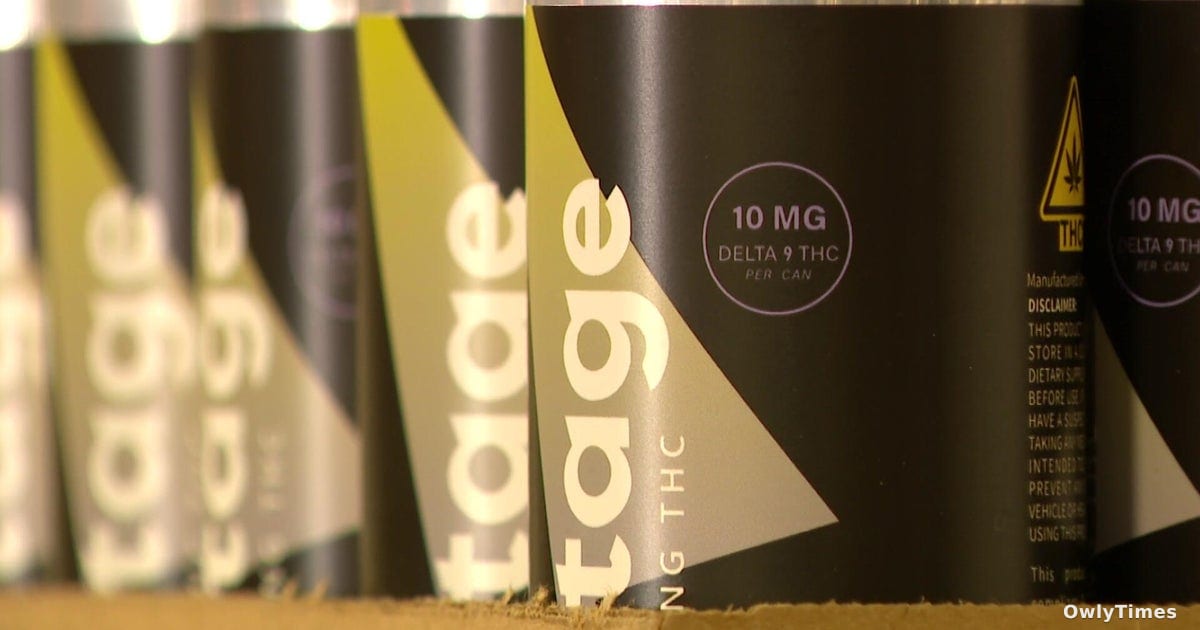

$180 million is at stake as a quietly booming sector of Minnesota’s beverage market faces potential decimation this fall. A last-minute provision tucked into a 2024 federal spending bill is poised to redefine “hemp” – and effectively outlaw the THC-infused drinks and edibles that generated $180 million in revenue for the state last year, according to data from the Minnesota Department of Revenue and cannabis sales trackers. The shift isn’t about a change in Minnesota law, but a federal recalibration that threatens to unravel a market built on a legal loophole and rapid innovation.
The THC Threshold and the Shifting Definition of Hemp
The core of the issue lies in a revised THC threshold. The 2018 Farm Bill federally legalized hemp, defined as cannabis containing 0.3% or less Delta-9 THC. This created a gray area exploited by manufacturers to produce beverages and edibles with levels of THC exceeding the 0.4 milligram limit stipulated in the new federal rule, effectively classifying them as marijuana – subject to far stricter regulations. While most products currently on Minnesota shelves contain 5 milligrams of THC per serving, and some reach 10 milligrams per container, the new standard drastically alters the landscape. This isn’t a crackdown on illicit drugs; it’s a reclassification of products already legally sold, and the consequences are cascading through the industry.
Reporting from CBS News informs this analysis.
From Overnight Success to Uncertain Future: Trail Magic’s Story
The speed of this market’s growth is central to understanding the disruption. Jason Dayton, cofounder of Minneapolis Cider Company and creator of the THC drink brand Trail Magic, described the impact of the 2022 Minnesota law explicitly legalizing these products as “transformative.” Trail Magic, capitalizing on this new legal space, built a business that now ships to 25 states. However, the federal change threatens to dismantle this interstate commerce and confine sales to licensed marijuana dispensaries – a model Dayton argues is demonstrably less lucrative, citing California where THC beverages account for only 1% of total cannabis sales. Follow the money: the shift from widespread retail availability to limited dispensary access represents a potential 80-90% revenue reduction for companies like Trail Magic, based on comparative market data.
The Ripple Effect: Beyond Beverages and Into Adaptogens
The impact extends beyond beverage producers. Nathan Schneider, president of the Minnesota Craft Brewers Guild and owner of Voltage THC, invested in his business just days before the federal change was approved. Now, he’s pivoting to explore alternatives like beverages infused with adaptogens – plant-based compounds marketed for stress management and other health benefits. This isn’t simply diversification; it’s a reactive strategy to a regulatory shockwave. Schneider’s move highlights a broader tension: businesses that aggressively scaled based on the existing legal framework are now forced to scramble for alternatives, potentially abandoning the THC market altogether. The longer the uncertainty persists, the more costly and disruptive these pivots become.
Banking, Taxes, and the Return to Prohibition-Era Restrictions
The reclassification of THC-infused products as marijuana carries implications beyond retail access. Marijuana remains a Schedule I drug at the federal level, subjecting cannabis businesses to significant tax penalties and hindering access to traditional banking services. This creates operational hurdles and financial vulnerabilities. The new federal rule effectively reinstates many of the challenges faced by cannabis companies before the 2018 Farm Bill, despite Minnesota’s legalization of adult-use cannabis. This creates a bizarre legal paradox: a product legal at the state level could be effectively prohibited at the federal level, creating a compliance nightmare for businesses and regulators alike. Schneider bluntly stated the stakes: “We will see breweries close, for sure, if this doesn't change.”
What this means for your wallet: expect to see a shrinking selection of THC-infused beverages on store shelves in the coming months, and potentially higher prices for those that remain. More importantly, watch whether Congress acts to amend the agriculture spending package before November. If they don’t, the question isn’t just about the future of Trail Magic or Voltage THC, but whether Minnesota’s burgeoning hemp-derived beverage market will be relegated to a niche product sold exclusively in dispensaries – or disappear entirely.