
Beyond Emergency Rooms: Henderson County’s Shift in Responding to Behavioral Health Crises
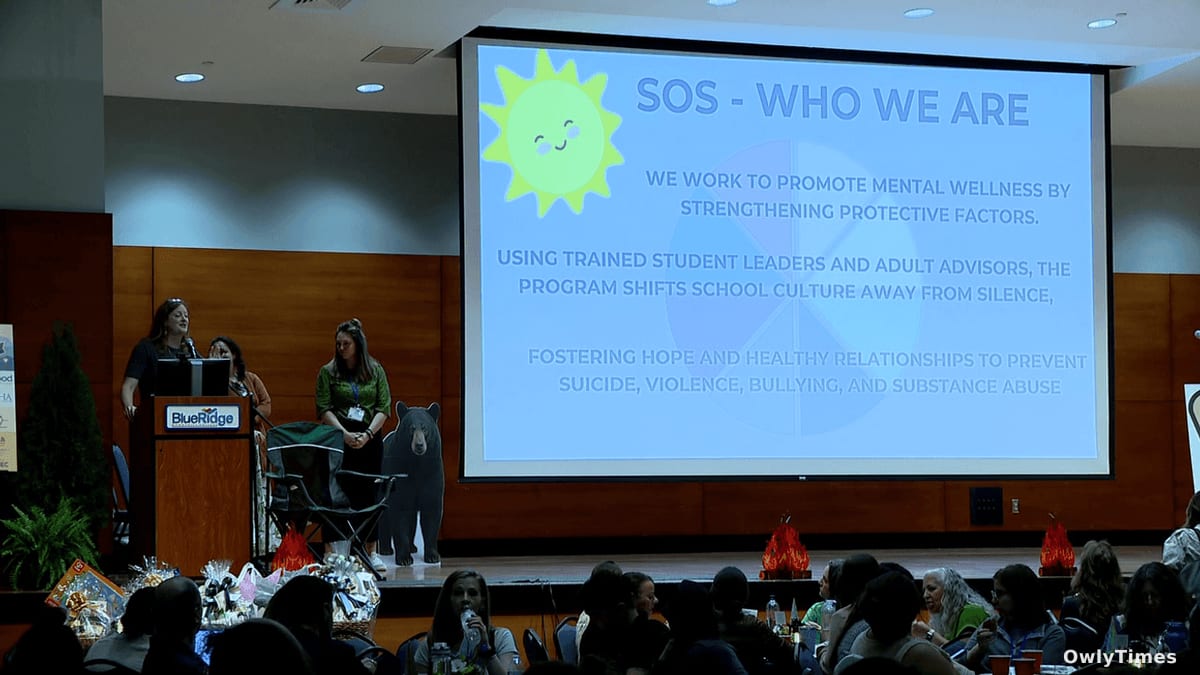
The sheer volume of people gathered at the 2026 Henderson County Behavioral Health Conference – hundreds of first responders, healthcare providers, and state leaders at Blue Ridge Community College on March 23rd – speaks to a quiet revolution underway in how western North Carolina approaches mental and behavioral health. It’s not simply about more services, though workforce shortages and system coordination were key conference topics. The core shift, and what distinguishes this moment, is a move away from treating crises as solely the domain of emergency services and toward proactive, community-based intervention. This isn’t a new idea, but the data emerging from Henderson County suggests a tangible, measurable impact from a program designed to meet people where they are – and before a situation escalates to require police involvement.
The conference itself, featuring over 30 speakers and exhibitors, underscored the multifaceted nature of the challenge. While discussions ranged from long-term recovery strategies to addressing the critical shortage of behavioral health professionals, a central theme revolved around the 911 call: the often-fraught first point of contact for individuals experiencing a mental health crisis. For years, this system has been criticized for its reliance on law enforcement as first responders, potentially exacerbating situations and leading to tragic outcomes. Henderson County’s new community paramedic program, launched in January, represents a deliberate attempt to alter that trajectory. Tanya Bryson, community paramedic coordinator for the county, explained the program’s focus: identifying “high utilizers” of the 911 system – individuals who repeatedly call for help due to behavioral health issues, chronic conditions, or lack of access to care – and providing targeted support.
What’s particularly noteworthy isn’t just that Henderson County implemented this program, but who it’s serving. Bryson reports that 70 to 75% of patients entering the program have an underlying behavioral health issue. This figure is significant because it highlights the extent to which mental health concerns are interwoven with other vulnerabilities, such as substance use, unmanaged chronic illness, and socioeconomic factors. It also challenges the common, and often inaccurate, assumption that frequent 911 callers are simply seeking attention or are intentionally manipulative. The program’s approach – following up with patients after emergencies, connecting them to resources, and providing ongoing support – is predicated on the understanding that these calls are often cries for help stemming from unmet needs. The program isn’t replacing 911, but rather filtering certain calls to provide a more appropriate, and potentially more effective, response.
See the original wlos.com story for the full account.
The collaboration between community paramedics and law enforcement is a carefully calibrated element of the program. While paramedics often respond alongside officers, the intention is for paramedics to take the lead in de-escalating situations, with officers providing a safety net if needed. Bryson described officers “hanging back” and allowing paramedics to engage with patients, a subtle but crucial shift in power dynamics. This approach acknowledges the potential for law enforcement presence to escalate tensions while recognizing the need for officer safety. It’s a pragmatic compromise, born from the understanding that a one-size-fits-all response to behavioral health crises is rarely effective. This model is particularly relevant given the recent officer-involved shooting in Hendersonville, currently under investigation by the NCSBI, which underscores the potential for tragic outcomes when law enforcement is the primary responder in a mental health crisis.
Limitations to Consider
While the initial data from Henderson County is promising, it’s crucial to approach these findings with caution. The program is still in its early stages, and long-term outcomes haven’t yet been fully evaluated. The 70-75% figure regarding underlying behavioral health issues represents the current patient population within the program; it doesn’t necessarily reflect the prevalence of behavioral health concerns among all 911 callers in the county. Furthermore, the success of the program relies heavily on the availability of adequate resources – including access to mental health services, substance abuse treatment, and affordable housing – to which paramedics can connect patients. Without a robust support system in place, the program’s impact may be limited. The program’s scalability to other, potentially less-resourced, counties also remains an open question.
The recent launch of the NCDHHS statewide online mental health bed registry, tied to the 988 hotline, is a complementary development, but its effectiveness will depend on accurate and up-to-date information regarding bed availability. A registry is only useful if it accurately reflects the reality on the ground. The true test of these initiatives will be whether they demonstrably reduce hospital readmissions, decrease interactions with law enforcement, and, most importantly, improve the lives of individuals struggling with behavioral health challenges.
Looking ahead, the next crucial research step involves a rigorous evaluation of the Henderson County program’s cost-effectiveness. Does diverting individuals from emergency rooms and law enforcement encounters to community-based care ultimately result in cost savings for the healthcare system and the county? Beyond cost, researchers need to assess the program’s impact on patient outcomes – including measures of mental well-being, substance use, and overall quality of life. Perhaps most importantly, we need to understand whether this model can be successfully replicated in other communities, particularly those with different demographics, resource levels, and existing systems of care. Will other counties adopt a similar approach, and will they be able to achieve comparable results? The answer to that question will determine whether Henderson County’s experiment represents a genuine turning point in how we respond to behavioral health crises, or simply a promising, but localized, success story.