
A $12.7 Billion Surplus Signals a Shift in Hong Kong’s Fiscal Strategy
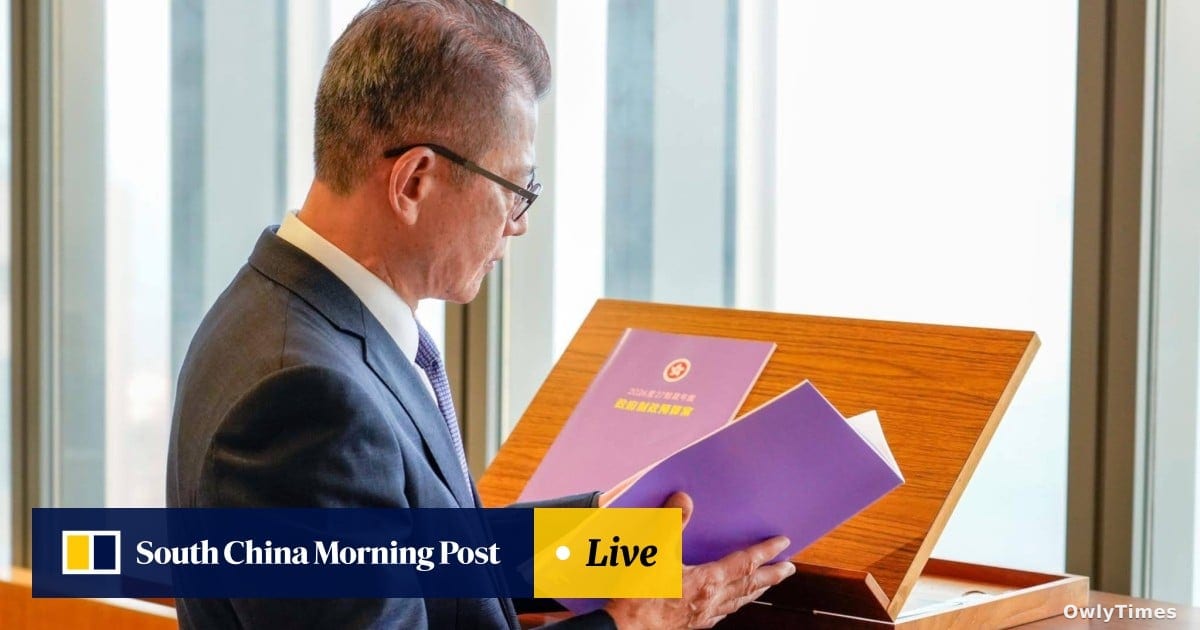
A surplus of HK$100 billion (US$12.7 billion) – a figure nearly 13 times larger than initial estimates – doesn’t simply mark the end of Hong Kong’s three-year deficit streak; it reveals a deliberate recalibration of fiscal policy under Finance Chief Paul Chan Mo-po. While a surging stock market undeniably fueled this turnaround, the budget unveiled on Wednesday isn’t characterized by widespread “sweeteners” as some anticipated. Instead, it’s a strategic investment plan focused on solidifying Hong Kong’s position within the broader national economic framework, prioritizing long-term resilience over immediate public spending. This isn’t a windfall to be distributed, but capital to be deployed – and the choices made now will define Hong Kong’s economic trajectory for the next five years.
Based on the original scmp.com report.
The Stock Market Boom: A Temporary Tailwind or Sustainable Growth?
The dramatic shift from projected deficits to a double-digit billion dollar surplus is inextricably linked to the performance of the Hong Kong stock exchange. The Hang Seng Index experienced a significant rebound in 2023 and early 2024, driven largely by mainland Chinese investment and a reassessment of risk. This surge translated directly into increased stamp duty revenue, a key component of the government’s income. However, relying on market volatility for fiscal stability is inherently precarious. While stamp duty revenue contributed significantly to the surplus, it’s a revenue stream that can evaporate as quickly as it appears – down 33.8% year-on-year in January 2024 alone, according to the Hong Kong government. Chan’s cautious approach, emphasizing reserve building, acknowledges this inherent instability, but the question remains: how much of this surplus is truly sustainable, and how much is a temporary benefit of market conditions?
Investing in Innovation: Beyond the Border and Into the Future
The budget allocates substantial funds to bolstering Hong Kong’s innovation and technology sector, with a particular focus on the development of an innovation hub near the border with Shenzhen. This isn’t merely about fostering technological advancement; it’s about strategically aligning Hong Kong with the nation’s 15th five-year plan, which positions the city as a hub for international technology cooperation and high-value services. The investment in intellectual property (IP) and aerospace development further underscores this commitment. Compared to Singapore, which invested roughly 2.5% of its GDP in R&D in 2022, Hong Kong’s current R&D spending remains comparatively low, hovering around 0.9%. This budget signals an intent to close that gap, but the success of these initiatives will depend on attracting and retaining talent, navigating geopolitical complexities, and fostering a truly collaborative ecosystem.
Geopolitical Risk and Reserve Building: A Calculated Response
Chan’s repeated emphasis on maintaining “adequate reserves” isn’t simply fiscal conservatism; it’s a direct response to the escalating geopolitical tensions in the region. The budget explicitly cites the need to safeguard against external shocks, a veiled reference to potential disruptions stemming from the ongoing conflicts and shifting global power dynamics. This approach contrasts sharply with some Western economies, which have prioritized immediate stimulus measures in response to economic headwinds. Hong Kong’s strategy is to build a financial buffer, essentially a “rainy day fund,” to mitigate the impact of potential crises. This is a calculated risk – prioritizing long-term stability over short-term gains – and it reflects a fundamental difference in economic philosophy. The budget increases the fiscal reserves to HK$500 billion, a level not seen since 2008.
What This Means for Your Wallet
The absence of broad-based tax cuts or substantial social welfare spending in this budget means consumers shouldn’t expect immediate relief. While targeted measures, such as continued electricity tariff assistance, offer some support, the primary beneficiaries of this budget are businesses operating in strategic sectors – particularly those involved in innovation, technology, and IP development. For investors, the focus on strengthening Hong Kong’s role within the national economic framework presents both opportunities and risks. The long-term success of these initiatives will depend on China’s continued economic growth and the ability of Hong Kong to navigate the complex geopolitical landscape. The key question now is: will these strategic investments translate into sustainable economic growth, or will Hong Kong remain reliant on the volatile performance of its stock market?